 ratminers.in
📊 metabolic health
Waist circumference isn’t just a number on a measuring tape — it’s a powerful window into your metabolic health. While BMI gives a general sense of weight status, where you carry fat matters far more than how much you weigh. Research consistently shows that excess fat around the midsection — visceral adipose tissue — is uniquely harmful, driving inflammation, insulin resistance, and a cascade of metabolic disturbances.
Visceral fat sits deep inside the abdominal cavity, wrapping around vital organs like the liver, pancreas, and intestines. Unlike subcutaneous fat (the pinchable layer under the skin), visceral fat is metabolically active, releasing free fatty acids and pro-inflammatory cytokines directly into the portal vein. This “toxic fat” interferes with insulin signaling, raises blood sugar, increases triglycerides, and lowers HDL (“good”) cholesterol — all hallmarks of metabolic syndrome.
That’s why organizations like the World Health Organization and the American Heart Association identify waist circumference as a practical, non-invasive screening tool. A measurement above 35 inches (88 cm) for women and 40 inches (102 cm) for men signals elevated cardiometabolic risk — independent of overall weight. It’s a simple, actionable metric that can motivate lifestyle changes before more serious conditions like type 2 diabetes or cardiovascular disease take hold.
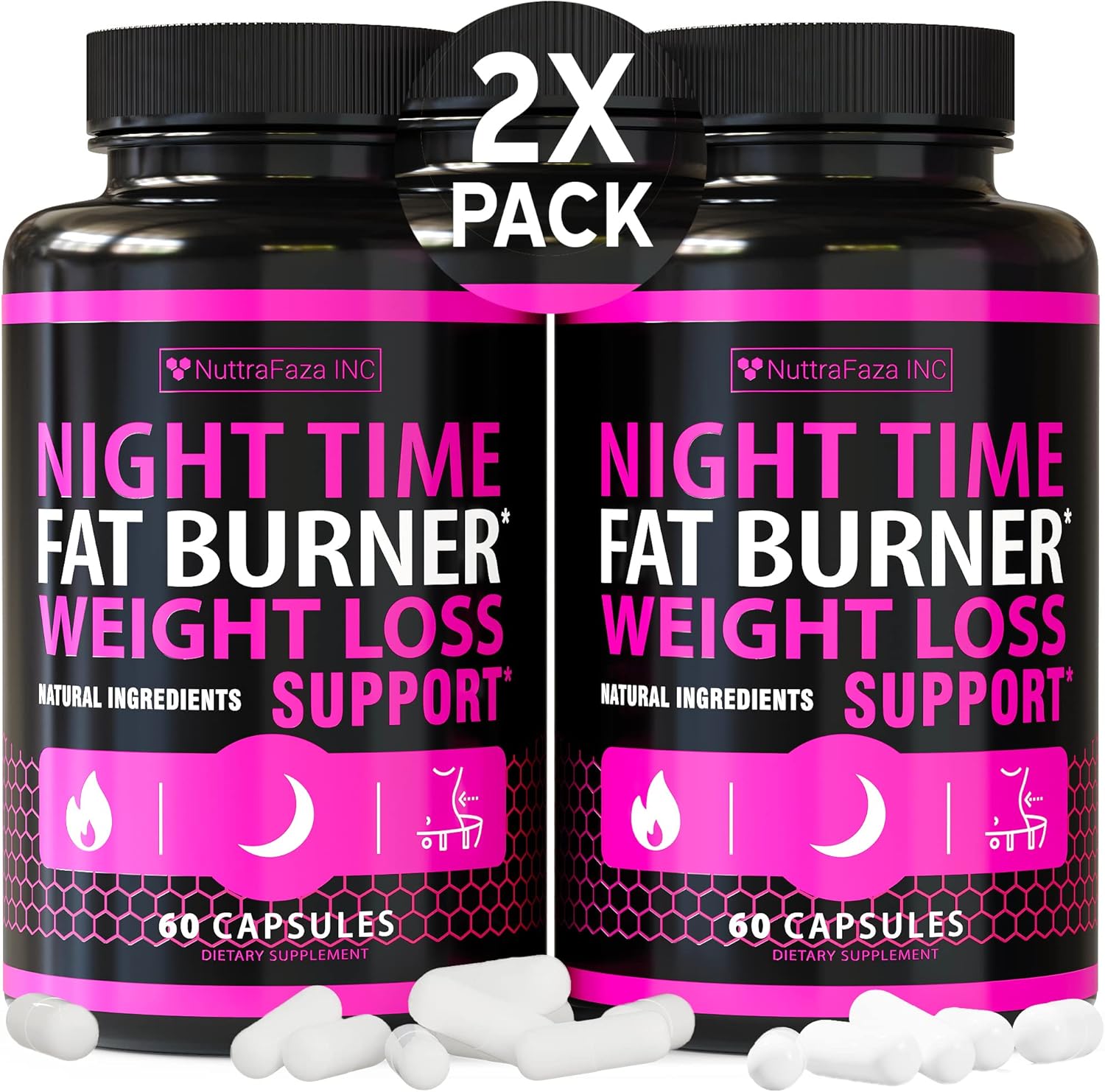
A thoughtfully crafted supplement that combines nature’s most trusted ingredients — Garcinia Cambogia, White Kidney Bean, Cayenne, and Melatonin — to help support weight goals while promoting calm and restful sleep.
- 🌿 Non-GMO
- 🇺🇸 Made in the USA
- 🌙 With Melatonin
Why waist circumference predicts metabolic risk better than BMI
Body Mass Index (BMI) is a useful population-level metric, but it fails to distinguish between muscle and fat, or where fat is stored. Two people with the same BMI can have dramatically different health outcomes depending on their waist size. A muscular athlete and a sedentary individual with central obesity may share a BMI of 28, yet their metabolic profiles are worlds apart.
Waist circumference captures the visceral fat burden — the fat that actively disrupts glucose and lipid metabolism. Studies show that waist size correlates more closely with insulin resistance, inflammatory markers (like C-reactive protein), and cardiovascular events than BMI alone. In fact, the INTERHEART study found that waist-to-hip ratio was a stronger predictor of heart attack risk than BMI across all populations.
- Insulin resistance: Visceral fat promotes hepatic insulin resistance, raising fasting glucose and increasing diabetes risk.
- Inflammation: Adipokines released from visceral fat fuel systemic low-grade inflammation.
- Lipid profile: Higher waist circumference is linked to elevated triglycerides and smaller, denser LDL particles.
- Blood pressure: Visceral adiposity is associated with salt sensitivity and endothelial dysfunction.
For these reasons, clinical guidelines recommend routine waist measurement alongside BMI. It’s a quick, cost-effective screening that can identify “metabolically obese” individuals — those with a healthy weight but high visceral fat — who might otherwise be overlooked.
With a unique blend including Garcinia Cambogia, White Kidney Bean, Cayenne, and Melatonin, it’s designed to help support weight goals while also promoting calm and restful sleep — because metabolic health thrives when you rest well.
- 🌱 Non-GMO
- 🏭 Made in the USA
- 💤 Melatonin for sleep
What your waist measurement is telling you
Taking your waist circumference is simple: place a tape measure around your bare abdomen, just above your hip bones, and breathe out normally. The number you get is a direct reflection of your visceral fat stores. Here’s what the evidence says:
- Low risk: Women < 31.5 inches (80 cm) · Men < 37 inches (94 cm)
- Moderate risk: Women 31.5–34.6 in (80–88 cm) · Men 37–40 in (94–102 cm)
- High risk: Women ≥ 35 in (88 cm) · Men ≥ 40 in (102 cm)
These thresholds are ethnicity-adjusted in some guidelines, but the core message is consistent: a waist that grows faster than your weight is a red flag. Even modest reductions in waist circumference — 2 to 4 cm — are associated with improved insulin sensitivity and lower inflammation markers.
Lifestyle interventions that combine aerobic exercise, resistance training, and dietary shifts (especially reducing refined carbohydrates and added sugars) are the most effective ways to shrink visceral fat. And because visceral fat is more metabolically responsive than subcutaneous fat, it often decreases earlier in a weight-loss journey — which is encouraging news for those who start seeing their waist shrink before the scale moves much.
Combining Garcinia Cambogia, White Kidney Bean, Cayenne, and Melatonin, this formula is designed to support metabolism, appetite control, and nighttime relaxation — all in one thoughtful supplement.
- ✨ Non-GMO
- 🇺🇸 Made in the USA
- 🌿 Natural ingredients
Frequently Asked Questions
This article is for informational purposes only and does not constitute medical advice. Always consult a healthcare professional before starting any supplement or making significant lifestyle changes.
The product link is an affiliate link; we may earn a small commission at no extra cost to you.
📏 Waist & Metabolic Health
Understand why your waist measurement matters — and see where you stand.
Waist circumference isn’t just about appearance — it’s a powerful predictor of visceral fat, the fat stored deep inside your abdomen around your vital organs.
Visceral fat & inflammation
Visceral fat releases inflammatory cytokines that can lead to insulin resistance, type 2 diabetes, and heart disease.
Better than BMI alone
BMI doesn’t distinguish fat from muscle or show where fat is stored. Waist circumference directly measures central adiposity.
Linked to metabolic syndrome
Excess waist circumference is a key criterion for metabolic syndrome — a cluster of conditions that raise cardiovascular risk.
Early warning signal
Measuring your waist can detect health risks years before blood pressure or cholesterol become abnormal.
Enter your measurements below to assess your metabolic risk based on international guidelines.
The table below shows the waist circumference cut‑offs used by the International Diabetes Federation (IDF) and ATP III guidelines.
| Population | Gender | Low risk | Increased risk | High risk |
|---|---|---|---|---|
| Europid / Caucasian | Male | < 94 cm (< 37″) | 94 – 102 cm (37–40″) | ≥ 102 cm (≥ 40″) |
| Europid / Caucasian | Female | < 80 cm (< 31.5″) | 80 – 88 cm (31.5–35″) | ≥ 88 cm (≥ 35″) |
| South Asian / Chinese / Japanese | Male | < 90 cm (< 35.5″) | 90 – 102 cm (35.5–40″) | ≥ 102 cm (≥ 40″) |
| South Asian / Chinese / Japanese | Female | < 80 cm (< 31.5″) | 80 – 88 cm (31.5–35″) | ≥ 88 cm (≥ 35″) |
Note: For other ethnicities, the Europid thresholds are commonly used as a conservative reference. Always consult your healthcare provider for personalized advice.