 ratminers.in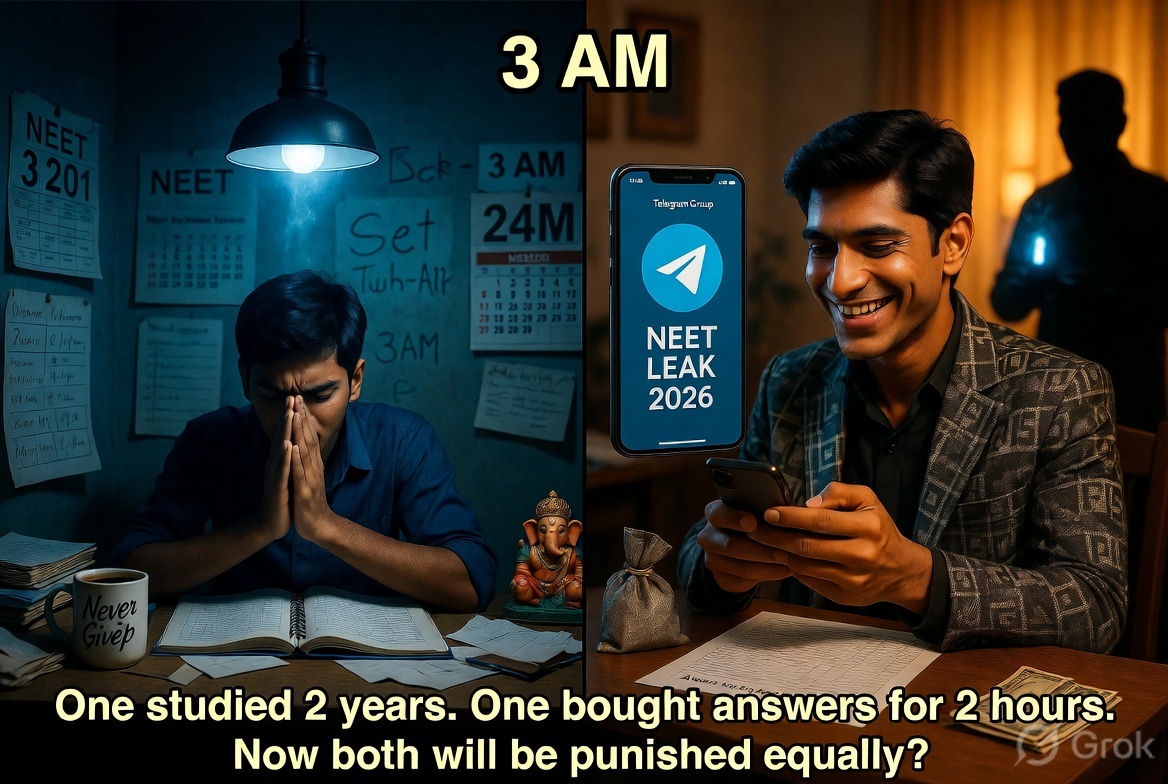
The numbers are staggering. Nearly 22 lakh students (2.2 million) appeared for NEET 2026. They spent months—sometimes years—sacrificing sleep, friendships, hobbies, and mental peace. They attended coaching classes at 6 AM. They memorized thousands of reactions, diagrams, and formulas. They gave up birthdays, festivals, and family time.
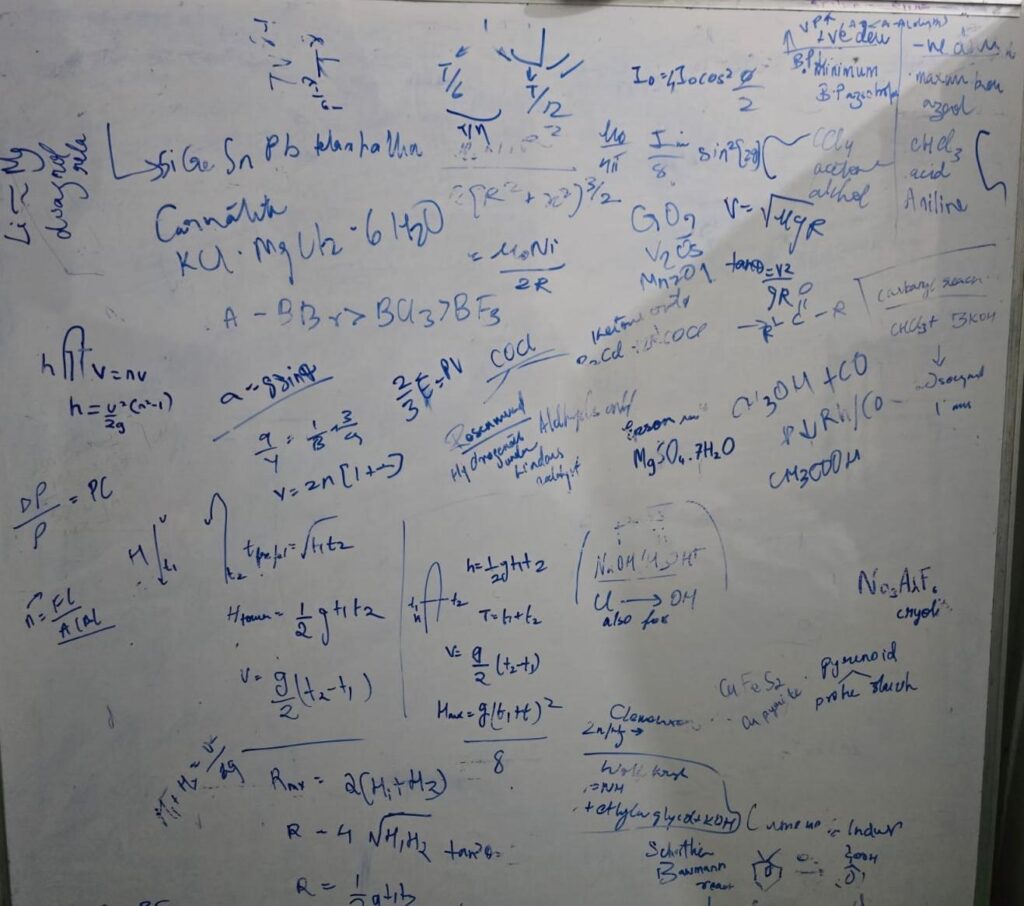
And then, a few thousand students—perhaps a few tens of thousands—walked into the exam hall with a cheat sheet hidden somewhere. A leaked paper. A pre-solved answer key. A Bluetooth device. An unfair advantage that no amount of hard work could match.
The result? The entire examination system is now under suspicion. The hardworking majority is being punished for the sins of a tiny, dishonest minority. And the saddest part is that many innocent students are considering giving up—on medicine, on their dreams, on the years of sacrifice they poured into this single exam.
But here is the truth: It is not too late. Government intervention—using technology, changing mindsets, and implementing systemic safeguards—can still save NEET 2026 and protect the futures of 22 lakh genuine aspirants.
The Scale of the Tragedy: 22 Lakh vs. A Few Thousand
Let us do the math. Approximately 22 lakh students wrote NEET 2026 across thousands of centers in India and abroad. Of these, even if 50,000 students had access to unfair means—which is an extremely high estimate—that still leaves 21.5 lakh students who prepared honestly.
That means over 97% of students are innocent. They followed the rules. They studied day and night. They trusted the system.
But what happens when a paper leak or mass cheating is exposed? The entire exam is questioned. Rank lists are delayed. Counseling is postponed. And worst of all, the honest students begin to doubt whether their effort was worth anything.
“Why did I study so hard when someone else just paid for the answers?”
“Maybe I should have looked for shortcuts too.”
“What is the point of being honest?”
These are dangerous thoughts. They erode the very foundation of meritocracy. And if the government does not act decisively now, the NEET 2027 cycle will see even more students tempted to cheat—not because they want to, but because they feel the system forces them to.
What Went Wrong? The Technology Gap
The primary reason cheating persists in high-stakes exams like NEET is a technology gap. Exam conducting bodies often rely on outdated security measures while cheaters use modern tools.
The Cheater’s Toolkit (2026 Edition)
- Micro Bluetooth devices smaller than a rice grain, hidden in ear canals
- Smartwatches and modified calculators with stored data
- Leaked paper shared via Telegram or WhatsApp hours before the exam
- Proxy test-takers with fake IDs and biometric spoofing
- Answer key sellers who operate from foreign countries to avoid arrest
The Current Security Reality
Most exam centers still use:
- Basic metal detectors that cannot catch nano devices
- Manual ID verification that can be fooled by lookalikes
- CCTV cameras that are often not monitored in real time
- Question paper transport via ordinary courier services
This is not a fair fight. The cheaters have invested in technology. The exam system has not kept pace.
The Solution: Government Intervention Using Technology
The good news is that solutions exist. The government has the resources. What is needed is the political will and urgent implementation before NEET 2027.
1. AI-Based Remote Proctoring for All Centers
Instead of relying on human invigilators alone, the government should deploy AI-powered surveillance in every exam hall.
How it works:
- Cameras record every student’s eye movement, hand position, and screen (for computer-based tests)
- AI algorithms detect suspicious behavior: repeated glances at a particular direction, mouthing words, hidden earpieces
- Live alerts are sent to a central control room where human supervisors can zoom in
Cost: High upfront, but cheaper than cancelling an entire exam and conducting a retest for 22 lakh students.
2. Blockchain-Based Question Paper Delivery
The single biggest vulnerability is the transport of question papers from printing presses to exam centers. This is where leaks happen.
Solution: Use blockchain technology to deliver encrypted question papers digitally. Each paper is unlocked at the exact exam start time using a unique key that only the center administrator has. No physical transport. No human middlemen.
3. Biometric Verification at Every Entry
Fingerprint and facial recognition at every exam center gate. No exceptions. This eliminates proxy candidates.
Add a second layer: Iris scanning for high-risk centers. It costs more, but it is worth it for the integrity of the exam.
4. Post-Exam Forensic Analysis
After the exam, use statistical forensics to identify cheating. Look for:
- Unusual answer patterns (identical wrong answers, identical sequencing of correct answers)
- Students who scored dramatically higher than their mock test average
- Centers where the average score is statistically impossible compared to national trends
These students can be called for a voice-based re-test or interview. If they cannot answer basic questions about their own answer sheet, they are disqualified.
5. A National Digital Identity for Exam Takers
Create a secure digital ID linked to Aadhaar, but with additional layers: a student’s photo, handwriting sample, and voice sample registered six months before the exam. On exam day, a quick AI comparison ensures the person sitting is the person who registered.
The Mindset Change: Protecting Innocent Students, Not Punishing Everyone
Right now, when a paper leak happens, the default government response is: Cancel the exam. Conduct a retest.
But cancelling an exam punishes the innocent more than the guilty. The cheaters already know they might get caught. They have backup plans. But the innocent student—the one who studied for two years, who took loans for coaching, who skipped family weddings—that student suffers the most.
A Better Approach: Isolate the Guilty, Protect the Majority
Instead of cancelling the entire exam, the government should:
- Identify the affected centers using forensic analysis.
- Investigate only those centers where cheating is confirmed.
- Allow the remaining 90% of students to keep their scores.
- Offer a retest option only to students from compromised centers who want a fair chance.
This sends a clear message: We will not let a few cheaters destroy the dreams of millions.
The Role of Mindset: From “Everyone Cheats” to “Integrity Matters”
India has a cultural problem. Many students, parents, and even some coaching institutes believe that cheating is “normal” because “everyone does it.” This mindset is the real enemy.
The government must launch a nationwide integrity campaign targeting students, parents, and teachers.
What the Campaign Should Say:
- To students: “Your hard work is visible. Your honesty is respected. One cheater taking your seat does not erase your capability. There will be more exams, more opportunities. Do not lose yourself.”
- To parents: “Do not buy leaked papers for your child. You are not helping them; you are teaching them that success without effort is acceptable. That lesson will ruin their life more than any exam failure.”
- To coaching institutes: “If we find you involved in leaking papers or providing unfair means, your institute will be permanently blacklisted. No warnings.”
A Call to Action for NEET 2026: It Is Not Too Late
As of today, NEET 2026 results may not yet be finalized. Counseling may not have begun. The government still has time to:
- Announce a forensic audit of answer sheets using AI tools.
- Identify suspicious answer patterns and flag those candidates for re-testing.
- Reassure honest students that their scores will be protected.
- Publish a transparent report on how many candidates were caught and what action was taken.
Even if the exam has already been conducted, intervention is still possible. Do not let the guilt of a few thousand destroy the trust of 22 lakh.
To the 21.5 Lakh Innocent Students: Do Not Give Up
If you are reading this and you prepared honestly for NEET 2026, hear this clearly:
You are the majority. You are the future of Indian medicine. The cheaters may get away this time—but they will not survive medical school. They will not survive the practical exams, the patient interactions, the ethical dilemmas of being a doctor.
Cheating gets you a seat. It does not make you a healer.
Your hard work—the sleepless nights, the tears over failed mock tests, the sacrifice of your teenage years—that is what will make you a great doctor. That cannot be stolen by anyone.
The government must act. Technology must be deployed. Mindsets must change. But until then, hold on. Your dream is still alive. And it is worth fighting for.
Summary for Policymakers:
| Problem | Solution | Timeline |
|---|---|---|
| Paper leaks during transport | Blockchain-based digital delivery | Implement by NEET 2027 |
| Hidden Bluetooth devices | AI live proctoring + advanced metal detection | Pilot in 6 months |
| Proxy candidates | Biometric (fingerprint + iris) at all centers | Roll out in 1 year |
| Suspicious answer patterns | Post-exam statistical forensics | Start immediately for NEET 2026 |
| Cultural acceptance of cheating | Nationwide integrity campaign for students/parents | Launch before NEET 2027 |
The clock is ticking. But it is not too late. Save the innocent. Protect the future. Intervene now.
Disclaimer: This article is based on publicly reported trends in examination irregularities and proposes systemic solutions. All statistics (22 lakh candidates, etc.) are approximate and used for illustrative purposes. Actual numbers may vary by year and examination cycle.