 ratminers.in
In 2026, semaglutide stands as a cornerstone of modern obesity treatment. As a GLP-1 receptor agonist (marketed as Wegovy for weight management and Ozempic for type 2 diabetes), it has redefined expectations for safe, clinically meaningful, and sustained weight loss. What began as a diabetes medication has evolved into a powerful tool for obesity, backed by robust clinical trials, real-world evidence, and expanding formulations—including the recent arrival of an oral pill version.
GLP-1 Weight Loss Breakthrough
Complete FAQ Guide – 100 Questions Answered (March 2026 Edition) | IntelliNewz – Hyderabad-Friendly Insights
1. What is GLP-1 and how does it work for weight loss?
2. What does GLP-1 stand for?
3. How do GLP-1 receptor agonists help reduce appetite?
4. Why are GLP-1 medications considered a breakthrough?
5. Are GLP-1 drugs approved for obesity?
6. What makes GLP-1 medications different from diet pills?
7. Are GLP-1 drugs hormones?
8. Do GLP-1 medications affect metabolism?
9. How do they impact insulin levels?
10. Are these medications safe for long-term use?
11. What is semaglutide?
12. How does tirzepatide work?
13. Is Wegovy different from Ozempic?
14. What is Mounjaro used for?
15. Are there triple-agonist weight loss drugs available yet?
16. Which GLP-1 medication causes the most weight loss?
17. Are generic GLP-1 medications available?
18. What is the difference between injectable and oral GLP-1 drugs?
19. Is oral semaglutide effective for weight loss?
20. How often are GLP-1 injections given?
21. Who qualifies for GLP-1 weight loss medication?
22. Can someone with a BMI under 27 use GLP-1 drugs?
23. Are GLP-1 medications only for people with diabetes?
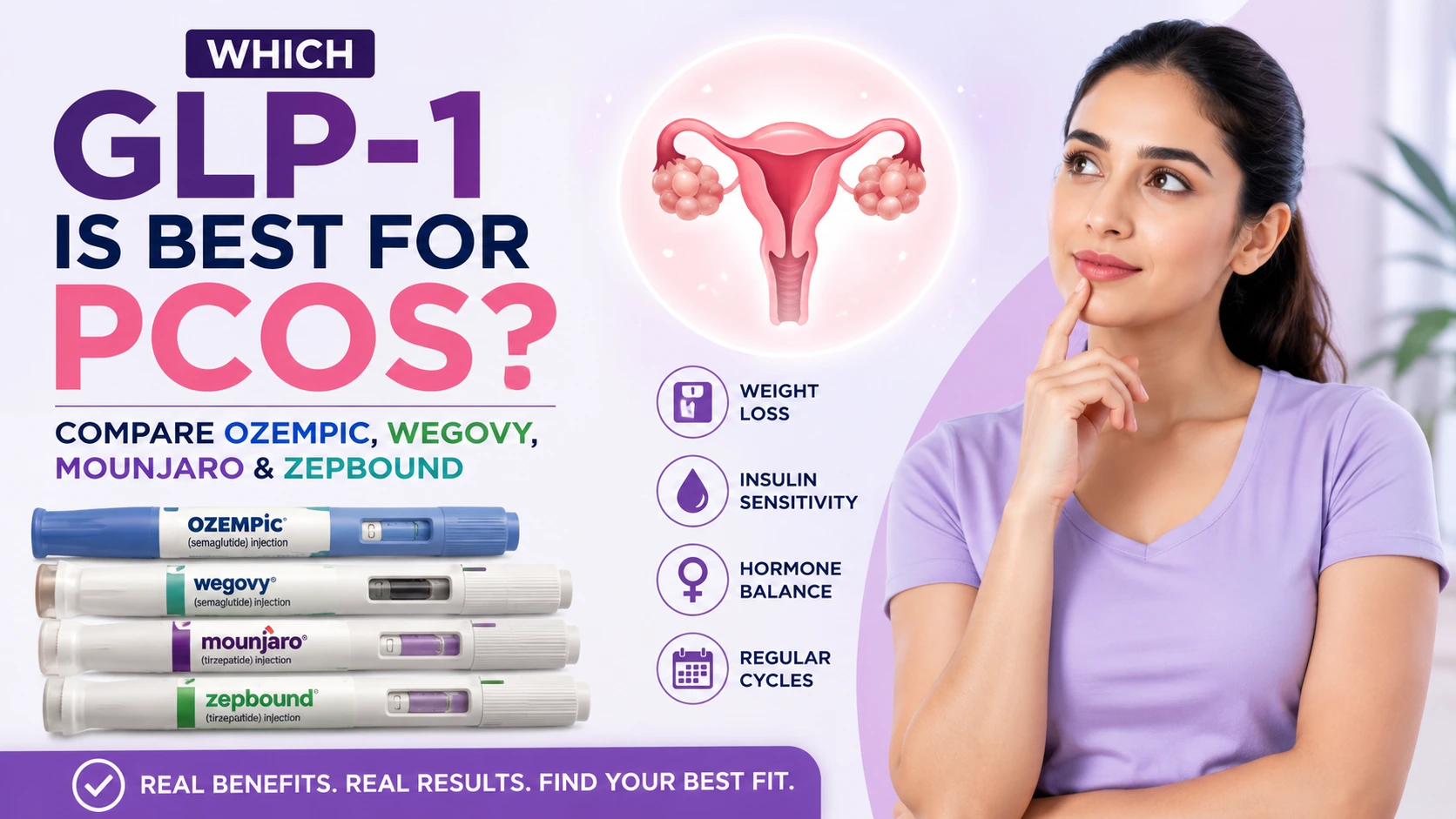
24. Can people with PCOS use GLP-1 therapy?
25. Are GLP-1 drugs safe for seniors?
26. Can teenagers use GLP-1 medications?
27. Are they safe during menopause?
28. Can someone with thyroid disease take GLP-1?
29. Who should NOT take GLP-1 medications?
30. Is a prescription required?
31. How much weight can you lose on GLP-1 drugs?
32. How fast does weight loss begin?
33. Is weight loss sustained long term?
34. What percentage of body weight is typically lost?
35. Does the weight come back after stopping?
36. Are results better than bariatric surgery?
37. How long should treatment continue?
38. Do GLP-1 drugs reduce belly fat?
39. Do they improve metabolic health markers?
40. Can they reverse insulin resistance?
41. What are the most common side effects?
42. Why do GLP-1 drugs cause nausea?
43. How long does nausea last?
44. Can they cause vomiting?
45. Do GLP-1 medications cause hair loss?
46. Can they lead to muscle loss?
47. Are gallbladder issues common?
48. Do GLP-1 drugs increase pancreatitis risk?
49. What is the thyroid cancer warning about?
50. Are there long-term safety concerns?
51. Are GLP-1 drugs FDA approved for weight loss?
52. What warnings do they carry?
53. Can they cause low blood sugar?
54. Are they safe with blood pressure medication?
55. Can they affect heart rate?
56. Are they safe for people with heart disease?
57. What lab tests are needed before starting?
58. How often should monitoring occur?
59. Can they be used with other weight loss drugs?
60. What happens in case of overdose?
61. How much do GLP-1 medications cost?
62. Does insurance cover them?
63. Are they covered for obesity without diabetes?
64. Can they be compounded?
65. Are compounded versions safe?
66. How are injections administered?
67. Do they need refrigeration?
68. What happens if you miss a dose?
69. Can you travel with GLP-1 injections?
70. Do they interact with alcohol?
71. Do you still need to diet while on GLP-1?
72. Is exercise required?
73. What diet works best with GLP-1 therapy?
74. Do they reduce cravings?
75. Can you eat normally?
76. Do they affect taste preferences?
77. Can you build muscle while using them?
78. Should protein intake be increased?
79. Do they help emotional eating?
80. Can they improve sleep apnea?
81. What happens when you stop GLP-1 medication?
82. Is maintenance dosing required?
83. Can dosage be reduced after goal weight?
84. Do hunger levels return?
85. Is tapering necessary?
86. Can you restart after stopping?
87. Are there withdrawal symptoms?
88. Do they slow metabolism long term?
89. Is lifelong treatment recommended?
90. What do experts recommend in 2026?
91. Are GLP-1 drugs just a trend?
92. Are celebrities using GLP-1 secretly?
93. Is this “cheating” weight loss?
94. Do they cause facial aging (“Ozempic face”)?
95. Can they cause depression?
96. Are they addictive?
97. Do they shrink your stomach?
98. Are they safe for athletes?
99. Is rapid weight loss dangerous?
100. Are GLP-1 medications truly the future of obesity treatment?
If considering semaglutide, consult a healthcare provider to evaluate fit, monitor progress, and address side effects. In 2026, this GLP-1 therapy continues proving that targeted medical intervention, paired with lifestyle, can deliver transformative, evidence-based weight loss.
Semaglutide mimics the natural hormone GLP-1, which regulates appetite, slows gastric emptying, and enhances insulin sensitivity. This leads to reduced hunger, smaller portion sizes, and improved metabolic control. Unlike older weight-loss drugs, semaglutide targets brain and gut pathways for more natural-feeling satiety.
Impressive Weight Loss Outcomes
Clinical trials like STEP consistently show average weight reductions of 15% over 68 weeks with the injectable form (typically 2.4 mg weekly), equating to about 35 lb (16 kg) from a starting weight of around 232 lb. In some analyses, higher doses like the newer 7.2 mg option push efficacy further while maintaining a comparable safety profile.
The breakthrough extends to cardiovascular protection. The landmark SELECT trial (in people with overweight/obesity and established cardiovascular disease but no diabetes) demonstrated a 20% reduction in major adverse cardiovascular events (cardiovascular death, nonfatal heart attack, or stroke) over about 40 months. Benefits appear early—sometimes within months—and persist, with lower serious adverse events overall compared to placebo. Long-term follow-up reinforces these gains, including sustained improvements in waist circumference and other cardiometabolic markers.
Real-world data in 2026 confirm these results: many users report substantial appetite suppression, cravings reduction, and weight loss, with satisfaction driven primarily by visible progress despite common side effects.
The Oral Revolution: Wegovy Pill in 2026
A major 2026 advancement is the FDA-approved oral semaglutide (Wegovy pill, typically 25 mg daily). Launched after late-2025 approval, it offers needle-free convenience. Trials show average losses of 14% (about 33 lb from ~235 lb starting weight) over 64 weeks, with some reports indicating over 16% in adherent users—closely approaching injectable results.
While slightly less potent than injections in head-to-head comparisons (and with administration rules like taking on an empty stomach), the pill broadens access and improves adherence for those averse to injections. Emerging competitors like orforglipron show promise in outperforming oral semaglutide in certain trials, but semaglutide remains the benchmark with proven long-term data.
Safety Profile: Well-Established and Manageable
Semaglutide’s safety is supported by years of use. Common side effects are gastrointestinal—nausea, vomiting, diarrhea, constipation—typically mild to moderate, peaking early and improving over time. Most users tolerate them when weight loss benefits outweigh discomfort.
Rare serious risks include pancreatitis, gallbladder issues, or thyroid concerns (from animal studies), but large trials like SELECT show no increased overall serious events and even fewer in some categories. Long-term data indicate durability without new major signals emerging in 2026.
The Key to Lasting Results: Maintenance and Realism
Semaglutide delivers lasting results when used continuously. Discontinuation often leads to regain—real-world and meta-analyses show average rates of 0.4–0.8 kg per month, with many returning to baseline within 1.5–2 years. Newer incretins like semaglutide see faster regain (around 0.8 kg/month) than traditional diets, emphasizing long-term therapy for sustained benefits.
However, not everyone regains fully: some real-world cohorts show stable or continued loss post-discontinuation, possibly tied to lifestyle habits like exercise counseling. Best outcomes combine semaglutide with diet, physical activity, and behavioral support—turning pharmacological aid into holistic change.
Looking Ahead in 2026
Semaglutide’s impact is profound: from surging use (hundreds of percent growth in recent years) to proven heart protection and now oral convenience. It isn’t a “cure”—obesity management requires ongoing effort—but it represents a safe, effective breakthrough for millions.
Disclaimer:
The information published on ratminers.in is for educational and informational purposes only. It is not intended to replace professional medical advice, diagnosis, or treatment. Always consult a qualified healthcare provider before starting or changing any medication, including GLP-1 weight loss therapies.