 ratminers.in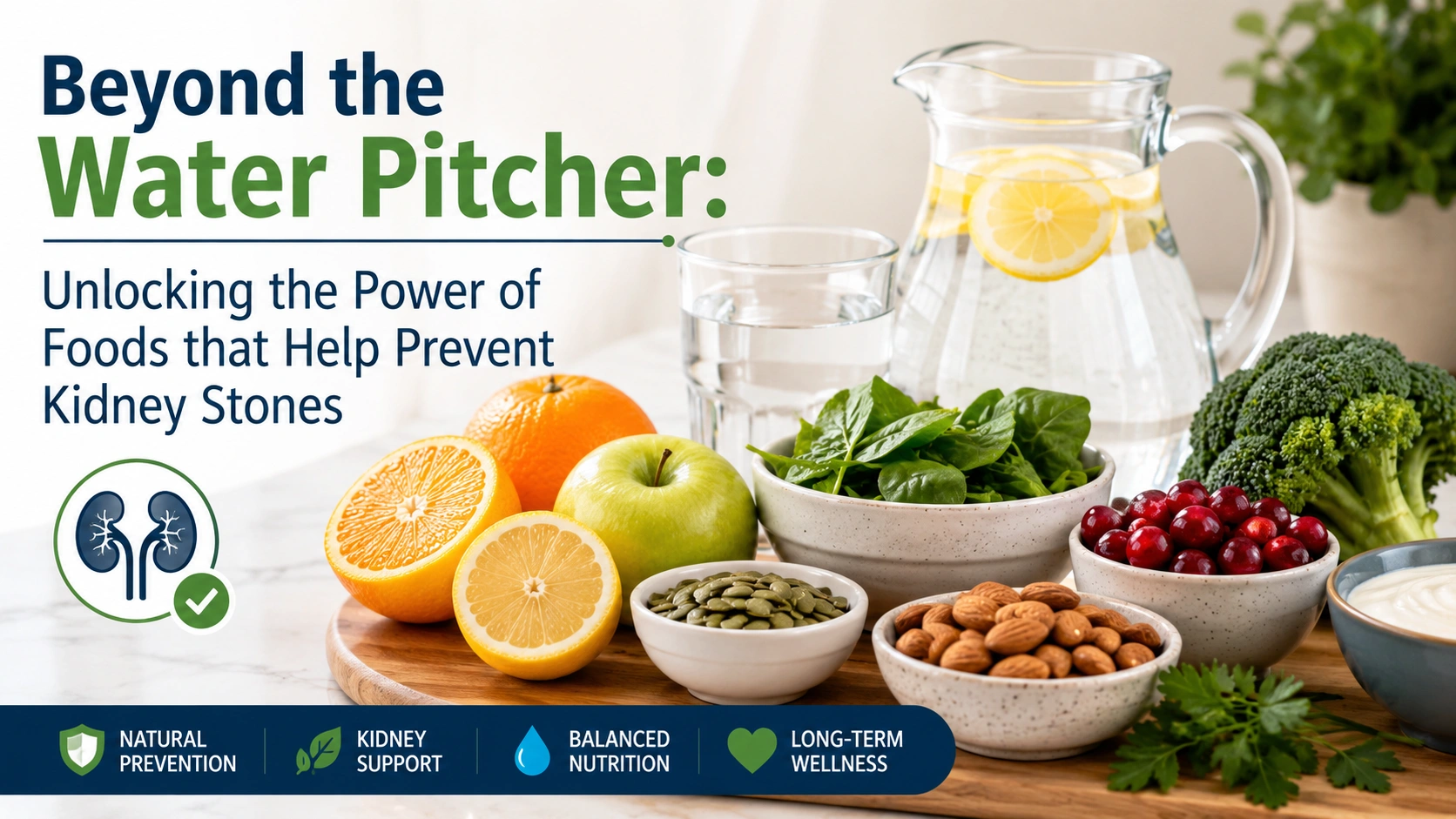
If you have ever experienced the sharp, unforgiving pain of a kidney stone, you likely want to do everything possible to avoid a repeat performance. For years, the standard medical advice has been simple: drink more water. While hydration remains the cornerstone of prevention, emerging nutritional science reveals a more proactive strategy. The secret lies not just in what you avoid (like spinach and soda), but in the specific Foods that Help Prevent Kidney Stones by actively changing the chemistry of your urine.
Approximately 80% of kidney stones are composed of calcium oxalate. For a long time, doctors told patients to cut back on calcium. That turned out to be a mistake. In fact, dietary calcium is one of the most powerful defenders you can eat. When you consume calcium-rich foods with a meal containing oxalate, the calcium binds to the oxalate in your stomach and intestines before it ever reaches your kidneys. Instead of forming a crystal in the urinary tract, the compound exits harmlessly through your stool. Here are the top foods to add to your grocery list today.
1. Calcium-Rich Foods (Yes, Really!)
Don’t avoid dairy; embrace it wisely. Milk, yogurt, and hard cheeses are excellent sources of dietary calcium. Aim for two to three servings daily. The key is timing: always pair dairy with high-oxalate foods like nuts, wheat bran, or berries. Low-fat milk in your morning coffee or a side of cottage cheese with lunch can dramatically lower your stone risk.
2. Citrus Fruits: Nature’s Inhibitors
While cranberry juice was once a folk remedy for urinary issues, it is actually high in oxalate and may increase stone risk for some people. Instead, reach for lemons, limes, and oranges. These fruits are rich in citrate, a natural chemical that binds with calcium in the urine and prevents crystals from sticking together. Simply squeezing fresh lemon juice into a glass of water creates a potent stone-preventing beverage.
3. The Power of Beans and Lentils
Plant-based proteins are a boon for stone formers. Unlike animal protein (beef, pork, poultry), which increases urinary calcium and uric acid while decreasing citrate, legumes like chickpeas, black beans, and lentils are high in magnesium and fiber. Magnesium competes with oxalate for binding sites in the gut, effectively “stealing” oxalate so it can’t be absorbed into the bloodstream.
4. Root Vegetables (But Pick the Right Ones)
Potatoes and sweet potatoes are extremely high in oxalate and are generally not recommended for high-risk individuals. However, other root vegetables are star players. Celery, parsnips, and radishes have high water content and are rich in potassium, which helps reduce calcium excretion in the urine.
5. Melons and Bananas
For those who struggle to drink enough water, water-rich fruits are a delicious loophole. Cantaloupe and honeydew are over 90% water, but their real benefit is potassium. Bananas are one of the best sources of potassium, a mineral that helps maintain proper pH balance in the urine, making it harder for stones to form.
The Golden Rule: The “Calcium Shield” Technique
The most practical takeaway regarding Foods that Help Prevent Kidney Stones is the “Calcium Shield” technique. If you enjoy a spinach salad (high oxalate) or a handful of almonds (very high oxalate), always eat them at the same time as a calcium source. For example:
- Add feta cheese to your spinach salad.
- Dip almonds in yogurt.
- Drink milk when eating bran flakes.
What to Avoid (The Empty Calories)
While focusing on prevention foods, remember that table salt (sodium) is a silent enemy. High sodium forces your kidneys to excrete more calcium into the urine. Avoid processed meats, canned soups, and fast food. Additionally, while sugary sodas are bad, oxalate-laden teas (black tea) and chocolate milk should be consumed in moderation.
The Bottom Line
You do not need a complicated, restrictive diet to stop kidney stones. You need a strategy of combination. By consistently eating calcium with oxalate, staying hydrated with citrus-infused water, and choosing plant proteins over animal proteins, you change your body from a stone factory into a stone-free zone. Consult your doctor or a urologist before making drastic changes, but for most people, these simple dietary shifts offer a pain-free path forward.
Disclaimer: This article is for informational purposes only and does not constitute medical advice. If you have a history of kidney stones, consult a healthcare provider for a personalized diet plan based on the specific type of stone you form.