 ratminers.in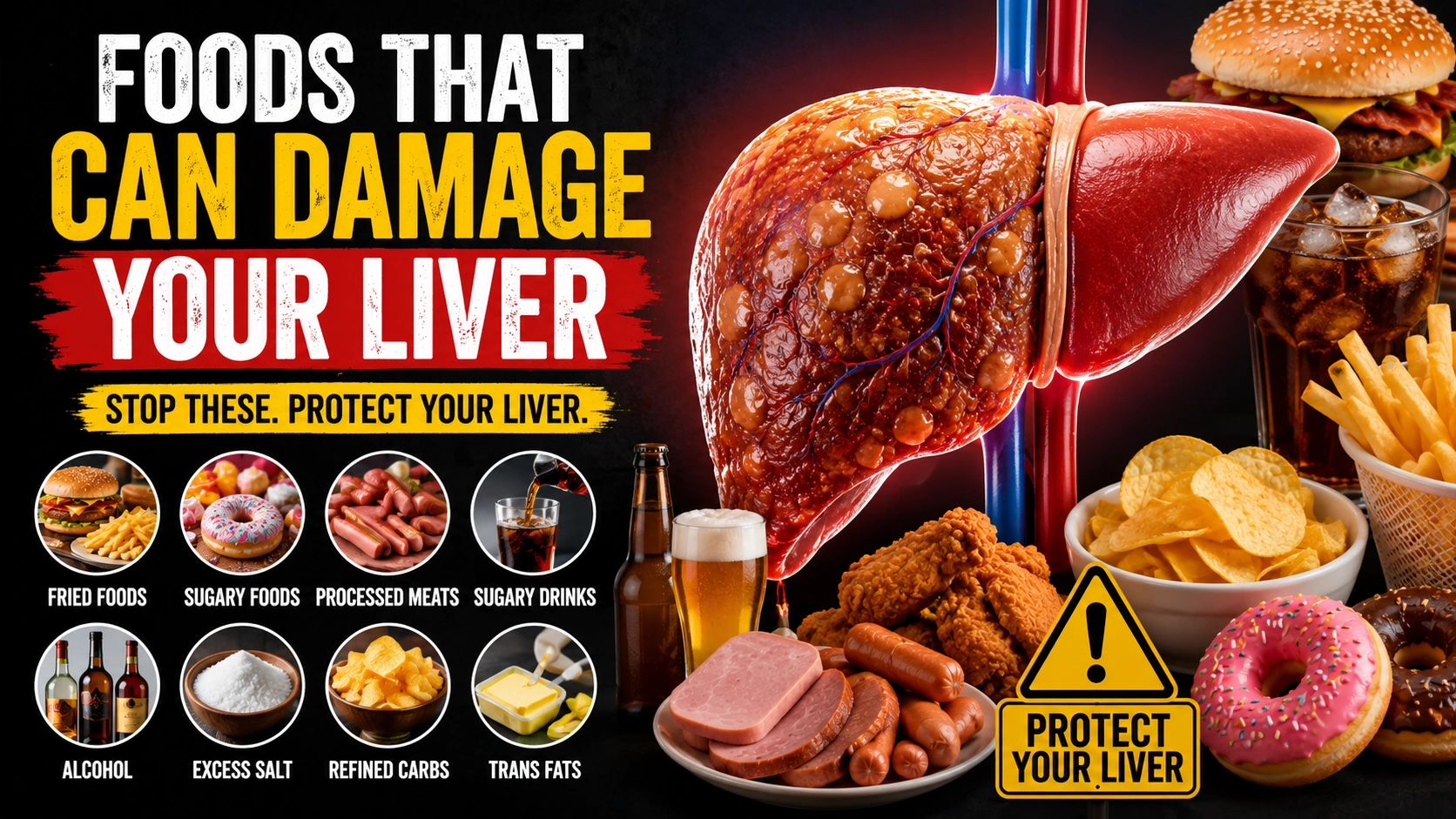
Your liver is a biological marvel. It performs over 500 vital functions, including filtering toxins, metabolizing fats, producing cholesterol, and regulating blood sugar. Unlike a heart attack or a stomach ache, liver damage is a silent process. You can lose up to 70% of your liver function before you show the first symptom, such as jaundice or fluid retention.
While alcohol is the most famous liver enemy, it is far from the only one. In fact, your daily diet might be doing slow, invisible damage that leads to Non-Alcoholic Fatty Liver Disease (NAFLD)—a condition now affecting 1 in 4 adults globally. So, what is the food that can damage your liver? Let’s look at the evidence.
1. Sugary Soft Drinks and Soda
This is arguably the most dangerous food that can damage your liver—despite technically being a liquid. Soda is loaded with high-fructose corn syrup. Unlike glucose, which every cell in your body can use, fructose is metabolized almost exclusively by the liver. When you consume too much, the liver converts the excess into fat.
The consequence: Hepatic steatosis (fatty liver). Studies show that drinking just one sugary soda per day increases your risk of developing NAFLD by 45%.
2. Processed Baked Goods (Pastries, Donuts, and White Bread)
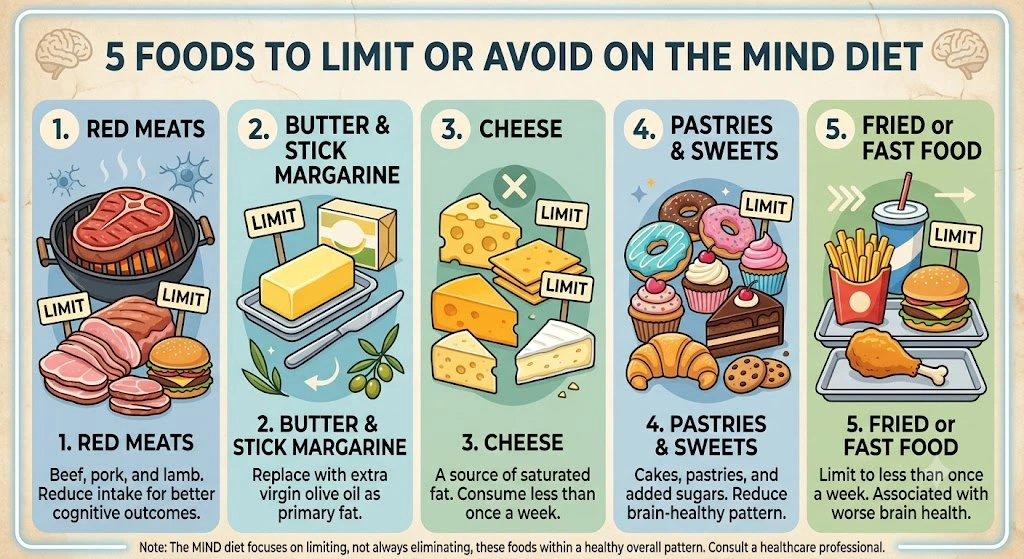
Not all fats are created equal. Processed baked goods are typically made with hydrogenated oils (trans fats) or palm oil, combined with refined white flour and sugar. Trans fats are particularly lethal because they trigger inflammation inside the liver while simultaneously raising “bad” LDL cholesterol.
Example: A commercially packaged blueberry muffin often contains the same amount of inflammatory fat and sugar as a slice of cake. Regular consumption forces the liver into a state of oxidative stress, accelerating fibrosis (scarring).
3. Red Meat and Processed Meats (Bacon, Sausage, Deli Meat)
Red meat is high in saturated fat and heme iron, both of which, in excess, stress the liver. Processed meats—think salami, pepperoni, bacon, and hot dogs—are worse due to their high sodium and chemical preservatives (nitrates). These compounds produce advanced glycation end-products (AGEs), which are inflammatory toxins the liver must work overtime to remove.
Clinical note: A study in the Journal of Hepatology found that high consumption of processed meat is associated with a 47% increased risk of developing insulin resistance, a direct precursor to fatty liver disease.
4. Fried Foods (French Fries, Fried Chicken, Tempura)
When vegetable oils (canola, soybean, sunflower) are heated to high temperatures for frying, they produce trans-fatty acids and lipid peroxides. These compounds are directly toxic to hepatocytes (liver cells). Furthermore, fried foods are calorie-dense and low in fiber, promoting obesity—the number one risk factor for liver disease.
Example: A large serving of fast-food French fries can contain as many inflammatory fats as a full meal, forcing the liver to prioritize detoxing these fats over other metabolic duties.
5. Artificial Sweeteners (Aspartame and Sucralose)
Ironically, “diet” foods can also hurt the liver. While they don’t contain sugar, artificial sweeteners disrupt the gut microbiome (dysbiosis). Since the liver receives 70% of its blood supply from the intestines, a damaged gut lining allows bacterial toxins (endotoxins) to leak into the liver, triggering non-alcoholic steatohepatitis (NASH)—the aggressive form of fatty liver.
Example: Studies on long-term aspartame consumption show increased levels of alkaline phosphatase (ALP) and ALT, both biomarkers of liver stress and damage.
6. High-Salt Foods and Pickled Vegetables
While salt doesn’t directly cause fatty liver, excessive sodium intake leads to fibrosis (scarring) in livers that are already compromised. Pickled foods (kimchi, sauerkraut, traditional pickles) often contain nitrosamines, which are potent carcinogens that require liver detoxification. For a healthy liver, this is fine; for a fatty or inflamed liver, it is an unnecessary burden.
7. Raw or Undercooked Shellfish (Clams, Oysters, Mussels)
This is one of the most specific foods that can damage your liver. Raw shellfish can contain the bacterium Vibrio vulnificus or Hepatitis A virus. For a healthy person, this causes a few days of vomiting. For someone with existing liver disease (cirrhosis or hemochromatosis), Vibrio infection has a 50% mortality rate because the liver cannot filter these pathogens effectively.
The “Safe Zone”: What Protects the Liver?
To reverse or prevent damage, focus on:
- Coffee: Multiple studies show 2-3 cups daily reduce liver fibrosis and lower liver enzyme levels.
- Cruciferous Vegetables: Broccoli, Brussels sprouts, and kale boost liver detoxification enzymes.
- Oily Fish: Salmon and mackerel provide omega-3s, which reduce liver fat accumulation.
Final Verdict
When someone asks, “What is the food that can damage your liver?” the answer is rarely just one item. It is a pattern of eating: high sugar, high processed fat, low fiber. Your liver has a remarkable ability to regenerate. However, constant assault from soda, processed meats, and fried foods eventually turns a soft, resilient organ into a hard, scarred one.
If you are experiencing fatigue, upper right abdominal pain, or yellowish eyes, see a doctor. In the meantime, put down the soda and pick up a salad. Your liver will thank you.
Disclaimer: This article is for informational purposes only and does not constitute medical advice. Always consult a hepatologist or physician before making major dietary changes, especially if you have diagnosed liver disease.