 ratminers.in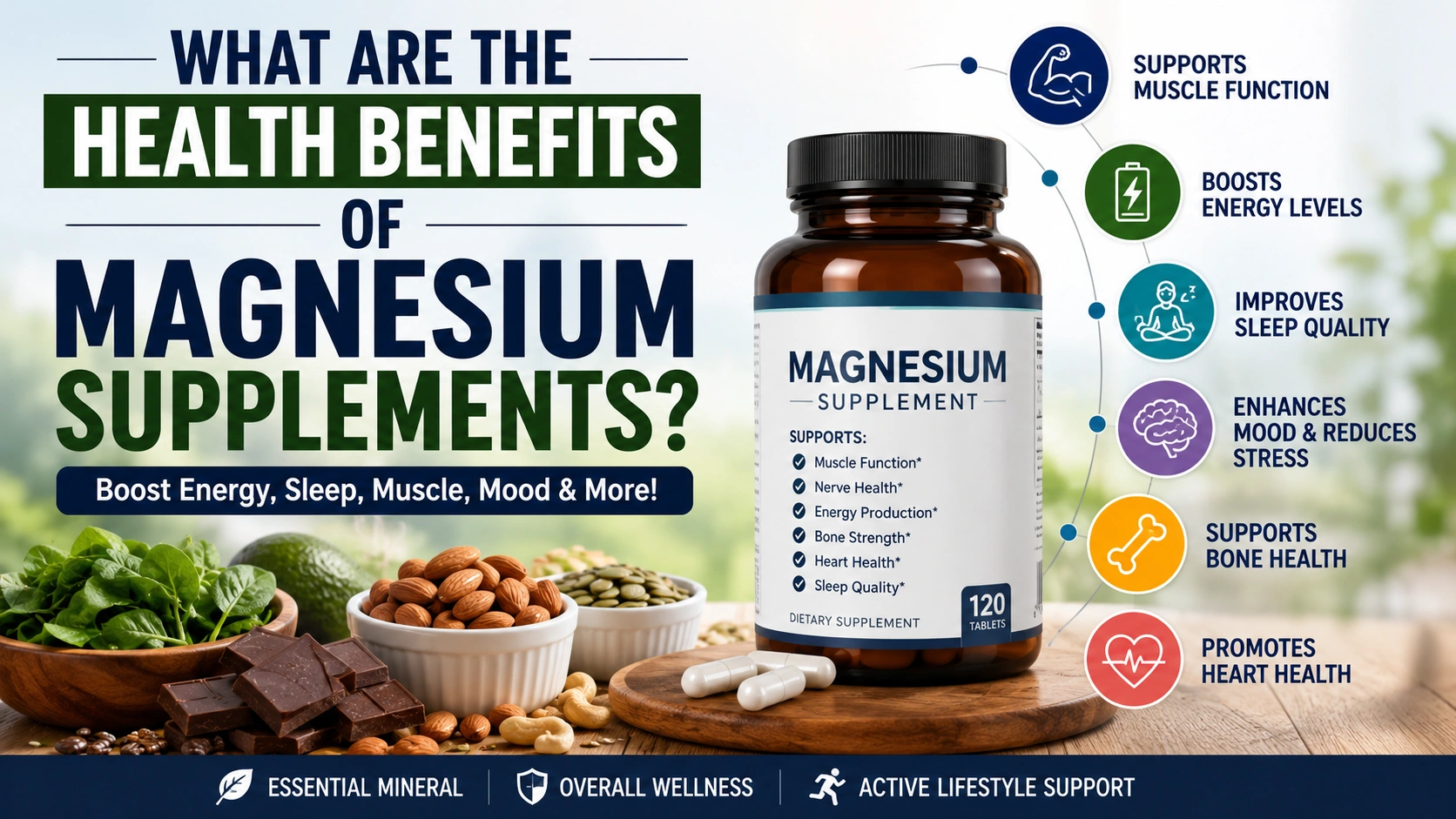
In the world of nutritional science, magnesium is often called the “silent hero.” It is the fourth most abundant mineral in the human body, yet experts estimate that nearly half of all adults in the developed world are not getting enough of it. If you have been feeling fatigued, experiencing muscle cramps, or struggling with insomnia, you might be asking: what are the health benefits of magnesium supplements?
Whether you are an athlete looking to recover faster, a busy professional battling stress, or an aging adult concerned about bone health, the answer is surprisingly broad. Here is a deep dive into how this essential mineral can transform your health.
1. The Ultimate Muscle Relaxant and Cramp Fighter
One of the most immediate answers to the question, “what are the health benefits of magnesium supplements?” lies in muscle function. Magnesium acts as a natural calcium blocker, helping muscles relax after contraction. Without enough magnesium, your muscles may remain in a state of tension, leading to painful cramps, tics, and spasms. Supplementing with magnesium is a clinically backed strategy for reducing nocturnal leg cramps and post-exercise soreness.
2. A Natural Remedy for Anxiety and Sleep Disorders
We live in a high-cortisol era. Magnesium plays a critical role in regulating the nervous system by binding to gamma-aminobutyric acid (GABA) receptors—the same receptors that anti-anxiety medications target. By calming neural excitability, magnesium supplements can help reduce stress, panic attacks, and generalized anxiety. Furthermore, because the mineral helps regulate the body’s production of melatonin, many users report falling asleep faster and achieving deeper, more restorative REM sleep.
3. Heart Health and Blood Pressure Regulation
Your heart is the most important muscle in your body, and it relies heavily on magnesium. The mineral helps maintain a steady heartbeat and prevents arrhythmias. For those with hypertension, research consistently shows that magnesium supplements can lower blood pressure by improving endothelial function (the lining of the arteries). In essence, if you are looking for a natural way to support cardiovascular health, magnesium is a cornerstone.
4. Blood Sugar Control and Insulin Sensitivity
For individuals concerned about metabolic syndrome or type 2 diabetes, the benefits of magnesium are particularly compelling. Magnesium is crucial for the metabolism of carbohydrates and the activity of insulin. Studies indicate that individuals with higher magnesium intake have a significantly lower risk of developing diabetes. Supplementing can help improve insulin sensitivity, allowing your body to manage blood sugar spikes more effectively after meals.
5. Bone Density Beyond Calcium
When we think of strong bones, we think of calcium. However, this is a mistake. To convert vitamin D into its active form—which then helps absorb calcium—the body requires magnesium. Without adequate magnesium, calcium can actually build up in soft tissues (like arteries) rather than the skeleton. Therefore, taking a magnesium supplement is not just about preventing osteoporosis; it is about ensuring that the calcium you consume goes where it is actually needed.
6. Migraine Prevention
Chronic migraine sufferers often have lower levels of magnesium in their brains. Magnesium helps prevent the cortical spreading depression (a wave of neurological activity) that triggers migraine auras and pain. Neurologists frequently recommend high-dose magnesium supplements as a first-line prophylactic treatment, especially for menstrual-related migraines.
How to Choose the Right Supplement
Understanding what are the health benefits of magnesium supplements is only half the battle; you also need to know which type to buy. Not all magnesium is created equal:
- Magnesium Glycinate: Best for mental health, sleep, and minimizing digestive upset.
- Magnesium Citrate: Highly absorbable and effective for constipation relief.
- Magnesium Malate: Ideal for chronic fatigue and fibromyalgia due to its role in energy production.
- Magnesium L-Threonate: The only form that effectively crosses the blood-brain barrier, used for cognitive enhancement.
The Bottom Line
So, what are the health benefits of magnesium supplements? The list is extensive: reduced muscle pain, better sleep, lower blood pressure, balanced blood sugar, stronger bones, and fewer migraines. Because magnesium is involved in over 300 enzymatic reactions in the body, correcting a deficiency can feel like turning on a light switch in a dark room.
Disclaimer: Always consult with a healthcare provider before starting a new supplement regimen, especially if you have kidney disease or are taking medications like diuretics or antibiotics.