 ratminers.in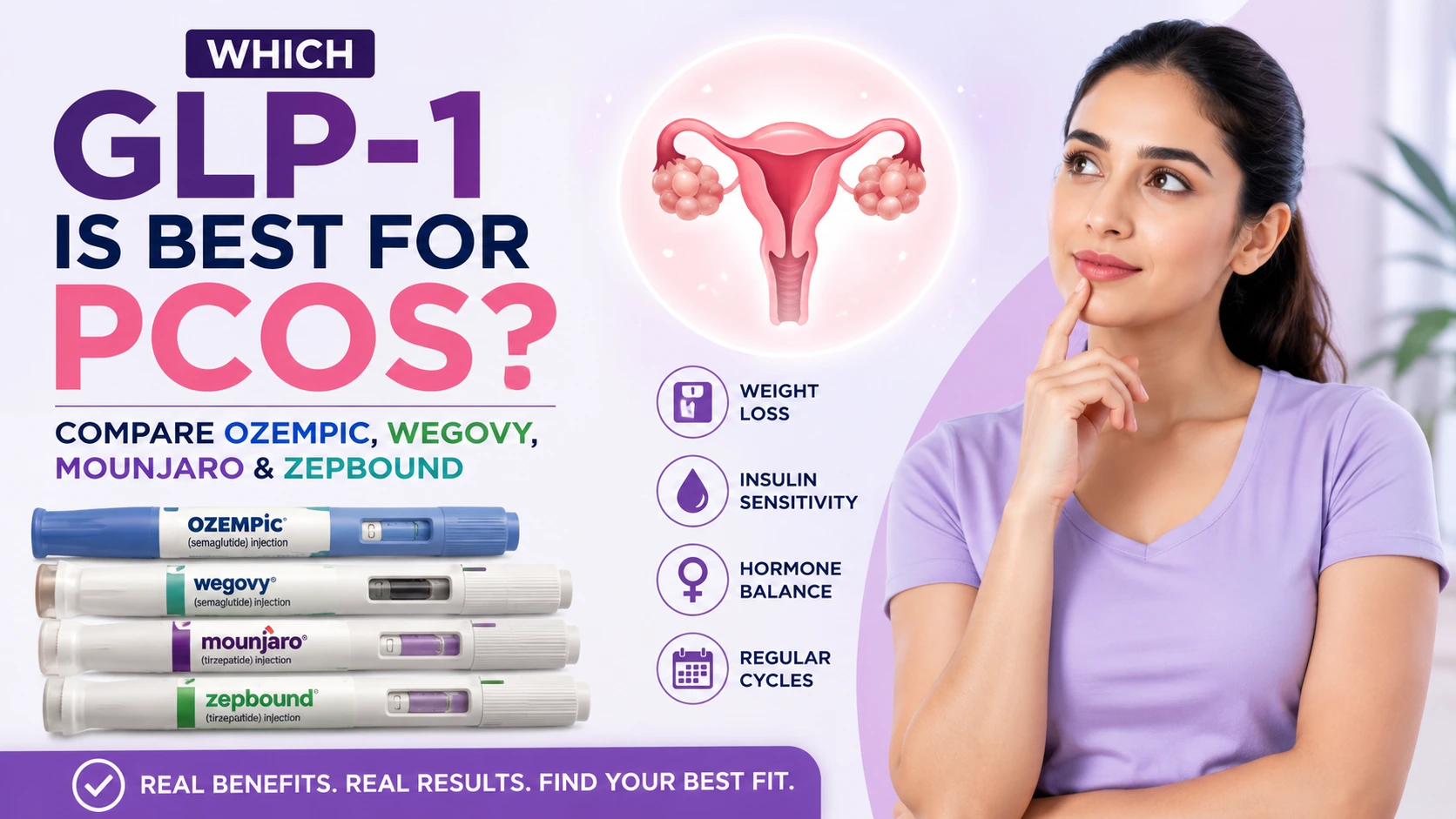
📑 Table of Contents
For PCOS, semaglutide (Ozempic/Wegovy) and liraglutide (Saxenda) have the strongest evidence for improving insulin resistance, promoting weight loss, and restoring menstrual cycles. Tirzepatide (Mounjaro) shows even greater weight loss but has less PCOS‑specific data. The best choice depends on your BMI, insurance, and side‑effect tolerance. Our top non‑prescription support (link below) complements GLP‑1 therapy with myo‑inositol and berberine.
Why GLP‑1 for PCOS? The insulin connection
Polycystic ovary syndrome (PCOS) affects 1 in 10 women of reproductive age. At its core lies insulin resistance – which drives weight gain, irregular periods, and excess androgen production. GLP‑1 receptor agonists tackle this root cause by:
- Lowering blood sugar and improving insulin sensitivity
- Reducing appetite and promoting sustained weight loss
- Decreasing androgen levels (testosterone) in some studies
- Restoring ovulation and menstrual regularity
GLP‑1 options compared: which works best?
Here’s how the main GLP‑1 agonists stack up for PCOS, based on 2026 clinical evidence:
- Semaglutide (Ozempic® / Wegovy®) – Most studied for PCOS. In a 2023 trial, 70% of women with PCOS regained regular periods after 6 months. Average weight loss: 10‑15% of body weight.
- Liraglutide (Saxenda® / Victoza®) – Longer safety track record. Effective for weight loss (5‑10%) and improves testosterone levels. Daily injection.
- Tirzepatide (Mounjaro®) – Dual GLP‑1/GIP agonist. Superior weight loss (15‑20%) but less PCOS‑specific data. Emerging as a powerful option for resistant cases.
- Dulaglutide (Trulicity®) – Less studied for PCOS, but effective for glycaemic control. Weekly injection.
What the science says: PCOS‑specific studies
A 2024 meta‑analysis of 12 trials concluded that semaglutide and liraglutide significantly reduce BMI, waist circumference, and hirsutism scores in women with PCOS. Tirzepatide showed superior weight loss but had higher rates of gastrointestinal side effects. Importantly, all GLP‑1s improved menstrual frequency and ovulation rates – with semaglutide showing the most consistent results across studies.
⭐ Editor’s choice: top‑rated GLP‑1 support formula
While prescription GLP‑1s are first‑line, many women use targeted supplements to enhance their effects or support those who can’t access medication. The PCOS Metabolic Support Complex combines myo‑inositol, berberine, and chromium – ingredients shown to improve insulin sensitivity and reduce PCOS symptoms, often used alongside GLP‑1 therapy.
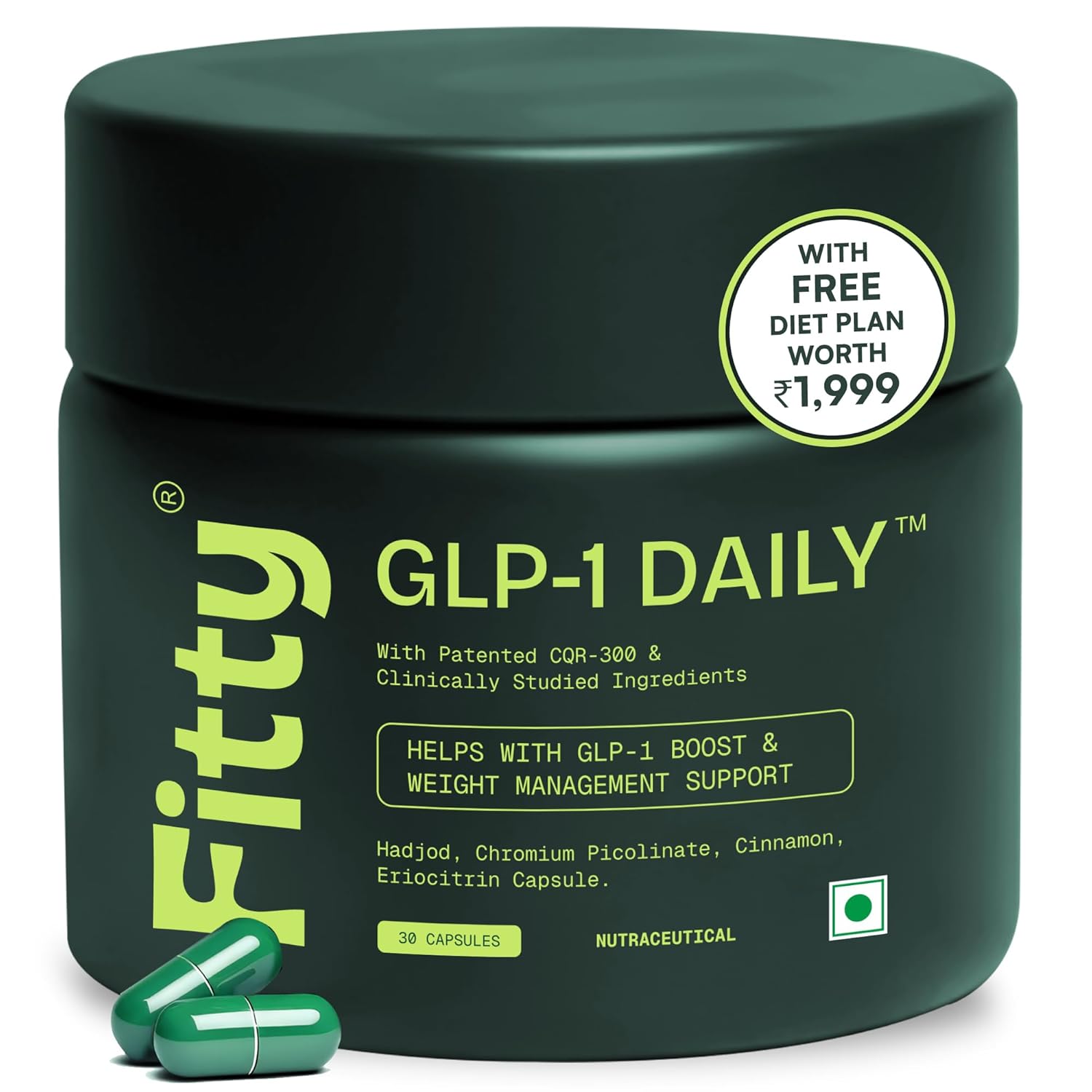
🔥 Looking for extra support alongside GLP‑1? This supplement targets insulin resistance and PCOS symptoms.
👉 Check price on Amazon (official store)✔ 60‑day money‑back guarantee · third‑party tested
❓ FAQ – your top questions answered
Q: Which GLP‑1 is best for PCOS and weight loss?
A: Semaglutide (Wegovy/Ozempic) has the most PCOS‑specific evidence, with 10‑15% average weight loss and improved menstrual cycles in most studies.
Q: Can I take GLP‑1 if I have PCOS but normal blood sugar?
A: Yes. Many women with PCOS have insulin resistance even with normal glucose. GLP‑1s are often prescribed off‑label for PCOS management.
Q: Are GLP‑1s better than metformin for PCOS?
A: GLP‑1s generally produce more weight loss and greater improvement in menstrual regularity than metformin, but they’re more expensive and have more GI side effects.
Q: How long does it take to see results?
A: Most women notice appetite changes within weeks, weight loss at 2‑3 months, and menstrual improvements by 3‑6 months.
This article contains affiliate links. If you buy through our Amazon link, we may earn a small commission at no extra cost to you. We only recommend products we have researched and believe add value.
⚠️ Health disclaimer: This information is for educational purposes only and does not replace professional medical advice. Always consult your healthcare provider before starting any new supplement, medication, or treatment – especially prescription GLP‑1 agonists. Individual results may vary.