 ratminers.in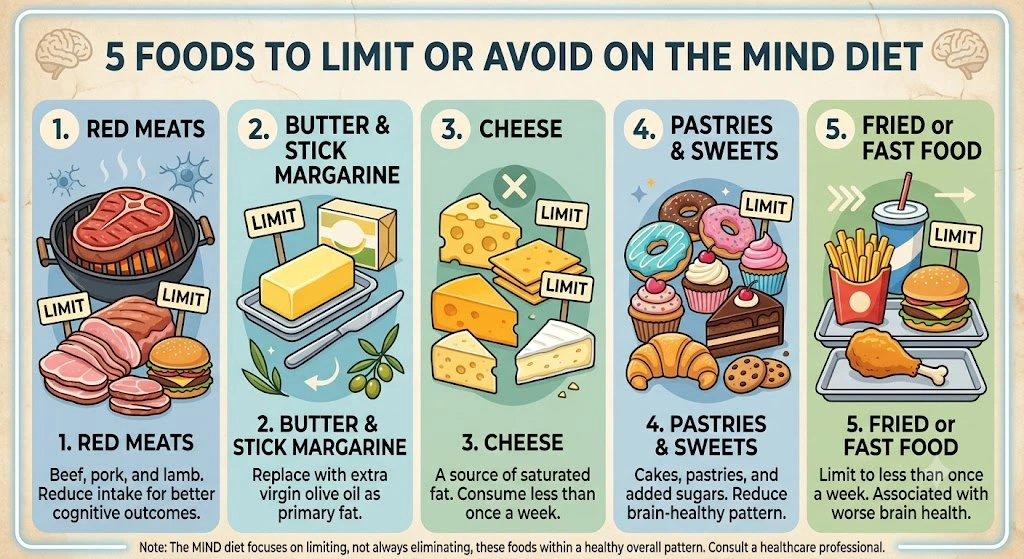
If you are concerned about keeping your mind sharp as you age, you have probably heard of the MIND diet. This eating plan, which stands for Mediterranean-DASH Intervention for Neurodegenerative Delay, was created specifically to support brain health and may help lower the risk of Alzheimer’s disease and other forms of dementia. One of the best things about the MIND diet is that it is not complicated. It clearly lists foods to eat and, just as importantly, five specific foods to avoid or strictly limit.
Following this diet closely has shown remarkable results. In one major study, people who adhered to the MIND diet most strictly reduced their risk of Alzheimer’s disease by 53 percent, while those who followed it even moderately still cut their risk by about 35 percent. The science behind it is compelling: research published in Neurology found that eating just 0.25 servings of processed red meat per day was linked to a 13% higher risk of dementia.
So, what are 5 foods to avoid on the MIND diet? Here is the definitive list based on the latest research.
The Top 5 Foods to Limit on the MIND Diet
The MIND diet recommends avoiding or significantly cutting back on these five food groups because they are high in saturated fats, added sugars, and other compounds linked to inflammation and cognitive decline. Here they are, in the order you will often see them.
| Food to Limit | Recommended Limit | Why It’s Avoided |
|---|---|---|
| Red Meat (beef, pork, lamb, processed meats) | Less than 4 servings per week | High in saturated fat, linked to heart disease, diabetes, and increased dementia risk. |
| Butter & Margarine | Less than 1 tablespoon per day | High in saturated and trans fats; replacing with olive oil may lower fatal dementia risk. |
| Cheese (full-fat) | Less than 1 serving per week | High in saturated fat. MIND diet promotes plant protein sources like beans instead. |
| Pastries & Sweets (cookies, ice cream, donuts, sugary drinks) | Less than 5 servings per week | High in added sugars and refined fats, linked to inflammation and higher dementia risk. |
| Fried & Fast Food | Less than 1 serving per week | High in unhealthy fats and calories; even short-term consumption can impair memory. |
How to Make Smart Swaps
The key to success with the MIND diet is not just restriction but also healthy replacement. For example, use extra-virgin olive oil instead of butter, replace a burger with grilled salmon, or snack on a handful of nuts instead of chips or sweets. These small changes can significantly improve brain health.
📊 A 2026 Clinical Trial Confirms the Benefits
The effectiveness of the MIND diet continues to be validated. A 2026 randomized control clinical trial published in the Cochrane Library found that participants on the MIND diet showed a significant increase in total cognitive function—with improvements of 52–60% over the control group—as well as improvements in attention and executive function.
Your Next Steps
Starting the MIND diet is one of the most powerful lifestyle changes you can make for your brain. While incorporating leafy greens, berries, nuts, and fish, remember that what you limit is just as important as what you eat. Keep this list of the five foods to avoid handy and start making those smart swaps today.
🛍️ Support Your Journey
Consider adding a great cookbook to your kitchen that aligns with the MIND diet principles.
📖 View on Amazon →