 ratminers.in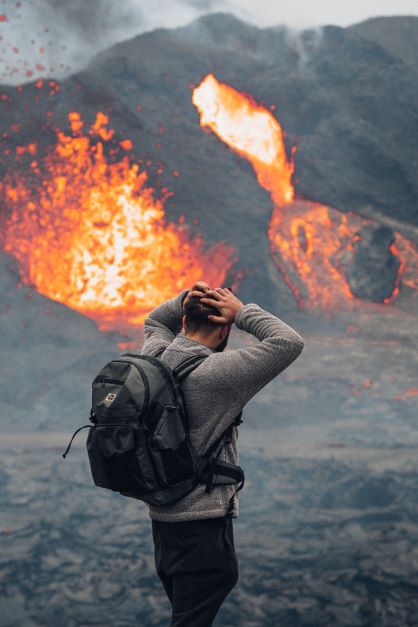
Volcano Eruption in Iceland , known for its stunning landscapes and geological wonders, has once again captured the world’s attention with a volcanic eruption. The natural spectacle unfolded as molten lava spewed from the heart of the earth, creating a breathtaking display of nature’s raw power.
The Awakening of Fagradalsfjall Volcano
The eruption occurred at Fagradalsfjall, a volcanic mountain situated on the Reykjanes Peninsula in southwestern Iceland. This event marked the first eruption in the region in over 800 years, making it a historic and rare occurrence for both locals and scientists.
A Visual Extravaganza
The eruption transformed the night sky into a mesmerizing panorama of orange and red hues as the molten lava flowed down the mountainside. The glow from the lava could be seen from miles away, creating an otherworldly ambiance. Residents and visitors alike were drawn to witness the spectacle, capturing the moment on cameras and smartphones, sharing the breathtaking images with the world.
Scientific Interest and Monitoring
While the eruption provided a stunning visual display, scientists and geologists were quick to respond to study the phenomenon. The Icelandic Meteorological Office and the Institute of Earth Sciences closely monitored the volcanic activity, collecting data to better understand the geological processes at play. The eruption offered a unique opportunity for researchers to observe and analyze the behavior of a live volcano.
Impact on Travel and Environment
As with any volcanic activity, there were concerns about the potential impact on air travel and the environment. While the eruption was not immediately disruptive to air travel, authorities and aviation experts kept a close eye on the situation. Meanwhile, the environmental impact was assessed, with experts studying the effects on local ecosystems, air quality, and water sources.
Iceland’s Resilience
Iceland, situated on the Mid-Atlantic Ridge, is no stranger to geological activity. The country is home to numerous volcanoes, and its residents are accustomed to living in harmony with the dynamic forces of nature. The eruption at Fagradalsfjall serves as a reminder of Iceland’s geological uniqueness and the resilience of its people in the face of such natural events.
Tourism and Public Engagement
The eruption also brought an unexpected boost to tourism in the region. Visitors flocked to witness the volcanic activity firsthand, contributing to the local economy. However, authorities implemented safety measures to ensure the well-being of both tourists and residents, defining restricted areas to prevent accidents and maintain public safety.
Conclusion
The volcanic eruption at Fagradalsfjall in Iceland stands as a testament to the dynamic and ever-changing nature of our planet. As scientists continue to study the aftermath and residents return to their daily lives, the world remains captivated by the images and stories emerging from this extraordinary event. Nature’s display of power serves as a humbling reminder of our planet’s geological wonders and the need for ongoing scientific exploration and understanding.
Ongoing Monitoring and Research
In the aftermath of the eruption, scientists and researchers continue their vigilance, closely monitoring the volcanic activity and its aftermath. The wealth of data collected during the eruption will provide valuable insights into the geological processes occurring beneath the Earth’s surface. This knowledge contributes to our understanding of volcanic behavior and helps in developing early warning systems for future eruptions.
Community Response and Preparedness
The Icelandic community, known for its resilience, demonstrated preparedness in the face of the volcanic eruption. Emergency response teams and local authorities efficiently managed the situation, ensuring the safety of residents and visitors. The experience gained from this event will undoubtedly contribute to refining emergency response strategies, enhancing the community’s ability to adapt to the unpredictable nature of volcanic activity.
Global Interest and Scientific Collaboration
The eruption in Iceland attracted global attention, not only for its visual spectacle but also for its scientific significance. Researchers and scientists from around the world expressed keen interest in collaborating with Icelandic counterparts to analyze the data and draw insights into volcanic processes. This collaborative effort showcases the international scientific community’s dedication to advancing our understanding of Earth’s geology.
Touristic Impact and Educational Opportunities
As news of the eruption spread, Iceland experienced an influx of tourists eager to witness the natural phenomenon. This unexpected surge in tourism, while offering economic benefits, also prompted authorities to manage visitor numbers to ensure safety and environmental sustainability. The eruption provided a unique educational opportunity for both locals and visitors, fostering a greater appreciation for the geological forces shaping our planet.
Environmental Changes and Regeneration
While the immediate impact of the eruption may have raised concerns about air quality and environmental changes, the long-term effects are also of interest to scientists. The regeneration of the landscape, with new lava formations and geological features, presents an opportunity to study ecological succession and observe how nature rebounds after such events.
Looking to the Future
As Iceland returns to a state of relative calm, the global scientific community remains focused on the lessons learned from the Fagradalsfjall eruption. The data collected will contribute to refining volcanic risk assessments, emergency response strategies, and our overall understanding of the Earth’s dynamic processes. The event serves as a reminder of the need for ongoing research and international collaboration to navigate the complexities of our planet’s geological activity.
In conclusion, the eruption at Fagradalsfjall has left an indelible mark on Iceland’s landscape and global scientific knowledge. While the spectacle captured the world’s imagination, the ongoing research and collaborative efforts underscore the importance of studying natural events to better prepare for the unpredictable forces of our dynamic planet.
Harnessing Geothermal Energy
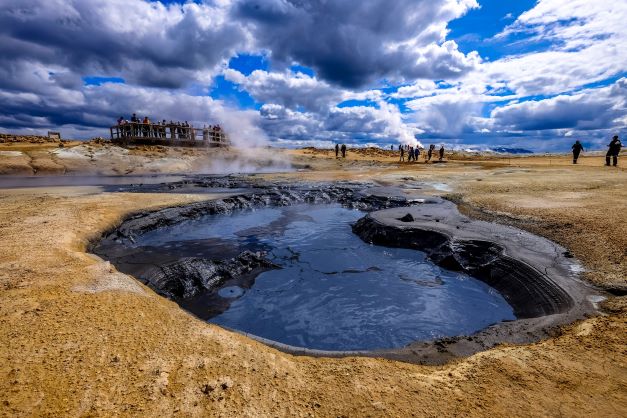
Iceland, renowned for its commitment to sustainable practices, is turning the volcanic eruption into an opportunity for harnessing geothermal energy. The region surrounding Fagradalsfjall is known for its geothermal potential, and the eruption provides a unique chance to explore new avenues for clean energy. Scientists and energy experts are exploring ways to tap into the Earth’s natural heat reservoirs, further promoting Iceland’s reputation as a global leader in renewable energy.
Cultural and Artistic Inspiration
The volcanic eruption has not only stirred scientific curiosity but has also become a source of inspiration for artists and creatives. Local and international artists have found inspiration in the vivid colors, dramatic landscapes, and the sheer power of nature on display. The eruption’s visual impact has translated into a myriad of artistic expressions, from paintings and sculptures to music and literature, creating a lasting cultural legacy.
Community Engagement and Education
Recognizing the educational value of the volcanic eruption, Iceland has embraced the opportunity to engage with communities and educate the public. Educational programs and guided tours offer residents and visitors a chance to learn about the geological processes, the history of volcanic activity in the region, and the broader implications for Earth science. This proactive approach to public engagement fosters a sense of understanding and resilience within the community.
Scientific Tourism
The eruption has sparked a new form of tourism—scientific tourism. Enthusiasts and researchers from various disciplines are drawn to Iceland to witness the ongoing volcanic activity firsthand. This trend not only supports the local economy but also promotes a cross-cultural exchange of scientific knowledge. Scientific tourism is creating a bridge between the academic community and the general public, making complex geological concepts more accessible to a broader audience.
Monitoring for Future Preparedness
The Fagradalsfjall eruption serves as a reminder of the importance of continuous monitoring and preparedness for volcanic activity. The knowledge gained from this event contributes to refining early warning systems, emergency response plans, and evacuation procedures. Iceland’s commitment to scientific research and proactive measures positions it as a model for countries prone to geological phenomena, emphasizing the significance of being prepared for the unpredictable forces of nature.
Conclusion: Nature’s Unveiling
The volcanic eruption at Fagradalsfjall in Iceland has proven to be more than a momentary spectacle; it is a transformative event with far-reaching implications. From scientific exploration and sustainable energy endeavors to cultural inspiration and community education, the eruption has become a multi-faceted phenomenon. As the world watches the ongoing developments, Iceland stands at the forefront of utilizing nature’s forces for positive change, emphasizing the interconnectedness of scientific understanding, cultural expression, and sustainable practices.
International Collaboration in Geoscience
The volcanic eruption at Fagradalsfjall has sparked a renewed interest in international collaboration within the geoscience community. Scientists and researchers from various countries are joining forces to analyze data, exchange insights, and collectively contribute to the global understanding of volcanic phenomena. This collaborative spirit not only advances scientific knowledge but also fosters a sense of unity in addressing shared challenges related to Earth’s dynamic processes.
Impact on Biodiversity
The eruption’s impact on local biodiversity is an area of keen scientific interest. As lava flows reshape the landscape, researchers are monitoring how plant and animal species respond to these changes. This presents a unique opportunity to study ecological dynamics, adaptation, and the resilience of ecosystems in the face of natural disturbances. The findings may have broader implications for understanding the relationship between volcanic activity and biodiversity worldwide.
Technological Innovations in Monitoring
The eruption has provided a real-world testing ground for cutting-edge technologies used in monitoring volcanic activity. Unmanned aerial vehicles (UAVs), satellite imaging, and advanced sensors have played pivotal roles in capturing real-time data and enhancing our ability to monitor the eruption’s progression. These technological innovations are advancing the field of volcanology and setting new standards for monitoring and predicting volcanic events.
Sustainable Tourism Practices
Iceland’s approach to managing the influx of tourists during the volcanic eruption highlights a commitment to sustainable tourism practices. Authorities have implemented measures to protect fragile ecosystems, define restricted zones, and ensure a minimal environmental footprint. This emphasis on sustainable tourism aligns with Iceland’s broader strategy of balancing economic benefits with environmental conservation, setting an example for other regions facing similar challenges.
Volcanic Tourism as an Educational Tool
The eruption has transformed Fagradalsfjall into an outdoor classroom, attracting students, educators, and researchers eager to learn from this natural laboratory. Field trips and educational programs provide hands-on experiences, offering a tangible connection between theoretical knowledge and real-world volcanic processes. This educational aspect of volcanic tourism contributes to a global awareness of geological phenomena and the importance of Earth science education.
Long-Term Geological Studies
Beyond the immediate aftermath of the eruption, Iceland becomes a living geological laboratory for long-term studies. Scientists are expected to monitor the region for years, studying how the landscape evolves, ecosystems recover, and geological features develop over time. These long-term studies contribute essential data for understanding volcanic activity’s lasting impact on Earth’s geology and provide insights into the planet’s ongoing processes.
Embracing the Inevitability of Change
The volcanic eruption at Fagradalsfjall serves as a poignant reminder that change is an inherent part of our planet’s natural processes. It prompts reflection on our role as stewards of the Earth and encourages societies to embrace adaptability and resilience. Iceland’s response to the eruption showcases a harmonious coexistence with nature, demonstrating that even in the face of powerful geological events, humanity can find ways to thrive and learn.
In conclusion, the eruption at Fagradalsfjall is not just a moment in time but an ongoing narrative of scientific exploration, cultural inspiration, and environmental stewardship. As the world continues to witness the evolving story of this volcanic phenomenon, it prompts contemplation on our collective responsibility to understand, appreciate, and sustain the delicate balance between the Earth’s forces and human existence.
Fostering Resilience and Preparedness
The eruption at Fagradalsfjall underscores the need for global communities to cultivate resilience and preparedness in the face of natural disasters. While Iceland’s response has been exemplary, the event serves as a catalyst for other regions prone to geological phenomena to reevaluate their emergency response plans, invest in advanced monitoring systems, and educate their populations on mitigating risks associated with volcanic activity.
Public Engagement and Citizen Science
The eruption has sparked widespread public interest and engagement, turning citizens into active participants in scientific observation. Citizen scientists, armed with smartphones and accessible technologies, have contributed valuable data and observations. This democratization of scientific involvement not only enhances our understanding of the eruption but also strengthens the bond between communities and the scientific community, fostering a sense of shared responsibility for Earth’s wellbeing.
Mitigating Climate Impact
Volcanic eruptions, while awe-inspiring, can have climatic consequences. The release of gases and particulate matter during eruptions can influence the Earth’s climate. Scientists are closely studying the emissions from Fagradalsfjall to assess potential impacts on the atmosphere. Understanding these dynamics contributes to broader climate research and emphasizes the interconnectedness of geological events and the global climate system.
Geological Heritage Preservation
The eruption site at Fagradalsfjall has become a geological heritage site, showcasing the Earth’s dynamic processes. Authorities and conservationists are working together to strike a balance between allowing scientific exploration and preserving the area’s natural beauty and significance. This commitment to geological heritage preservation sets a precedent for responsible stewardship of such unique sites worldwide.
Lessons for Future Urban Planning
The eruption serves as a case study for urban planning in regions with volcanic activity. As Iceland continues to evolve in the aftermath of the eruption, policymakers can draw valuable insights into designing resilient infrastructure, implementing effective evacuation plans, and balancing sustainable development with the inherent geological risks. These lessons extend beyond Iceland, offering guidance to communities worldwide facing similar challenges.
Ethical and Sustainable Resource Extraction
Iceland’s geothermal potential, exemplified by the volcanic activity, underscores the importance of ethical and sustainable resource extraction. The nation’s geothermal energy initiatives, fueled by the Earth’s natural heat, exemplify a responsible approach to harnessing resources. This model of sustainable energy practices can inspire a global shift towards cleaner, more environmentally friendly energy sources.
Building a Global Network for Volcanic Studies
The eruption at Fagradalsfjall has catalyzed discussions about establishing a global network for volcanic studies. Collaborative efforts among nations, sharing data, expertise, and resources, can enhance our collective ability to understand, predict, and mitigate the impacts of volcanic activity. This network would serve as a platform for proactive measures, fostering a global community dedicated to advancing volcanic research.
In conclusion, the volcanic eruption at Fagradalsfjall extends far beyond a geological event—it is a catalyst for change, innovation, and global collaboration. As the world watches the ongoing developments in Iceland, it prompts reflection on humanity’s relationship with nature, our capacity for resilience, and the imperative to build a sustainable future in harmony with the Earth’s dynamic forces.
Embracing Interdisciplinary Research
The eruption at Fagradalsfjall has emphasized the need for interdisciplinary research to fully grasp the complexities of volcanic phenomena. Geologists, climatologists, ecologists, sociologists, and engineers are coming together to form a comprehensive understanding of the eruption’s impact. This collaborative approach transcends traditional disciplinary boundaries, encouraging a holistic perspective that addresses the interconnected nature of geological events.
Volcanic Risk Communication
Effective communication during volcanic events is crucial for public safety. The eruption at Fagradalsfjall has prompted a reevaluation of volcanic risk communication strategies. Authorities and scientists are working together to develop clear, accessible information for the public, incorporating lessons learned from this event to enhance risk communication models globally. Transparency and clarity in communication are essential elements in fostering public trust and preparedness.
Geoethical Considerations
The eruption raises important geoethical considerations regarding human interaction with volcanic environments. As scientific and touristic interest in volcanic regions grows, a responsible approach to exploration becomes paramount. Geoethical guidelines are being developed to ensure that scientific inquiry and tourism align with conservation goals, respecting the delicate balance of ecosystems and geological features.
Space-based Observation
Satellite technology has played a pivotal role in monitoring the eruption, providing a unique vantage point from space. The data collected from satellites contribute to our understanding of volcanic plumes, ash dispersal, and ground deformation. This space-based observation not only aids in real-time monitoring but also sets the stage for advancing remote sensing capabilities for volcanic studies globally.
Remote Sensing Technologies
Ground-based remote sensing technologies, including LiDAR (Light Detection and Ranging) and drones, have proven invaluable in capturing detailed data of the volcanic landscape. These technologies facilitate high-resolution mapping of terrain changes, lava flow dynamics, and the evolution of geological features. Their application in volcanic studies enhances our ability to monitor and analyze eruptions with unprecedented precision.
Disaster Resilience Education
The eruption serves as a catalyst for disaster resilience education on a global scale. Incorporating lessons from Fagradalsfjall into educational curricula can empower future generations with knowledge about volcanic risks, emergency preparedness, and sustainable practices. This proactive approach to education ensures that communities are equipped to navigate the complexities of living in volcanic regions, fostering a culture of resilience.
The Role of Indigenous Knowledge
Incorporating indigenous knowledge into volcanic studies is gaining recognition. Indigenous communities often possess valuable insights into living harmoniously with the land, including strategies for adapting to volcanic activity. Collaborative efforts between scientists and indigenous communities can enrich our understanding of volcanic landscapes, promote cultural preservation, and establish sustainable practices rooted in traditional wisdom.
In summary, the eruption at Fagradalsfjall is an unfolding story of scientific discovery, cultural adaptation, and global collaboration. As the world continues to learn from this extraordinary event, it paves the way for a more informed, resilient, and ethically conscious approach to coexisting with the dynamic forces of nature. The legacy of Fagradalsfjall extends beyond Iceland’s borders, shaping the future of volcanic studies and influencing how humanity interacts with the Earth’s geological wonders.