 ratminers.in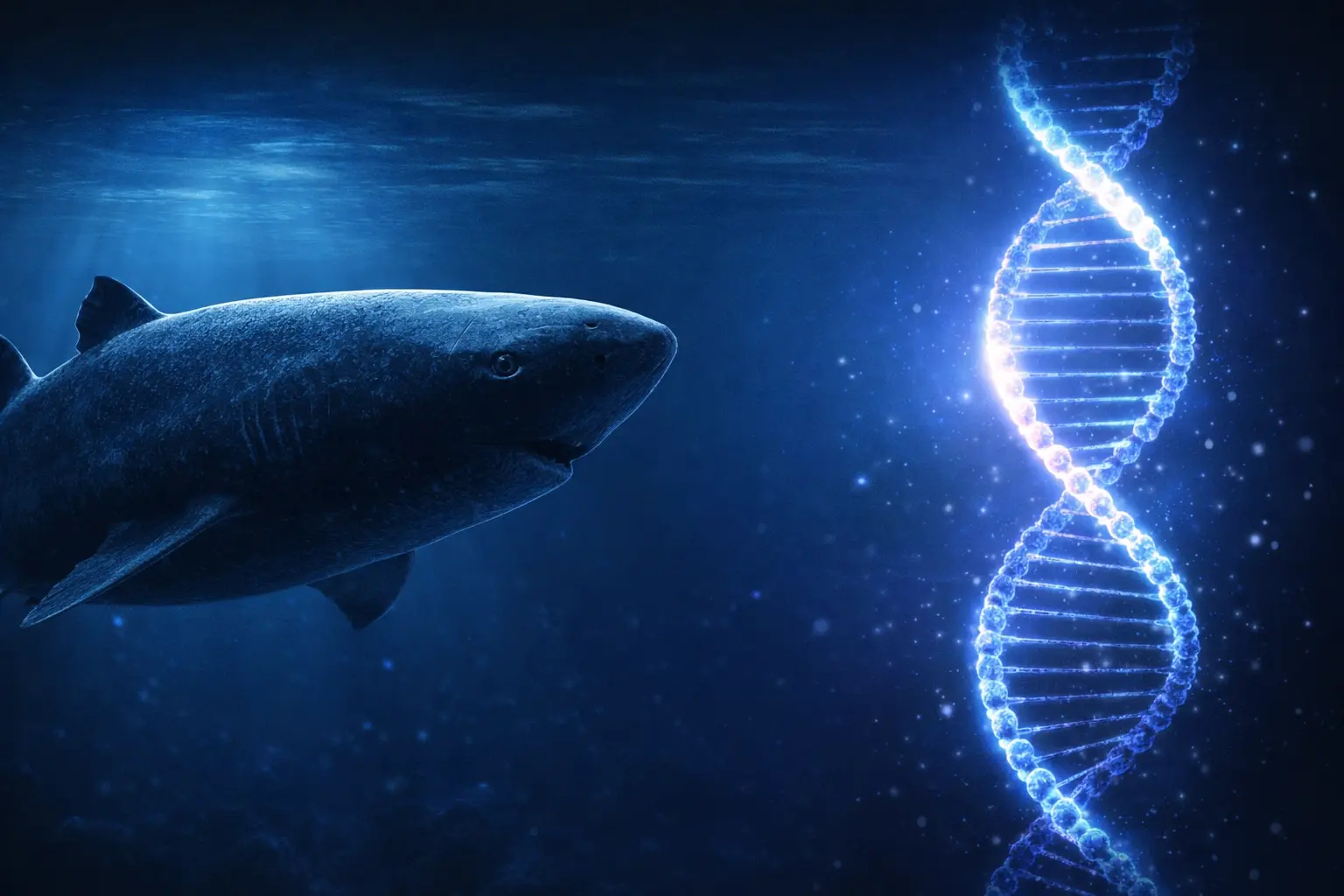
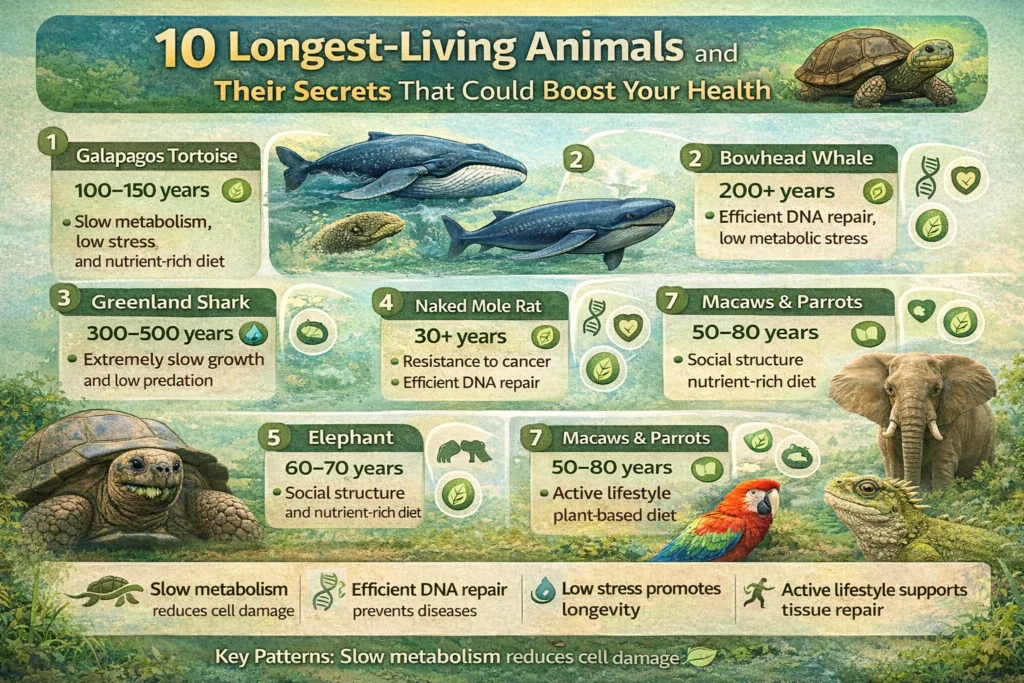
When we think about living a long and healthy life, most of us picture humans reaching their 80s, 90s, or maybe hitting 100. But deep beneath the Arctic waters swims a creature that puts human longevity to shame. The Greenland shark (Somniosus microcephalus) is now known as the longest-living vertebrate on Earth, with individuals that may live up to 400–500 years or more.
Scientists are only beginning to uncover why this slow-moving shark lives so long, and while we can’t expect to live for centuries like it, the Greenland shark’s biology offers fascinating clues about aging, metabolism, and health—clues that might help us live healthier, not just longer.
The Longevity Record: Hundreds of Years in the Deep
Decades of research have shown that Greenland sharks have an exceptionally long lifespan. By measuring the chemical composition of proteins in their eye lenses, scientists estimated that the oldest individuals could be between about 272 and 512 years old.
This estimation doesn’t come from counting rings on bones (the shark doesn’t have the sort of hard tissue that forms visible growth rings). Instead, researchers use radiocarbon dating of eye tissues that remain stable throughout life—like a biological clock preserved from birth.
Even on the conservative side, a lifespan of 270–300+ years is astounding when compared with humans (maximum ~122 years). These sharks may even not reach sexual maturity until around 150 years of age.
Why These Sharks Live So Long
The Greenland shark’s extreme longevity is likely a combination of biological and environmental factors. Here are the key contributors researchers have identified:
1. Exceptionally Slow Metabolism
Greenland sharks grow incredibly slowly—about 1 cm per year—and they swim at very low speeds. This slow pace of life means a lower metabolic rate, which reduces the amount of oxidative stress and cellular damage over time.
In biology, metabolism is related to how quickly cells process energy. A slower metabolism produces fewer free radicals—reactive molecules that damage cells and accelerate aging. In very cold water, this metabolic slowdown may be even more profound.
2. Cold, Deep-Sea Habitat
These sharks live in the frigid depths of the Arctic and North Atlantic (down to 2,200 m), where temperatures are near freezing. Cold environments naturally slow biochemical reactions and metabolic processes, potentially contributing to slower aging.
While cold alone doesn’t guarantee longevity (many organisms in cold water still age faster than Greenland sharks), it’s an important part of their longevity strategy.
3. Genetic Clues from the Genome
Recent attempts to sequence the Greenland shark’s entire genome are uncovering potential genetic factors linked to longevity. Studies suggest that these sharks may have gene variations related to DNA repair, immune function, and aging-associated pathways that help maintain cellular integrity over centuries.
Such gene profiles may help guard against the typical decline in cellular function that most animals—including humans—experience with age.
4. Slow Life History Strategy
Greenland sharks follow a “slow life history” pattern—long lifespans, delayed sexual maturity, slow growth, and few predators in their deep-sea environment. This strategy contrasts with “fast life” animals that grow quickly, reproduce early, and die young.
This life history pattern highlights that aging isn’t simply about years lived; it’s about how an organism’s body handles damage and conserves resources over time.
What Humans Can Learn from the Greenland Shark
While humans will never live for 400 years, the Greenland shark reminds us that aging is not inevitable decline—it’s a biological process influenced by metabolism, environment, and cellular maintenance. Here’s what we can take away:
1. Metabolic Balance Matters
The Greenland shark’s longevity is strongly linked to its slow metabolism. In humans, excessive metabolic stress—caused by inflammation, poor diet, and lack of rest—can accelerate aging. Supporting a balanced metabolism through healthy eating, regular exercise, and stress management may help reduce cellular damage and promote longevity.
Practical Tip: Focus on nutrient-dense foods, balanced blood sugar, and regular movement to reduce oxidative stress on your cells.
2. Environment Influences Aging
Just as the deep Arctic impacts the shark, environmental factors shape human aging. Exposure to pollution, chronic stress, and poor sleep accelerates cellular damage. Conversely, clean air, restful sleep, and contact with nature can support regenerative processes.
Practical Tip: Prioritize quality sleep, nature exposure, and stress reduction to help your body maintain cellular repair.
3. DNA and Cellular Maintenance
Scientists studying Greenland sharks are especially interested in how their genomes help maintain DNA integrity. Humans share many DNA repair pathways with other long-lived animals. Supporting these mechanisms may slow the onset of age-related diseases and improve healthspan—the period of life spent in good health.
Practical Tip: Antioxidants and nutrients that reduce oxidative stress (found in fruits, vegetables, and omega-3 sources) may help support DNA repair.
4. Slow and Steady Lifestyle
Perhaps the biggest lesson from the Greenland shark is that a slower, balanced approach to life may be key—not rushing from one demand to the next, but fostering consistent, low-stress habits that reduce physiological wear and tear.
Practical Tip: Build routines that support consistency:
- Regular sleep and wake cycles
- Moderate movement
- Mindful eating
- Stress-management habits
A Broader View of Aging
The Greenland shark challenges our assumptions about aging as an unavoidable decline. Instead, it suggests that aging is a dynamic interplay between genetics, environment, metabolism, and lifestyle. Researchers are still unraveling the details—like how specific gene variations influence longevity or how cold-water biology slows aging—but the lessons are already valuable for human health science.
In the end, the goal isn’t centuries of life but decades of good health—slowing cellular damage, supporting regenerative processes, and living with vitality at all ages. While humans and sharks differ greatly, the Greenland shark offers a powerful metaphor: slow down, conserve energy, and support your body’s internal repair systems to age better, not just longer.
References
- Greenland sharks may live 272–512 years—longest vertebrate known.
- Slow metabolism, deep cold water likely contribute to longevity.
- Genetic studies exploring longevity factors in sharks.