 ratminers.in
Your GGT levels reflect how well your liver is coping with toxins and stress. With the right nutrition, hydration, and lifestyle, you can naturally lower GGT, improve your liver function, and feel more energetic.
Small, consistent dietary changes go a long way in restoring balance.
Lowering GGT Levels: A Comprehensive Guide
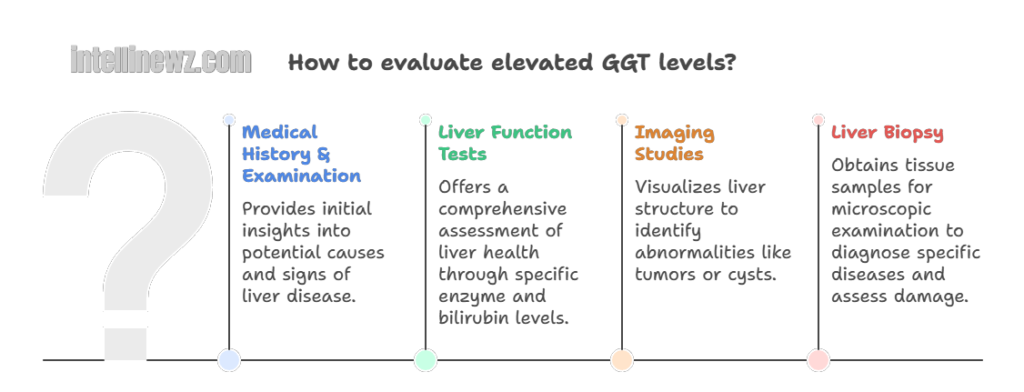
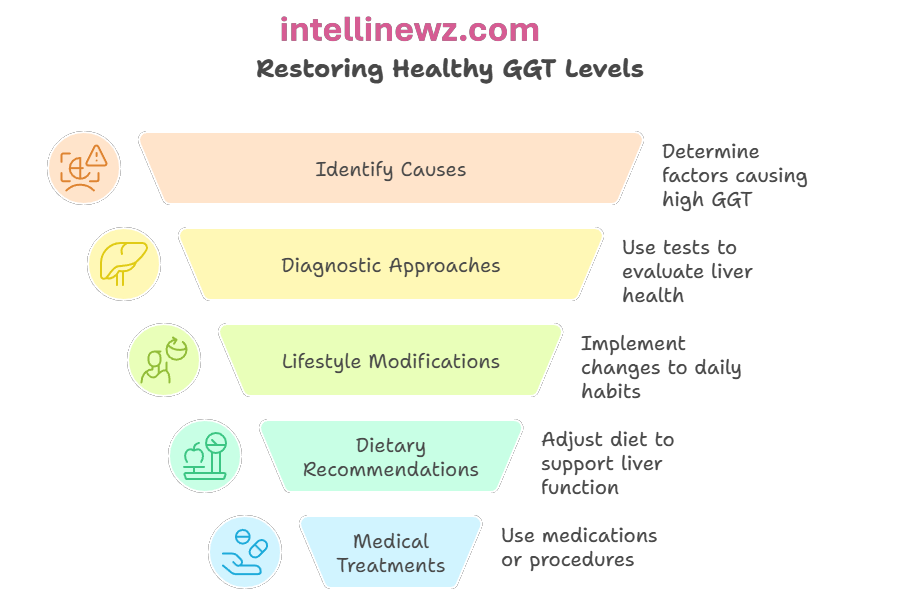
This document provides a comprehensive overview of Gamma-Glutamyl Transferase (GGT), its significance as a liver enzyme, and practical strategies for lowering elevated GGT levels. It explores the causes of high GGT, diagnostic approaches, lifestyle modifications, dietary recommendations, and medical treatments that can contribute to restoring healthy GGT levels and improving overall liver health.
Understanding GGT
Gamma-Glutamyl Transferase (GGT) is an enzyme found primarily in the liver, but also in other organs like the kidneys, pancreas, and intestines. It plays a crucial role in the metabolism of glutathione, an important antioxidant. GGT levels are typically measured in a blood test to assess liver health. Elevated GGT levels often indicate liver damage or disease, but can also be influenced by other factors.
Causes of Elevated GGT
Several factors can contribute to elevated GGT levels. Identifying the underlying cause is crucial for effective management. Common causes include:
Liver Disease: Conditions such as hepatitis (viral, alcoholic, or non-alcoholic), cirrhosis, and liver tumors can damage liver cells and release GGT into the bloodstream.
Alcohol Consumption: Excessive alcohol intake is a significant contributor to elevated GGT. Alcohol can directly damage liver cells, leading to increased GGT production.
Medications: Certain medications, including some anticonvulsants, antidepressants, and nonsteroidal anti-inflammatory drugs (NSAIDs), can affect liver function and raise GGT levels.
Non-Alcoholic Fatty Liver Disease (NAFLD): NAFLD is a condition characterized by the accumulation of fat in the liver, often associated with obesity, diabetes, and high cholesterol.
Biliary Obstruction: Blockage of the bile ducts, whether due to gallstones or other causes, can lead to a buildup of bile in the liver and elevated GGT.
Heart Failure: Congestive heart failure can cause liver congestion and elevated GGT.
Diabetes: Poorly controlled diabetes can contribute to liver damage and elevated GGT.
Diagnosis and Evaluation
If a blood test reveals elevated GGT levels, further evaluation is necessary to determine the underlying cause. This may involve:
Medical History and Physical Examination: A thorough review of your medical history, including alcohol consumption, medication use, and any pre-existing conditions, is essential. A physical examination can help identify signs of liver disease.
Liver Function Tests (LFTs): Additional liver function tests, such as ALT (Alanine Aminotransferase), AST (Aspartate Aminotransferase), alkaline phosphatase (ALP), and bilirubin, can provide a more comprehensive assessment of liver health.
Imaging Studies: Ultrasound, CT scan, or MRI of the liver may be performed to visualize the liver and identify any structural abnormalities, such as tumors, cysts, or fatty infiltration.
Liver Biopsy: In some cases, a liver biopsy may be necessary to obtain a tissue sample for microscopic examination. This can help diagnose specific liver diseases and assess the extent of liver damage.
Strategies for Lowering GGT Levels
The approach to lowering GGT levels depends on the underlying cause. However, several general strategies can be beneficial:
- Lifestyle Modificationshttps://amzn.to/3WwHOAI
Reduce or Eliminate Alcohol Consumption: For individuals with alcohol-related liver disease, abstaining from alcohol is crucial. Even moderate alcohol consumption can contribute to elevated GGT levels.
Weight Management: If you are overweight or obese, losing weight can help reduce fat accumulation in the liver and lower GGT levels. Aim for a gradual and sustainable weight loss through a combination of diet and exercise.
Regular Exercise: Regular physical activity can improve liver health, reduce inflammation, and lower GGT levels. Aim for at least 150 minutes of moderate-intensity aerobic exercise per week.
- Dietary Recommendations
Healthy Diet: A balanced diet rich in fruits, vegetables, whole grains, and lean protein can support liver health.
Limit Processed Foods, Sugary Drinks, and Saturated Fats: These foods can contribute to inflammation and fat accumulation in the liver.
Coffee Consumption: Studies have suggested that moderate coffee consumption may be associated with lower GGT levels and improved liver health.
Hydration: Drinking plenty of water is essential for overall health and can help support liver function.
- Medications and Supplements
Address Underlying Medical Conditions: Managing conditions like diabetes, high cholesterol, and heart failure can help improve liver health and lower GGT levels.
Medication Review: Discuss your medications with your doctor to identify any that may be contributing to elevated GGT levels. Consider alternative medications if possible.
Supplements: Some supplements, such as milk thistle (silymarin) and N-acetylcysteine (NAC), have been shown to have liver-protective effects and may help lower GGT levels. However, it is essential to consult with your doctor before taking any supplements, as they can interact with medications or have side effects.
- Medical Treatments
Treatment of Liver Disease: If elevated GGT levels are due to a specific liver disease, such as hepatitis or cirrhosis, treatment will focus on managing the underlying condition. This may involve antiviral medications, immunosuppressants, or other therapies.
Biliary Obstruction Management: If a biliary obstruction is present, treatment may involve endoscopic procedures or surgery to remove the blockage.
Monitoring and Follow-Up
Regular monitoring of GGT levels is essential to assess the effectiveness of treatment and lifestyle modifications. Your doctor will recommend a follow-up schedule based on your individual circumstances.
Conclusion
Lowering elevated GGT levels requires a comprehensive approach that addresses the underlying cause and incorporates lifestyle modifications, dietary changes, and, in some cases, medical treatments. By working closely with your doctor and adopting healthy habits, you can improve your liver health and restore healthy GGT levels.
*********************************************************************************************************************
Dr. Mohammed Abdul Azeem Siddiqui, MBBS
Registered Medical Practitioner (Reg. No. 39739)
With over 30 years of dedicated clinical experience, Dr. Siddiqui has built his career around one clear mission: making quality healthcare affordable, preventive, and accessible.
He is deeply passionate about:
- Early disease diagnosis – empowering patients with timely detection and reducing complications.
- Preventive healthcare – guiding individuals and families towards healthier, longer lives through lifestyle interventions and screenings.
- Affordable treatments – ensuring cost-effective, evidence-based medical solutions that reach people from all walks of life.
Through his blog, Dr. Siddiqui shares practical health insights, early warning signs, and preventive strategies that readers can trust. Every article is rooted in evidence-based medicine and enriched by decades of hands-on clinical practice.
Contact us on: powerofprevention@outlook.com
📌 Disclaimer: The content in this blog is for educational purposes only and should not replace personalized medical consultation. For specific health concerns, please consult your physician.
**********This post contains affiliate links. If you purchase through them, I may earn a small commission at no extra cost to you. Thanks for supporting the blog!***************************************************************