 ratminers.in
Gene editing, especially technologies like CRISPR-Cas9, promises revolutionary breakthroughs—from preventing hereditary diseases to enhancing human capabilities. However, the excitement often overshadows the serious disadvantages of gene editing in humans, which raise scientific, ethical, and social concerns. Before this technology becomes mainstream, it’s crucial to understand the risks that come with altering human DNA.

1. Unpredictable Genetic Mutations (Off-Target Effects)
One of the biggest disadvantages is the possibility of off-target mutations, where gene editing cuts or modifies DNA in the wrong location.
- This can lead to new health problems, including cancers or immune disorders.
- Even a tiny mistake in DNA editing may cause irreversible and unpredictable consequences.
Example: Studies have shown that CRISPR can unintentionally delete large sections of DNA, causing structural changes researchers didn’t anticipate.
2. Long-Term Health Risks Are Still Unknown
Gene editing is a young technology, and we don’t fully understand its long-term impact on humans.
- Potential side effects may appear decades later.
- Edited genes might interact with future environmental conditions or diseases in unexpected ways.
With no generational studies available yet, the long-term safety cannot be guaranteed.
3. Ethical Concerns: “Designer Babies”
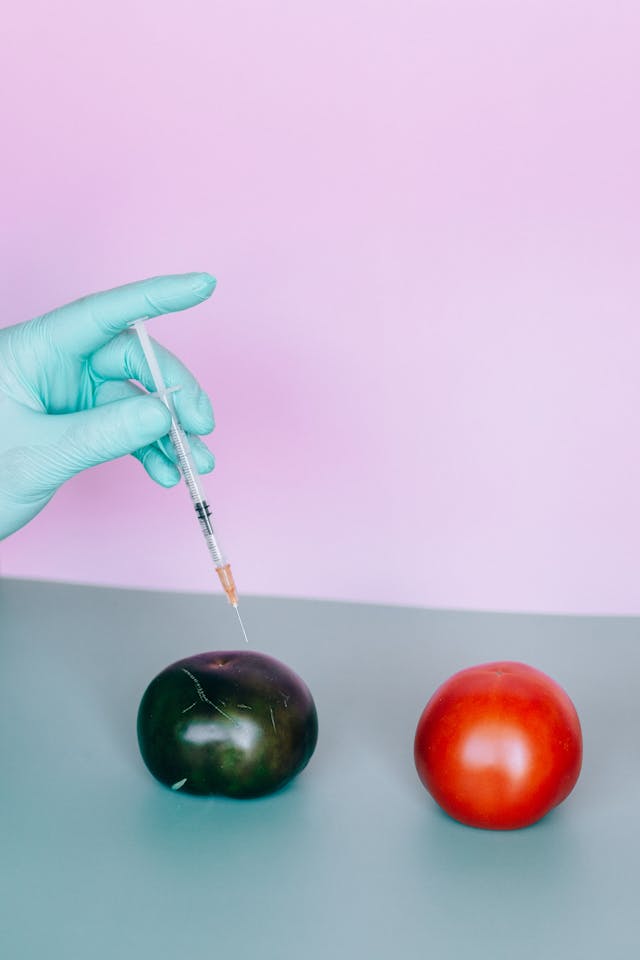
One of the most controversial disadvantages is the potential creation of designer babies—genetically enhanced children engineered for preferred traits like intelligence, height, or appearance.
This raises major ethical questions:
- Who gets access to such technology?
- Should humans have the right to pre-select traits?
- Where do we draw the line between treatment and enhancement?
This can lead to a moral imbalance in society.
4. Social Inequality & Genetic Divide
If gene editing becomes expensive, only wealthy families may benefit, creating a genetic class divide.
- “Genetic privilege” could become a new form of inequality.
- Those who cannot afford gene editing may be seen as inferior or “less evolved.”
This could create a world where economic inequality becomes biological.
5. Potential Misuse of Technology
Like any powerful innovation, gene editing can be misused.
- Governments or organizations might attempt biological enhancements for military or competitive advantage.
- Genetic control could become a tool of discrimination or political dominance.
Even well-intentioned projects could end up being exploited for harmful purposes.
6. Ethical Issues Around Embryo Editing
Editing embryos involves altering the DNA of future generations.
The disadvantages include:
- Permanent modification of the human gene pool
- Possibility of passing unknown defects to unborn children
- Lack of informed consent (since embryos cannot consent)
Many countries prohibit or heavily regulate embryo gene editing because of these concerns.
7. Loss of Natural Genetic Diversity
Natural genetic diversity is crucial for:
- disease resistance,
- adaptation to environments, and
- long-term survival of species.
If humans begin engineering genes to reduce “undesirable” traits, we may unintentionally reduce diversity, making populations more vulnerable to future diseases.
Real-World Examples of Concerns
- CRISPR babies in China (2018): A scientist edited the genes of twins to make them HIV-resistant. This caused global outrage, as the long-term effects were unknown and the experiment was unethical.
- Animal trials: Some edited animals developed unexpected tumors or immune problems—warning signs for human applications.
Conclusion
While gene editing holds extraordinary promise, understanding the disadvantages of gene editing in humans is vital before widespread adoption. Unpredictable mutations, ethical concerns, long-term risks, and potential misuse all remind us that this technology requires responsible, cautious, and regulated use.
As research evolves, the global community must carefully weigh innovation against potential harm.
FAQs
1. Is gene editing safe for humans?
Not fully. While promising, the technology still carries risks like off-target effects and unknown long-term impacts.
2. What are the biggest ethical concerns?
Designer babies, genetic inequality, and embryo editing issues are among the top ethical concerns.
3. Can gene editing be reversed?
In most cases, no. Once DNA is edited—especially in embryos—it becomes a permanent change passed to future generations.
4. Is gene editing legal?
It varies by country. Many nations allow research but ban editing human embryos or altering heritable genes.