Trending News:Medical College Near Home vs Far Away: Which Is Better for Girls and Boys?UTI Symptoms in Older Adults: Why They Look DifferentWhich GLP-1 Is Best for PCOS? Compare Ozempic, Wegovy, Mounjaro & Zepbound for Weight LossBest Supplements for Belly Fat Loss in Men: Compare the Top Options for a Leaner WaistBest Menopause Supplements for Weight Loss & Hot Flashes: Compare the Top Options for Midlife WomenWhat Are 5 Foods to Avoid on the MIND Diet? Protect Your Brain by Cutting These OutTelangana MBBS 2026: The 25-Point College Decision Scorecard — Rank Smarter, Not HarderTelangana MBBS 2026–27 Counselling Guide: How to Stay Calm, Choose the Right Medical College & Make the Best DecisionStudent Alleges 600-Mark Gap Between Expected and Actual Score as Re-NEET 2026 Controversy DeepensMassive Score Discrepancies of Marks: Re-NEET RESULT 2026Millions of Dreams. Years of Hard Work. One Examination. One Question: Who Is Accountable?Hunger Strikes Are Failing – Why Crowd Power is the Only Way ForwardWhy is waist circumference considered a metabolic health marker?RE-NEET 2026: Why Students Deserve Respect, Support, and Better Exam ConditionsDrive Every Pest Out of Your Home with the 2026 Upgraded Ultrasonic Rodent RepellerIs Cockroach Milk Healthier Than Cow Milk? A Complete Nutrition ComparisonThe Surprising Superfood Hidden in a Cockroach: From Gut Crystal to Yeast-Brewed ProteinWhat Is Ebola? A Complete Guide to the Virus, Spread, Symptoms, and PreventionNEET UG 2026 Re-exam on June 21 After Paper Leak Row: NTA Issues Advisory to StudentsNEET re-exam June 21 2026 latest news: Do I Need to Re-Register for the NEET 2026 Re-TestNEET 2026 Paper Leak Latest News: Exam Cancelled, CBI Probe Ordered, and What Happens NextSeparate the Black Sheep: Use Technology to Find the Few Hundred Cheaters and Save 22 Lakh Innocent NEET StudentsIt’s Not Too Late: Why Government Intervention Is Needed to Save 22 Lakh Innocent NEET 2026 StudentsPunish Only the Few Hundred, Not 22 Lakh: A Smarter Path for NEET 2026Punish Only the Few Hundred, Not 22 Lakh: A Smarter Path for NEET 2026NEET 2026 Paper Leak: Why Innocent Students Should Not Pay the Price for System FailuresWhat Is Lahaina Noon? The Rare “Zero Shadow Day” Phenomenon ExplainedZero Shadow Day in My Location 2026: Everything You Need to Know About Lahaina NoonBeyond the Fatigue: Understanding the Unique Side Effects of Night Shift for Female WorkersBeyond the Water Pitcher: Unlocking the Power of Foods that Help Prevent Kidney Stones10 Amazing Benefits of Breaststroke for Ladies You Should KnowSilence the Silent Organ: 7 Foods That Can Damage Your Liver (And What to Eat Instead)Unlocking Wellness: What Are the Health Benefits of Magnesium Supplements?How to Strengthen Nails Quickly: 7 Science-Backed Tips That Actually WorkWhy Young Indians Are Suddenly Developing High Uric Acid LevelsIs AC Good for Heat Stroke? A Critical Guide to Cooling Down SafelyWhat Are the 5 Stages of Heat Stress? A Complete Guide to Spotting Danger EarlyAnaswara Rajan Biography (2026): Age, Movies, Career, and Inspiring Journey🔥 Band Melam Movie Review (2026): A Musical Celebration or Missed Beat?Dhurandhar Movie Review: Hit or Flop?The Eagle Eye: How Nature’s Stealthiest Predator Tracks Moving Targets from Extreme Distances — A Signal Processing PerspectiveGLP-1 Weight Loss Breakthrough: How Semaglutide Is Delivering Safe, Lasting Results in 2026 AZEEM THERMAL ENGINE—Convert any temperature, any scale.(ICSE Grade Decoder—1 se 9 tak ka game)🎯 PERCENT 2 PEAK with GradeGyaanStop Scrolling Conspiracy Theories: What Doctors Actually Say About Adrenochrome”What the Greenland Shark Can Teach Us About Living Beyond 100Yassine Cheuko Net Worth 2025: The Man Who Protects Messi and Earns Millions7 Alarming Disadvantages of Gene Editing in Humans: Risks, Ethics & Real Concerns7 Shocking Reasons Indians Chew Pan Masala—Benefits & Side Effects You Must KnowAjwain Power: 6 Health Benefits That Will Transform Your WellnessBenefits of Wood Apple for Skin: The Hidden Beauty Fruit You Need to TryHow to Reduce Phone Usage at Night: 9 Proven Tips for Better Sleep and FocusWinter Beard Growth Essentials: Grow your facial hair Strong, Not Scraggly🐾 Which Dog Is Illegal in India?Think Betel Leaves Are Harmful? Science Says Otherwise!7 Smart Eating Habits to Lower GGT Levels Naturally“How to Make Perfect Sautéed Mushrooms: Easy, Healthy & Full of Flavor”7 Amazing Benefits of Dehydrated Fruits You Need to KnowEverything You Need to Know About Malunion of a Fractured BoneBest Foods to Support Brain Health & Memory in Frontotemporal DementiaH3N2 Virus (Influenza A): Symptoms, Causes, Treatment & Prevention GuideA Guide to Prioritizing Care in Crisis Situations :Emergency Response Strategy with TRIAGE!Vyommithra Unveiled: 6 Ways This Robotic Marvel Enhances Space Missions“If I die, it is one life, but if I return, I will save nine. khammam floods!5 Essential Insights into “Weight Category in Sports”: Mastering Performance and Training7 Powerful Reasons Why Oil is used in Cooking?Powerful Current Prognostic Biomarkers Revolutionizing Endometrial Cancer Treatment7 Powerful Tips for Speeding Up Ovarian Cancer Operation Recovery10 Powerful Strategies for Managing Placenta Accreta Spectrum DisordersHow Long Do You Have to Be Off Work After a LEEP Procedure? Discover the Surprising Number!10 Heartwarming Easter 2024 Wishes to Brighten Your Day for Joyful Activity!7 Surprising Benefits of Adopting a Halal Diet Today10 Essential Halal Certified Products You Need Now for Guaranteed Quality5 Shocking Disadvantages of Jhatka Meat You Need to KnowThe Ultimate Guide: Understanding What is Kosher Meat and Its Cultural SignificanceThe Top 7 Disadvantages of a Kosher Diet and How to Address ThemTop 7 Powerful Benefits of a Non-Vegetarian Diet You Need to Know10 Surprising Advantages of Kosher Salt You Need to KnowUnlocking the 7 Surprising Scientific Benefits of Halal Meat20 Flavorful Flexitarian Recipes to Spice Up Your Meatless Meals7 Scientific Reasons Why Pork is Considered Haram. Protect your health today! Learn why pork is haram scientifically7 Powerful Facts: Does Endometriosis Go Away ?- Expert InsightsEnhanced Water: A Refreshing Twist on HydrationUnveiling the Magic of Taste Enhancers: Exploring Their Role in the Culinary World5 Shocking Truths About Endocrine Disrupting Chemicals in Skincare You Need to Know15 Powerful Ways to Celebrate Happy Galentine’s Day with Your Best Gals10 Heartfelt Messages for Your New Relationship Valentine’s Day CardStart Today: The Top 3 Secrets to Prevent Belly Fat and Boost HealthCreating an Effective Skincare Routine for Oily Skin: A Comprehensive Guide to Achieving “korean glass skin”Unlock Romance: 10 Best Valentine Gift for Your Girlfriend in 2024Illuminating Beauty: A Guide on How to Use Himalayan Pink Salt on Your FaceDiscover the 7 Powerful Ways Pink Himalayan Salt benefits for Skin and HairCrafting Love: DIY Ideas for the Perfect First Valentine’s Gift for Your Boyfriend; Unlock Heartfelt MomentsThe Risks of Superfood Overindulgence: Unveiling the Side EffectsExploring the World of Buzzworthy Non-Alcoholic Drinks: A Delightful Journey into Flavor and Elevation“Decoding the Adaptogenic Alchemy: Are Medicinal Mushrooms Adaptogens? Unveiling the Truth and the 5 Key Insights”Exploring Nature’s Allies: The Best Adaptogens for Anxiety and DepressionBrewing Elegance: The Pink Starbucks Stanley Tumbler Takes Coffee on a Stylish Journey7 Powerful Steps to How Can I Join a Football Club in India? Unlock Your Football Dreams.
Trending News:Medical College Near Home vs Far Away: Which Is Better for Girls and Boys?UTI Symptoms in Older Adults: Why They Look DifferentWhich GLP-1 Is Best for PCOS? Compare Ozempic, Wegovy, Mounjaro & Zepbound for Weight LossBest Supplements for Belly Fat Loss in Men: Compare the Top Options for a Leaner WaistBest Menopause Supplements for Weight Loss & Hot Flashes: Compare the Top Options for Midlife WomenWhat Are 5 Foods to Avoid on the MIND Diet? Protect Your Brain by Cutting These OutTelangana MBBS 2026: The 25-Point College Decision Scorecard — Rank Smarter, Not HarderTelangana MBBS 2026–27 Counselling Guide: How to Stay Calm, Choose the Right Medical College & Make the Best DecisionStudent Alleges 600-Mark Gap Between Expected and Actual Score as Re-NEET 2026 Controversy DeepensMassive Score Discrepancies of Marks: Re-NEET RESULT 2026Millions of Dreams. Years of Hard Work. One Examination. One Question: Who Is Accountable?Hunger Strikes Are Failing – Why Crowd Power is the Only Way ForwardWhy is waist circumference considered a metabolic health marker?RE-NEET 2026: Why Students Deserve Respect, Support, and Better Exam ConditionsDrive Every Pest Out of Your Home with the 2026 Upgraded Ultrasonic Rodent RepellerIs Cockroach Milk Healthier Than Cow Milk? A Complete Nutrition ComparisonThe Surprising Superfood Hidden in a Cockroach: From Gut Crystal to Yeast-Brewed ProteinWhat Is Ebola? A Complete Guide to the Virus, Spread, Symptoms, and PreventionNEET UG 2026 Re-exam on June 21 After Paper Leak Row: NTA Issues Advisory to StudentsNEET re-exam June 21 2026 latest news: Do I Need to Re-Register for the NEET 2026 Re-TestNEET 2026 Paper Leak Latest News: Exam Cancelled, CBI Probe Ordered, and What Happens NextSeparate the Black Sheep: Use Technology to Find the Few Hundred Cheaters and Save 22 Lakh Innocent NEET StudentsIt’s Not Too Late: Why Government Intervention Is Needed to Save 22 Lakh Innocent NEET 2026 StudentsPunish Only the Few Hundred, Not 22 Lakh: A Smarter Path for NEET 2026Punish Only the Few Hundred, Not 22 Lakh: A Smarter Path for NEET 2026NEET 2026 Paper Leak: Why Innocent Students Should Not Pay the Price for System FailuresWhat Is Lahaina Noon? The Rare “Zero Shadow Day” Phenomenon ExplainedZero Shadow Day in My Location 2026: Everything You Need to Know About Lahaina NoonBeyond the Fatigue: Understanding the Unique Side Effects of Night Shift for Female WorkersBeyond the Water Pitcher: Unlocking the Power of Foods that Help Prevent Kidney Stones10 Amazing Benefits of Breaststroke for Ladies You Should KnowSilence the Silent Organ: 7 Foods That Can Damage Your Liver (And What to Eat Instead)Unlocking Wellness: What Are the Health Benefits of Magnesium Supplements?How to Strengthen Nails Quickly: 7 Science-Backed Tips That Actually WorkWhy Young Indians Are Suddenly Developing High Uric Acid LevelsIs AC Good for Heat Stroke? A Critical Guide to Cooling Down SafelyWhat Are the 5 Stages of Heat Stress? A Complete Guide to Spotting Danger EarlyAnaswara Rajan Biography (2026): Age, Movies, Career, and Inspiring Journey🔥 Band Melam Movie Review (2026): A Musical Celebration or Missed Beat?Dhurandhar Movie Review: Hit or Flop?The Eagle Eye: How Nature’s Stealthiest Predator Tracks Moving Targets from Extreme Distances — A Signal Processing PerspectiveGLP-1 Weight Loss Breakthrough: How Semaglutide Is Delivering Safe, Lasting Results in 2026 AZEEM THERMAL ENGINE—Convert any temperature, any scale.(ICSE Grade Decoder—1 se 9 tak ka game)🎯 PERCENT 2 PEAK with GradeGyaanStop Scrolling Conspiracy Theories: What Doctors Actually Say About Adrenochrome”What the Greenland Shark Can Teach Us About Living Beyond 100Yassine Cheuko Net Worth 2025: The Man Who Protects Messi and Earns Millions7 Alarming Disadvantages of Gene Editing in Humans: Risks, Ethics & Real Concerns7 Shocking Reasons Indians Chew Pan Masala—Benefits & Side Effects You Must KnowAjwain Power: 6 Health Benefits That Will Transform Your WellnessBenefits of Wood Apple for Skin: The Hidden Beauty Fruit You Need to TryHow to Reduce Phone Usage at Night: 9 Proven Tips for Better Sleep and FocusWinter Beard Growth Essentials: Grow your facial hair Strong, Not Scraggly🐾 Which Dog Is Illegal in India?Think Betel Leaves Are Harmful? Science Says Otherwise!7 Smart Eating Habits to Lower GGT Levels Naturally“How to Make Perfect Sautéed Mushrooms: Easy, Healthy & Full of Flavor”7 Amazing Benefits of Dehydrated Fruits You Need to KnowEverything You Need to Know About Malunion of a Fractured BoneBest Foods to Support Brain Health & Memory in Frontotemporal DementiaH3N2 Virus (Influenza A): Symptoms, Causes, Treatment & Prevention GuideA Guide to Prioritizing Care in Crisis Situations :Emergency Response Strategy with TRIAGE!Vyommithra Unveiled: 6 Ways This Robotic Marvel Enhances Space Missions“If I die, it is one life, but if I return, I will save nine. khammam floods!5 Essential Insights into “Weight Category in Sports”: Mastering Performance and Training7 Powerful Reasons Why Oil is used in Cooking?Powerful Current Prognostic Biomarkers Revolutionizing Endometrial Cancer Treatment7 Powerful Tips for Speeding Up Ovarian Cancer Operation Recovery10 Powerful Strategies for Managing Placenta Accreta Spectrum DisordersHow Long Do You Have to Be Off Work After a LEEP Procedure? Discover the Surprising Number!10 Heartwarming Easter 2024 Wishes to Brighten Your Day for Joyful Activity!7 Surprising Benefits of Adopting a Halal Diet Today10 Essential Halal Certified Products You Need Now for Guaranteed Quality5 Shocking Disadvantages of Jhatka Meat You Need to KnowThe Ultimate Guide: Understanding What is Kosher Meat and Its Cultural SignificanceThe Top 7 Disadvantages of a Kosher Diet and How to Address ThemTop 7 Powerful Benefits of a Non-Vegetarian Diet You Need to Know10 Surprising Advantages of Kosher Salt You Need to KnowUnlocking the 7 Surprising Scientific Benefits of Halal Meat20 Flavorful Flexitarian Recipes to Spice Up Your Meatless Meals7 Scientific Reasons Why Pork is Considered Haram. Protect your health today! Learn why pork is haram scientifically7 Powerful Facts: Does Endometriosis Go Away ?- Expert InsightsEnhanced Water: A Refreshing Twist on HydrationUnveiling the Magic of Taste Enhancers: Exploring Their Role in the Culinary World5 Shocking Truths About Endocrine Disrupting Chemicals in Skincare You Need to Know15 Powerful Ways to Celebrate Happy Galentine’s Day with Your Best Gals10 Heartfelt Messages for Your New Relationship Valentine’s Day CardStart Today: The Top 3 Secrets to Prevent Belly Fat and Boost HealthCreating an Effective Skincare Routine for Oily Skin: A Comprehensive Guide to Achieving “korean glass skin”Unlock Romance: 10 Best Valentine Gift for Your Girlfriend in 2024Illuminating Beauty: A Guide on How to Use Himalayan Pink Salt on Your FaceDiscover the 7 Powerful Ways Pink Himalayan Salt benefits for Skin and HairCrafting Love: DIY Ideas for the Perfect First Valentine’s Gift for Your Boyfriend; Unlock Heartfelt MomentsThe Risks of Superfood Overindulgence: Unveiling the Side EffectsExploring the World of Buzzworthy Non-Alcoholic Drinks: A Delightful Journey into Flavor and Elevation“Decoding the Adaptogenic Alchemy: Are Medicinal Mushrooms Adaptogens? Unveiling the Truth and the 5 Key Insights”Exploring Nature’s Allies: The Best Adaptogens for Anxiety and DepressionBrewing Elegance: The Pink Starbucks Stanley Tumbler Takes Coffee on a Stylish Journey7 Powerful Steps to How Can I Join a Football Club in India? Unlock Your Football Dreams.
Why do Indians love pan masala? Get facts on taste, tradition, addiction, benefits, and major health dangers like cancer. Must-read before using!
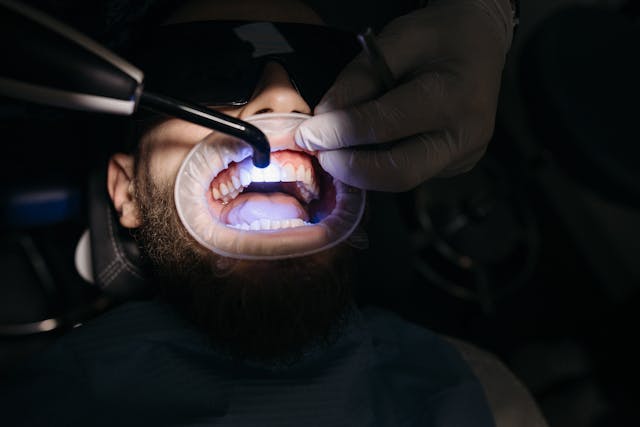
Pan Masala is one of the most widely consumed mouth fresheners in India and South Asia. Whether it’s after a meal or during social gatherings, many people chew pan masala as a habit, tradition, or just for fun. But what exactly makes pan masala so popular — and is it safe to use regularly?
This guide explains the reasons behind pan masala consumption, its ingredients, possible benefits, harmful side effects, and important FAQs.
Some pan masala products are tobacco-free, while others contain nicotine, making them addictive (Gutka is a mix of tobacco + pan masala).
Why Do People Chew Pan Masala?
Reasons
Description
✔ Taste & flavor
Strong mint, sweet, or spicy taste refreshes the mouth
✔ Cultural tradition
Popular in Indian weddings, hospitality, social rituals
✔ Addiction to supari/tobacco
Nicotine/arecoline creates dependency
✔ Stress relief
Chewing provides momentary relaxation
✔ Social influence
Peer pressure, being seen as trendy or macho
✔ Mouth Freshener
Removes strong food odors like onion or garlic
Benefits of Chewing Pan Masala (If Tobacco-Free)
Note: Benefits are short-term and not scientifically strong.
Temporary fresh breath
Increased saliva flow helps digestion after meals
A quick stress reliever for some users
Pleasant taste and mouth freshening effect
Even tobacco-free versions may contain areca nut, which can still be harmful if consumed regularly.
Side Effects of Chewing Pan Masala
If consumed frequently, pan masala — especially those containing tobacco — may lead to serious health issues:
Short-Term Side Effects
Mouth dryness or irritation
Stomach issues like acidity or ulcers
Heartburn and constipation
Teeth staining
Long-Term Side Effects (Major Risks)
Health Issue
Why It Happens
Oral cancer & submucous fibrosis
Areca nut and tobacco damage mouth tissues
Addiction
Nicotine / arecoline creates dependency
Gum disease & tooth loss
Continuous irritation affects dental health
High blood pressure & heart issues
Stimulants increase heart rate
Liver & kidney damage
Toxic chemicals build up in the body
Areca nut is classified as a carcinogen by health experts worldwide.
Is Pan Masala Addictive?
Yes. Products containing tobacco or areca nut are highly addictive. Once the habit is formed, users find it difficult to quit.
Safe Alternatives to Pan Masala
Try switching to:
Sugar-free mouth fresheners
Mint leaves
Fennel seeds (saunf)
Chewing gum (nicotine-free)
Cardamom (elaichi)
These provide freshness without harmful chemicals.
FAQs About Pan Masala
1️⃣ Is tobacco-free pan masala safe?
Not completely. Areca nut alone can still cause oral cancer and gum problems if used daily.
2️⃣ Why do youngsters start chewing pan masala?
Due to peer pressure, advertising appeal, and the belief that it looks stylish or helps relieve stress.
3️⃣ Can pan masala cause oral cancer?
Yes, especially when combined with tobacco or consumed long-term.
4️⃣ How to stop pan masala addiction?
Gradual reduction, counseling, nicotine-free substitutes, and medical support if needed.
5️⃣ Is it legal in India?
Many states ban tobacco-based variants, but availability varies by region.
Conclusion
People chew pan masala for pleasure, cultural reasons, or habit — but health costs are heavy. Occasional use of tobacco-free versions may be less harmful, but regular chewing is dangerous, addictive, and linked to life-threatening diseases.
Your mouth is precious — choose habits that protect it.
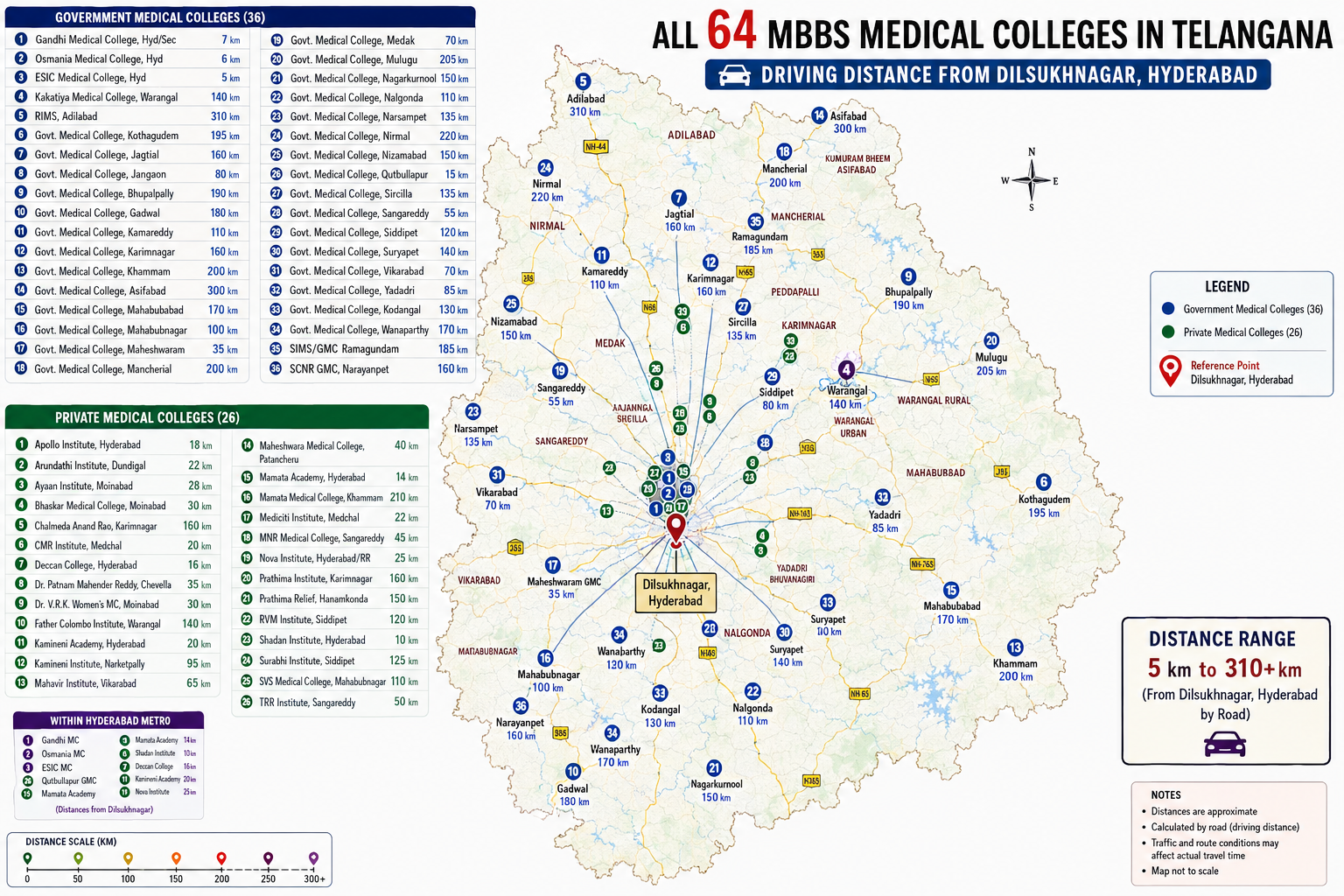
Medical College Near Home vs Far Away: Which Is Better for Girls and Boys?
Medical College Near Home vs Far Away: Which Is Better for Girls and Boys? A comprehensive guide for NEET 2026 aspirants in Telangana & beyond 📑 Table of Contents 1.…
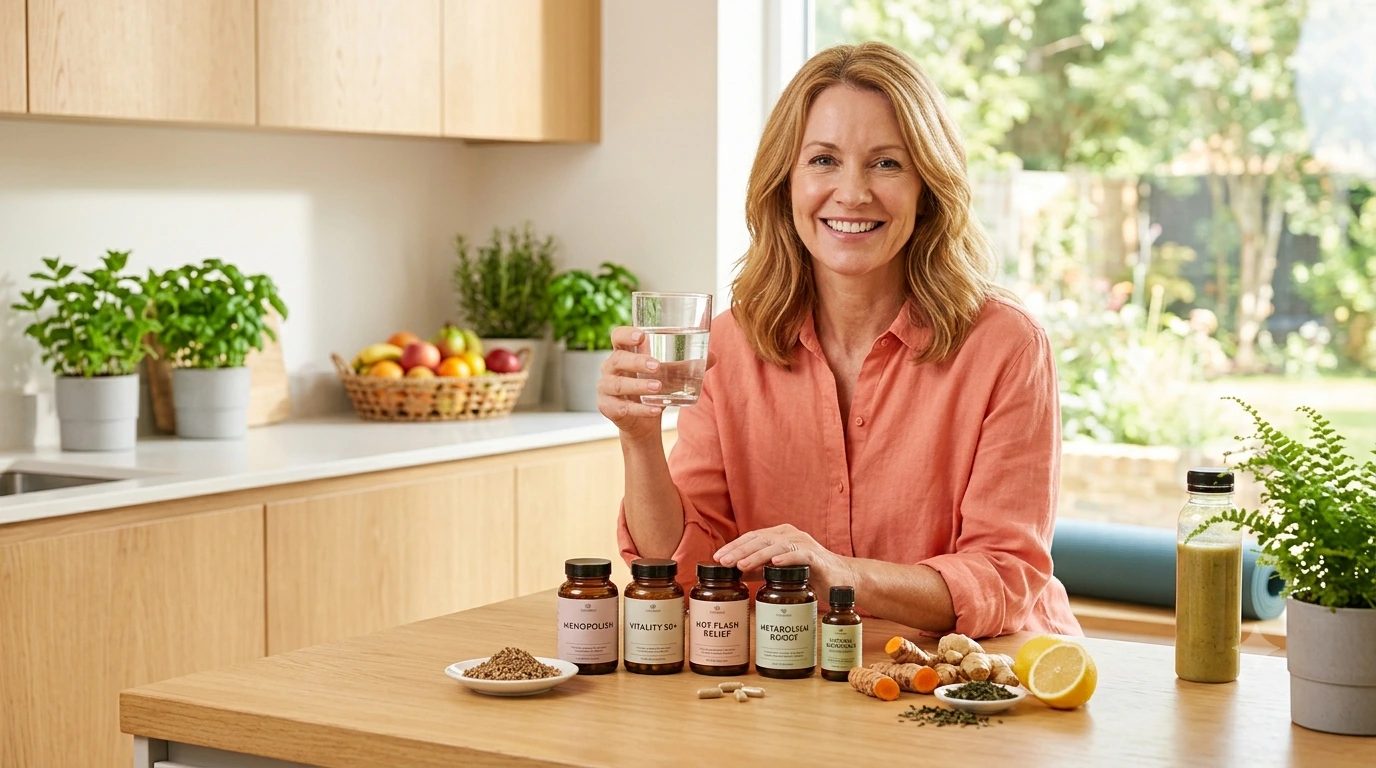
Best Menopause Supplements for Weight Loss & Hot Flashes: Compare the Top Options for Midlife Women
Best Menopause Supplements for Weight Loss & Hot Flashes Updated August 2026 · 9‑minute read · By Menopause Wellness Team ⭐ Google Preferred Source – trusted health content 📑 Table…

 ratminers.in