 ratminers.in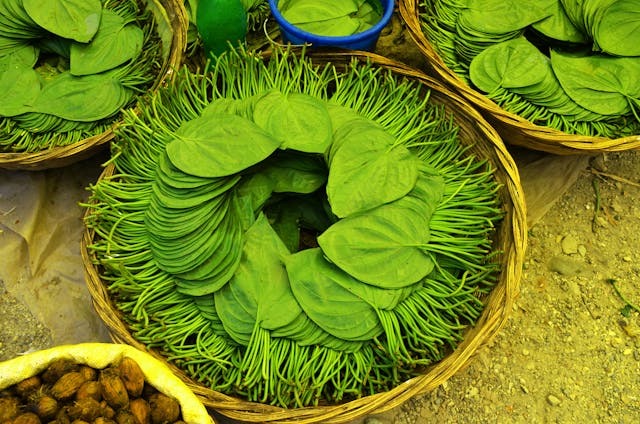
Betel leaves aren’t just for paan! Discover science-backed health benefits of betel leaves for digestion, oral hygiene, and natural healing.
Contrary to popular belief, betel leaves are not harmful when used naturally. Rich in antioxidants, they promote digestion, improve oral hygiene, boost metabolism, and aid wound healing. Science confirms that betel leaves, free from tobacco or additives, are a safe and powerful herbal remedy.
The Power of Betel Leaves: Nature’s Green Remedy for Health and Wellness
Betel leaves, also known as paan leaves (from Piper betle), have been used for centuries across South and Southeast Asia—not just in tradition and ritual, but for their impressive medicinal benefits. More than just a cultural icon, these vibrant green leaves pack antioxidants, healing compounds, and therapeutic properties that make them a potent natural remedy. In this article, we’ll explore the many uses of betel leaves, how they support health, and how you can incorporate them safely into your daily routine.
What Are Betel Leaves?
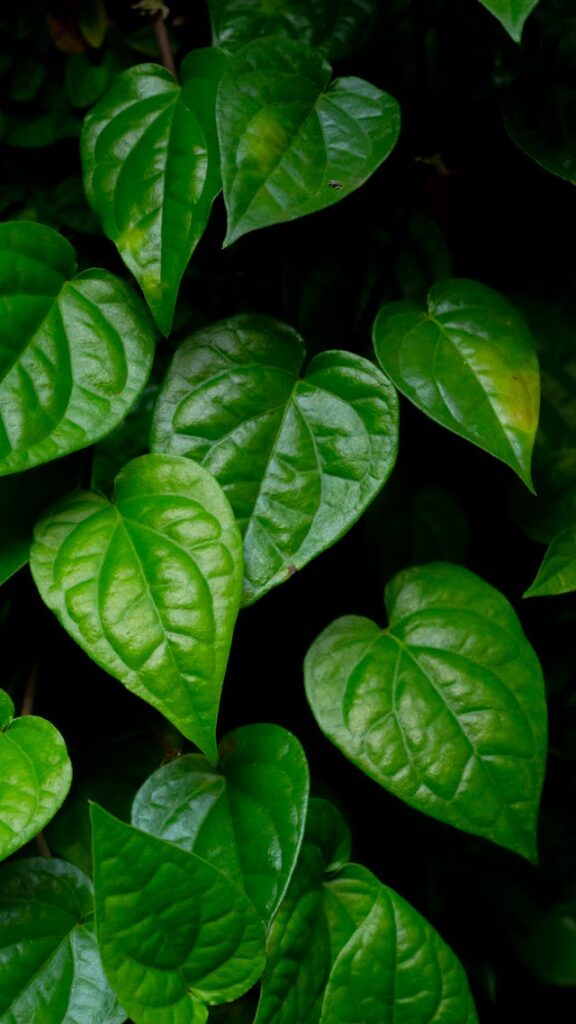
Betel leaves come from a vine that is native to Southeast Asia. They are heart-shaped, glossy, and richly aromatic. Importantly, it’s the leaf itself—when used without harmful additives like tobacco or areca nut—that delivers the health benefits. Traditional systems like Ayurveda and folk medicine have long prescribed betel leaves for digestion, oral hygiene, respiratory health, and more.

Key Health Benefits of Betel Leaves
Here are some of the strongest advantages of betel leaves, supported by both traditional knowledge and recent studies:
- Aids Digestion & Reduces Bloating
Betel leaves stimulate the secretion of digestive enzymes and saliva, which helps break down food and reduce gas, bloating, or indigestion. Chewing a fresh leaf after meals is a common remedy to soothe the stomach. - Oral Hygiene & Fresh Breath
With natural antibacterial, antifungal, and antiseptic properties, betel leaves help fight harmful microbes in the oral cavity. They freshen breath, reduce gum inflammation, and can even help with conditions like toothache or ulcers when applied appropriately. - Supports Respiratory Health
Betel leaves have anti-inflammatory effects that help in alleviating coughs, congestion, bronchitis, and asthma. In traditional practices, steaming with betel leaves or using decoctions helps clear phlegm and soothe the respiratory tract. - Regulates Blood Sugar & Supports Metabolism
Some phytochemical compounds in betel leaves show promise in lowering blood glucose levels, improving insulin sensitivity, and supporting metabolic health. For those managing type-2 diabetes, moderate, safe use can be beneficial. - Anti-Inflammatory, Antioxidant & Wound Healing
Betel leaves are rich in antioxidants and anti-inflammatory molecules like eugenol and polyphenols. This makes them useful in healing wounds, reducing inflammation in joints or skin, and protecting cells from oxidative damage. - Stress Relief & Mental Clarity
Traditional uses suggest that betel leaves may help calm the mind, reduce stress and anxiety, and improve mental clarity. Whether through chewing (without harmful additives), or by using extracts in teas, these leaves are viewed as a mild tonic for the nervous system.
Traditional & Cultural Uses
In many cultures, betel leaves are more than medicine—they’re integral parts of rituals, ceremonies, and even hospitality. For example:
- After-Meal Digestive Rituals: In India and surrounding regions, chewing betel leaf after food is common to aid digestion and freshen breath.
- Postpartum Care: In Ayurveda, new mothers are given betel leaves with ghee and almonds or used as baths or warm poultices to restore strength and aid recovery.
- Natural Mouthwash & Hygiene: Decoctions of betel leaves are used traditionally to clean teeth and mouth, prevent bad breath, and treat sores.

How to Use Betel Leaves Safely
To truly benefit from betel leaves (and avoid risks), it’s essential to use them correctly and in moderation.
- Use plain, fresh leaves: Avoid mixing with areca nut, tobacco, or heavy lime preparations, which are known to cause health harm.
- Chew after meals: A single fresh leaf chewed after meals can aid digestion and freshen the mouth.
- Make herbal tea/decoction: Boil a few leaves, strain and drink or use as a gargle for sore throat or cough.
- Topical application: Crushed leaves used as a poultice can help heal cuts, minor burns, or relieve joint pain.
- Moderation is key: Overuse could lead to irritation or adverse effects, especially for people with sensitive mouths or gastric conditions. Consult a health professional if pregnant, diabetic, or with pre-existing conditions.
Potential Side Effects & Precautions
While betel leaves are largely beneficial when used properly, there are important caveats:
- Combining betel leaves with harmful additives (like tobacco or areca nut) drastically increases the risk of oral cancers and other diseases.
- Overconsumption may cause irritation in the mouth, stomach discomfort, or exacerbate pre-existing ulcers.
- Those pregnant, breastfeeding, or with chronic diseases should seek medical guidance before adding betel leaf remedies to their routine.
Betel leaves are a remarkable example of how nature often packs powerful medicine in the simplest forms. From aiding digestion and boosting metabolism to improving oral health, relieving respiratory discomfort, and promoting wound healing, these leaves have many gifts. Used wisely and naturally, without harmful additives, betel leaves can be a valuable component of holistic wellness.
If you’re curious to try betel leaves, start small. Enjoy one fresh leaf after a meal, or steep a decoction, and observe how your body responds. As always, pairing natural remedies with good diet, sleep, and medical guidance will yield the best results.
Disclaimer:
Dr. Mohammed Abdul Azeem Siddiqui, MBBS
Registered Medical Practitioner (Reg. No. 39739)
With over 30 years of dedicated clinical experience, Dr. Siddiqui has built his career around one clear mission: making quality healthcare affordable, preventive, and accessible.
He is deeply passionate about:
- Early disease diagnosis – empowering patients with timely detection and reducing complications.
- Preventive healthcare – guiding individuals and families towards healthier, longer lives through lifestyle interventions and screenings.
- Affordable treatments – ensuring cost-effective, evidence-based medical solutions that reach people from all walks of life.
Through his blog, Dr. Siddiqui shares practical health insights, early warning signs, and preventive strategies that readers can trust. Every article is rooted in evidence-based medicine and enriched by decades of hands-on clinical practice.
Contact us on: powerofprevention@outlook.com
📌 Disclaimer: The content in this blog is for educational purposes only and should not replace personalized medical consultation. For specific health concerns, please consult your physician.
**********This post contains affiliate links. If you purchase through them, I may earn a small commission at no extra cost to you. Thanks for supporting the blog!***************************************************************