 ratminers.in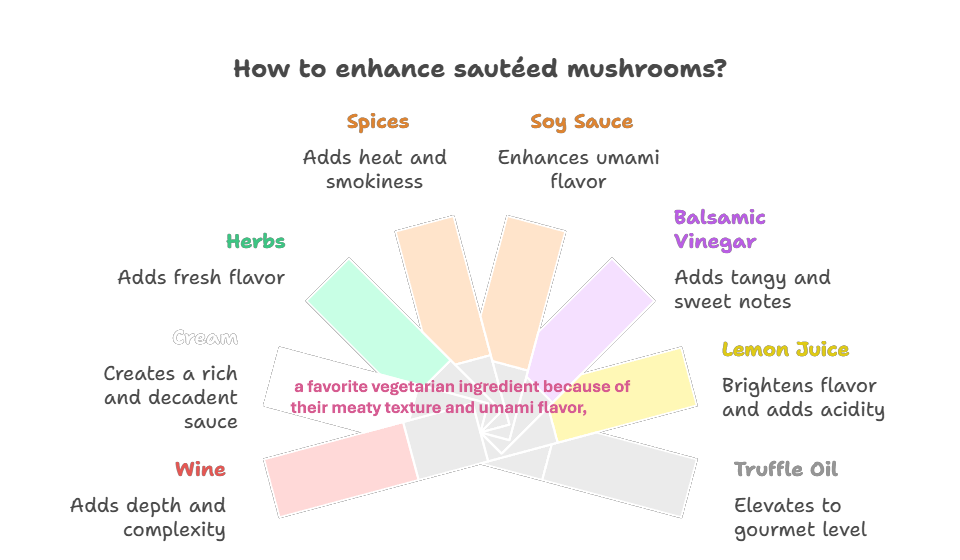
Sautéed Mushrooms: A Culinary Exploration. Learn how to make perfect sautéed mushrooms with garlic, butter, and herbs — a quick, healthy recipe that’s packed with rich flavor and ready in minutes!
This document explores the world of sautéed mushrooms, delving into what they are, the process of making them, variations, and serving suggestions. It aims to provide a comprehensive understanding of this versatile and delicious dish.
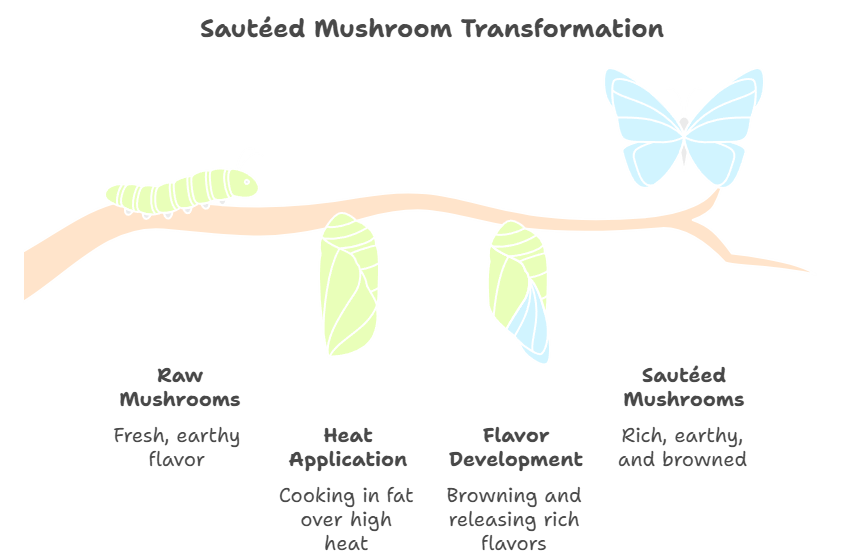
Sautéed mushrooms are a simple yet elegant dish made by cooking mushrooms in a pan with fat, typically butter or oil, over relatively high heat. The goal is to brown the mushrooms and develop their rich, earthy flavor. The process involves careful preparation, proper cooking techniques, and often the addition of aromatics and seasonings to enhance the final product.
❓ FAQ –
All About Sautéed Mushrooms Q1: Which mushrooms are best for sautéing? Cremini, button, and portobello mushrooms work best. They hold texture and absorb flavors beautifully.
Q2: Can I store sautéed mushrooms? Yes! Store them in an airtight container in the fridge for up to 3 days. Reheat in a pan to retain crispiness.
Q3: Can I make them vegan? Absolutely. Replace butter with olive oil or vegan margarine. The flavor remains rich and satisfying.
Q4: How do I prevent sogginess? Use high heat, don’t overcrowd the pan, and add salt only after browning begins.
🧡 Final Thoughts Sautéed mushrooms are the ultimate proof that simple ingredients can create extraordinary flavors. Whether you’re a beginner cook or a seasoned foodie, this quick recipe fits right into your routine — healthy, flavorful, and ready in just minutes.
So the next time you’re craving something warm and comforting, grab your pan, toss in those mushrooms, and let the aroma do the magic!
💡 Variations to Try
If you love experimenting, here are a few flavor twists:
Garlic Butter Mushrooms: Add extra butter and garlic for a rich, indulgent version.
Balsamic Mushrooms: Drizzle balsamic vinegar and reduce for a sweet-tangy glaze.
Spicy Chili Mushrooms: Add chili flakes or a dash of sriracha for a fiery kick.
Creamy Mushrooms: Stir in a spoonful of cream or coconut milk for a luscious texture.
🍄 Introduction: The Magic of a Simple Pan
There’s something almost magical about the smell of garlic and butter sizzling in a pan. Add a handful of mushrooms, and suddenly your kitchen smells like a five-star restaurant.
Sautéed mushrooms are one of those side dishes that go with everything — steak, pasta, toast, or even on their own. They’re easy to make, healthy, and full of umami flavor (that deep, savory taste foodies crave).
In this article, we’ll show you how to make perfectly sautéed mushrooms at home, share the best cooking tips, and even highlight a few commercially available products you can use to make your dish shine.
🧂 What You’ll Need (Ingredients)
Here’s what you’ll need to make these golden, garlicky mushrooms:
2 cups mushrooms (button, cremini, or portobello — your choice!)
1 tablespoon olive oil
1 tablespoon unsalted butter
2 cloves garlic, minced
Salt and pepper to taste
1 teaspoon fresh thyme or parsley, chopped
Optional: splash of balsamic vinegar or soy sauce for extra depth
💡 Tip: You can use a mix of mushrooms for better texture and a richer taste.
🔥 Step-by-Step: How to Cook Sautéed Mushrooms
Step 1: Clean the Mushrooms Properly
Avoid washing mushrooms directly under water; they absorb moisture easily. Instead, wipe them clean with a damp paper towel. This keeps them firm when cooked.
Step 2: Heat the Pan Right
Start with a heavy skillet or cast iron pan. Add olive oil and butter — the combination prevents burning and gives a perfect golden edge.
Step 3: Add the Mushrooms — But Don’t Crowd Them!
Spread mushrooms in a single layer. Let them sit undisturbed for 2–3 minutes before stirring. This helps them brown instead of steam.
Step 4: Add Garlic and Seasoning
Once they turn golden, add garlic, salt, and pepper. Stir gently until the garlic releases its aroma.
Step 5: Add Herbs and Finish with Flair
Sprinkle fresh thyme or parsley. For a flavor boost, add a splash of balsamic vinegar or a few drops of soy sauce. Toss well and serve hot.
🍽️ Serving Ideas
Sautéed mushrooms are incredibly versatile! Try them:
Over buttered toast for a quick snack
As a side dish for grilled chicken, steak, or salmon
Mixed into pasta or risotto
On top of omelets or scrambled eggs
Inside quesadillas, wraps, or tacos for a gourmet twist
🌿 Health Benefits
Besides being delicious, mushrooms are a nutritional powerhouse. They are:
Low in calories but high in flavor
Packed with vitamins B2, B3, and D
A great source of selenium, potassium, and antioxidants
Excellent for immune support and gut health
Cooking them in olive oil and garlic makes this dish both heart-healthy and anti-inflammatory — perfect for everyday meals.
🍄 Pro Tips for Perfect Sautéed Mushrooms
✅ Don’t overcrowd the pan: Mushrooms release moisture. Give them space so they sear, not steam.
✅ Medium-high heat is key: You want sizzling, not soggy.
✅ Add salt later: Salting too early draws out water and makes mushrooms limp.
✅ Finish with butter: It gives that silky restaurant-style finish.
The term “sauté” comes from the French word “sauter,” meaning “to jump.” This refers to the way the food is tossed in the pan during cooking. Sautéing is a quick cooking method that relies on high heat and a small amount of fat to cook food evenly and develop a flavorful crust.
For mushrooms, sautéing is an ideal method because it allows them to release their moisture and then brown beautifully. The key is to avoid overcrowding the pan, which can lead to steaming rather than browning.
Ingredients and Preparation
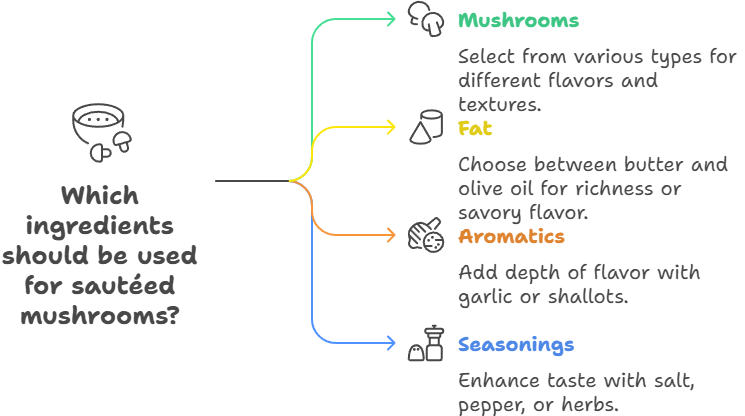
The basic ingredients for sautéed mushrooms are:
Mushrooms: The star of the show! Various types can be used, including cremini (baby bella), white button, shiitake, oyster, and portobello. Each type offers a slightly different flavor and texture.
Fat: Butter, olive oil, or a combination of both are commonly used. Butter adds richness, while olive oil provides a more savory flavor.
Aromatics: Garlic and shallots are popular choices for adding depth of flavor.
Seasonings: Salt and pepper are essential. Other options include herbs like thyme, rosemary, or parsley.
Preparation is crucial:
Cleaning: Gently clean the mushrooms with a damp cloth or brush to remove any dirt. Avoid soaking them in water, as they will absorb it and become soggy.
Slicing: Slice the mushrooms into even pieces. The thickness will affect the cooking time, so consistency is important.
Aromatics: Mince the garlic and shallots finely.
The Cooking Technique
Heat the Pan: Heat the fat in a large skillet over medium-high heat. The pan should be hot enough that a drop of water sizzles and evaporates quickly.
Add Aromatics: Add the minced garlic and shallots to the pan and sauté for about a minute, until fragrant. Be careful not to burn them.
Add Mushrooms: Add the sliced mushrooms to the pan in a single layer. Avoid overcrowding the pan, as this will lower the temperature and cause the mushrooms to steam instead of brown. If necessary, cook the mushrooms in batches.
Cook and Stir: Cook the mushrooms, stirring occasionally, until they release their moisture and then begin to brown. This process can take 8-12 minutes, depending on the type and quantity of mushrooms.
Season: Season the mushrooms with salt, pepper, and any other desired herbs or spices.
Finish: Continue cooking until the mushrooms are tender and nicely browned. If using, add a splash of wine, balsamic vinegar, or lemon juice for extra flavor in the last minute of cooking.
Variations and Additions
Sautéed mushrooms are a versatile dish that can be customized to suit different tastes. Here are some popular variations:
Wine: Adding a splash of dry white or red wine during the cooking process adds depth and complexity.
Cream: Stirring in a dollop of cream or crème fraîche at the end creates a rich and decadent sauce.
Herbs: Fresh herbs like thyme, rosemary, parsley, or chives can be added for extra flavor.
Spices: A pinch of red pepper flakes or smoked paprika can add a touch of heat and smokiness.
Soy Sauce: A dash of soy sauce or tamari can enhance the umami flavor of the mushrooms.
Balsamic Vinegar: A drizzle of balsamic vinegar adds a tangy and slightly sweet note.
Lemon Juice: A squeeze of lemon juice brightens the flavor and adds acidity.
Truffle Oil: A few drops of truffle oil can elevate the dish to a gourmet level.
Serving Suggestions
Sautéed mushrooms can be served in a variety of ways:
Side Dish: As a simple and flavorful side dish for steak, chicken, pork, or fish.
Topping: As a topping for burgers, sandwiches, or pizzas.
Pasta Sauce: Tossed with pasta and a little Parmesan cheese.
Omelets and Frittatas: Added to omelets, frittatas, or quiches.
Bruschetta: Served on toasted bread with a drizzle of olive oil.
Stuffing: Used as an ingredient in stuffing for poultry or vegetables.
Soup: As a component in mushroom soup.
Tips for Perfect Sautéed Mushrooms
Don’t Overcrowd the Pan: Cook the mushrooms in batches if necessary to ensure proper browning.
Use High Heat: Sautéing requires high heat to evaporate the moisture and brown the mushrooms.
Don’t Stir Too Much: Allow the mushrooms to sit undisturbed in the pan for a few minutes at a time to develop a good sear.
Season Generously: Salt is essential for drawing out the moisture and enhancing the flavor of the mushrooms.
Use Fresh Ingredients: Fresh mushrooms, garlic, and herbs will result in the best flavor.
Adjust Seasoning to Taste: Taste the mushrooms throughout the cooking process and adjust the seasoning as needed.
**********************************************************************************************************
**********************************************************************************************************
Conclusion
Sautéed mushrooms are a versatile and delicious dish that can be enjoyed in countless ways. By following the simple techniques and tips outlined in this document, anyone can create perfectly sautéed mushrooms that are bursting with flavor. Whether served as a side dish, topping, or ingredient, sautéed mushrooms are sure to be a crowd-pleaser.
Disclaimer:
Dr. Mohammed Abdul Azeem Siddiqui, MBBS
Registered Medical Practitioner (Reg. No. 39739)
With over 30 years of dedicated clinical experience, Dr. Siddiqui has built his career around one clear mission: making quality healthcare affordable, preventive, and accessible.
He is deeply passionate about:
- Early disease diagnosis – empowering patients with timely detection and reducing complications.
- Preventive healthcare – guiding individuals and families towards healthier, longer lives through lifestyle interventions and screenings.
- Affordable treatments – ensuring cost-effective, evidence-based medical solutions that reach people from all walks of life.
Through his blog, Dr. Siddiqui shares practical health insights, early warning signs, and preventive strategies that readers can trust. Every article is rooted in evidence-based medicine and enriched by decades of hands-on clinical practice.
Contact us on: powerofprevention@outlook.com
📌 Disclaimer: The content in this blog is for educational purposes only and should not replace personalized medical consultation. For specific health concerns, please consult your physician.
**********This post contains affiliate links. If you purchase through them, I may earn a small commission at no extra cost to you. Thanks for supporting the blog!***************************************************************