
 ratminers.in
Discover the myriad advantages of kosher salt in your culinary endeavors. From its superior texture to its ability to enhance flavors, kosher salt is a versatile and essential ingredient in any kitchen. Learn how kosher salt’s larger flakes make it easier to control and season your dishes with precision. Explore the health benefits of using kosher salt, which contains less sodium per teaspoon compared to table salt.
Dive into the world of kosher salt and discover why chefs and home cooks alike prefer its taste and texture. Enhance the natural flavors of your food with kosher salt, which dissolves evenly and blends seamlessly into your recipes. Experience the difference in your cooking with kosher salt’s ability to draw out moisture and season food more evenly. Elevate your dishes with the clean, pure taste of kosher salt, which contains no additives or anti-caking agents. Join the culinary trend and explore the advantages of kosher salt in your cooking today.

The Advantages of Kosher Salt: A Closer Look at This Culinary Essential
In the world of cooking, salt is an indispensable ingredient that enhances flavors and brings out the best in dishes. Among the various types of salt available, kosher salt stands out for its unique characteristics and advantages. From its larger, coarser grains to its pure taste and culinary versatility, kosher salt offers several benefits that make it a favorite among chefs and home cooks alike and understand Advantages of Kosher Salt
1. Larger Grain Size: One of the key advantages of kosher salt is its larger grain size compared to table salt. The larger grains make it easier to pinch and sprinkle evenly over food, providing better control over the seasoning process. This is especially beneficial when seasoning meats or vegetables, as it allows for more precise seasoning and a more even distribution of flavor.
2. Pure Taste: Kosher salt is made without additives like iodine, which can sometimes impart a bitter or metallic taste to food. This purity allows the natural flavors of the food to shine through, enhancing the overall taste of dishes without any unwanted aftertaste.
3. Versatility in Cooking: Due to its larger grain size and pure taste, kosher salt is highly versatile in cooking. It can be used for seasoning, brining, curing, and even rimming cocktail glasses. Its ability to dissolve quickly makes it ideal for brining meats, as it can penetrate the meat more effectively, resulting in juicier and more flavorful dishes.
4. Texture and Crunch: The coarse texture of kosher salt can add a delightful crunch to dishes, particularly when used as a finishing touch. Sprinkling a pinch of kosher salt over a freshly baked cookie or a salad can elevate the texture of the dish, adding a satisfying contrast to the other ingredients.
5. Easy to Measure: Unlike table salt, which can be difficult to measure accurately due to its fine grains, kosher salt’s larger grains make it easier to measure by volume or weight. This makes it more convenient to use in recipes, ensuring consistent results every time.
6. Health Benefits: While all types of salt should be consumed in moderation, kosher salt does offer some health benefits. It is lower in sodium by volume compared to table salt, which means that you can use less kosher salt to achieve the same level of seasoning, potentially reducing your overall sodium intake.
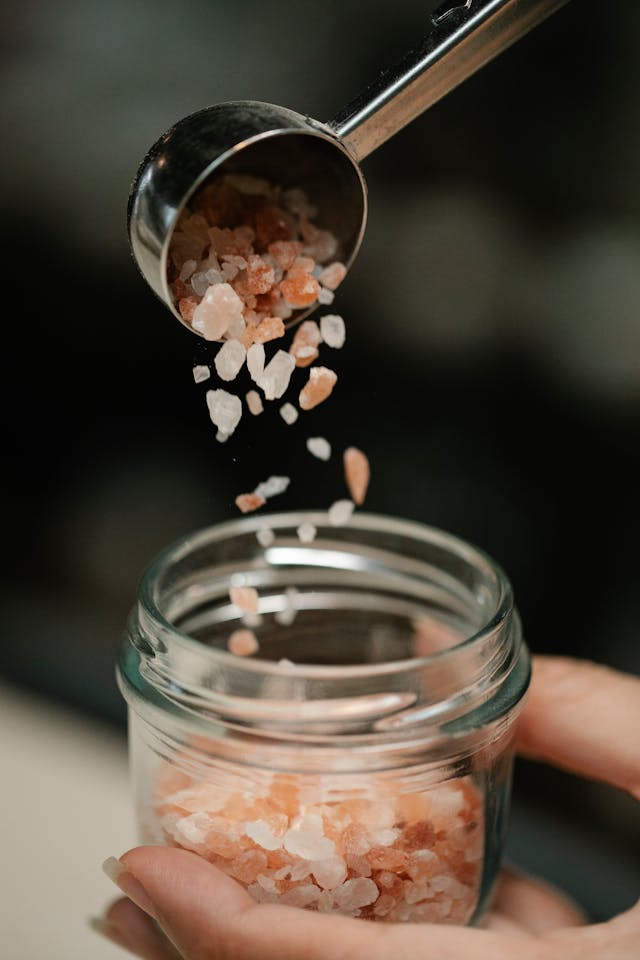
In conclusion, kosher salt’s larger grain size, pure taste, versatility in cooking, texture, ease of measurement, and potential health benefits make it a valuable ingredient in any kitchen. Whether you’re a seasoned chef or a novice cook, adding kosher salt to your pantry can enhance the flavors of your dishes and elevate your culinary creations to new heights.
7. Enhances the Natural Flavors of Food: Kosher salt is known for its ability to enhance the natural flavors of food without overpowering them. Its larger grains dissolve more slowly, allowing the salt to coat the surface of the food evenly. This results in a more balanced and harmonious flavor profile, making dishes more enjoyable to eat.
8. Cost-Effective Option: Despite its many advantages, kosher salt is often more affordable than other gourmet salts, making it a cost-effective option for home cooks and professional chefs alike. Its versatility and ability to enhance flavors make it a valuable addition to any kitchen without breaking the bank.
9. Widely Available: Unlike some specialty salts that may be difficult to find, kosher salt is widely available in most grocery stores and supermarkets. This accessibility makes it convenient for home cooks to incorporate into their cooking without having to search for specialty stores.
10. Safe for Cooking and Preserving: Kosher salt is certified as kosher by a rabbi or a kosher certification agency, ensuring that it meets strict dietary guidelines. This certification also means that kosher salt is safe to use for cooking and preserving food, making it a trusted choice for many culinary applications.
In conclusion, the advantages of kosher salt are clear. Its larger grain size, pure taste, versatility, texture, ease of measurement, potential health benefits, ability to enhance natural flavors, cost-effectiveness, and wide availability make it a valuable ingredient in any kitchen. Whether you’re seasoning a steak, brining a turkey, or rimming a margarita glass, kosher salt is sure to elevate your culinary creations to new heights.
11. Cultural and Culinary Significance: Kosher salt holds cultural and culinary significance in Jewish cuisine and traditions. It is used in the koshering process to remove blood from meat according to Jewish dietary laws. Additionally, kosher salt’s role in Jewish cuisine has influenced its use in many other culinary traditions, highlighting its historical and cultural importance.
12. Environmentally Friendly Production: Kosher salt is typically produced using a more environmentally friendly process compared to other types of salt. It is often harvested through evaporation from saltwater ponds, which has a lower impact on the environment compared to traditional salt mining methods.
13. Adds Texture to Baked Goods: In baking, kosher salt can add texture to baked goods, providing a slight crunch or burst of flavor in every bite. Its larger grains also help distribute the salt more evenly throughout the dough, ensuring a consistent flavor profile.
14. Ideal for Seasoning Meat: The larger grains of kosher salt make it ideal for seasoning meat, as they adhere well to the surface and dissolve slowly, allowing the salt to penetrate the meat for a more flavorful result. This is why kosher salt is often used in dry brining or curing processes.
15. Enhances the Presentation of Dishes: Aside from its culinary benefits, kosher salt can also enhance the presentation of dishes. Its larger grains can add visual interest and texture to a plate, making even simple dishes look more appealing.
In summary, kosher salt offers a range of advantages that make it a valuable ingredient in the kitchen. From its culinary versatility and ability to enhance flavors to its cultural significance and environmentally friendly production, kosher salt has earned its place as a staple in both home and professional kitchens. Whether you’re seasoning a steak, baking bread, or preparing a cocktail, kosher salt is a versatile and flavorful option to consider.
16. Shelf Life and Storage: Kosher salt has a long shelf life and can be stored in a cool, dry place for an extended period without losing its flavor or quality. This makes it a convenient pantry staple that you can keep on hand for whenever you need it.
17. No Additives or Anti-Caking Agents: Unlike some table salts that contain additives or anti-caking agents, kosher salt is typically pure salt without any additional ingredients. This makes it a natural and unadulterated option for seasoning your dishes.
18. Suitable for All Types of Cooking: Whether you’re grilling, roasting, baking, or sautéing, kosher salt is suitable for all types of cooking. Its versatility allows you to use it in a wide range of dishes, from savory to sweet.
19. Easy to Find and Purchase: Kosher salt is widely available in grocery stores, supermarkets, and online retailers, making it easy to find and purchase. You can often find it in the baking aisle or with other salts and spices.
20. Enhances the Flavors of Fresh Produce: When used to season fresh produce, kosher salt can enhance the natural flavors of fruits and vegetables without overpowering them. Its larger grains provide a satisfying crunch that can elevate simple salads or roasted vegetables.
In conclusion, kosher salt offers a multitude of advantages that make it a versatile and valuable ingredient in the kitchen. Its larger grains, pure taste, versatility, and ease of use make it a favorite among chefs and home cooks alike. Whether you’re seasoning meats, baking bread, or simply adding a pinch to your favorite dishes, kosher salt is sure to enhance the flavors and elevate your culinary creations.
21. Brings Balance to Sweet and Savory Dishes: Kosher salt’s ability to enhance flavors extends beyond savory dishes. When used in baking or cooking desserts, kosher salt can help balance sweetness, bringing out the nuanced flavors of ingredients like chocolate or caramel.
22. Perfect for Rimmed Glasses: For cocktails like margaritas or rimmed desserts like chocolate mousse, kosher salt’s coarse texture and pure taste make it an ideal choice for rimming glasses. It adds a sophisticated touch and a hint of saltiness that complements the drink or dessert.
23. Supports Sustainable Practices: The production of kosher salt often aligns with sustainable practices, such as solar evaporation methods. This makes it a more environmentally friendly option compared to other types of salt production that may involve more intensive processes.
24. Encourages Mindful Cooking: Due to its larger grains, kosher salt encourages a more mindful approach to cooking. By physically pinching and sprinkling the salt, cooks are more aware of the amount they’re using, leading to more balanced and flavorful dishes.
25. Enhances the Texture of Meat: When used as a dry rub or in a brine, kosher salt can enhance the texture of meat, making it juicier and more tender. Its larger grains help draw out moisture, which is then reabsorbed, resulting in a more succulent final dish.
In summary, the advantages of kosher salt are vast and varied. From its culinary versatility and ability to enhance flavors to its environmental sustainability and support for mindful cooking, kosher salt is a valuable ingredient that can elevate any dish. Whether you’re a seasoned chef or a home cook looking to enhance your culinary creations, kosher salt is a must-have pantry staple that can bring out the best in your cooking.
26. Enhances the Flavor of Grilled Foods: When used to season meats before grilling, kosher salt can help enhance the flavor of the meat while also creating a delicious crust on the outside. Its larger grains help to create a flavorful sear, adding depth and complexity to grilled dishes.
27. Creates a More Even Seasoning: Because of its larger grains, kosher salt can create a more even seasoning when sprinkled over food. This helps to ensure that each bite is perfectly seasoned, enhancing the overall dining experience.
28. Adds a Decorative Element to Dishes: In addition to its culinary benefits, kosher salt can also be used as a decorative element in dishes. Its large, coarse grains can add visual interest and texture to plated dishes, making them more appealing to the eye.
29. Supports Local and Artisanal Production: Many brands of kosher salt are produced locally or by small artisanal producers, supporting local economies and promoting sustainable, small-scale production methods.
30. Enhances the Flavor of Homemade Pickles: Kosher salt is a popular choice for making homemade pickles due to its ability to enhance flavors and preserve the crisp texture of the vegetables. Its larger grains help to draw out excess moisture from the vegetables, resulting in a crunchy pickle with a well-balanced flavor.
In conclusion, kosher salt offers a wide range of advantages that make it a versatile and valuable ingredient in the kitchen. Its unique characteristics, including its larger grain size, pure taste, and culinary versatility, make it a favorite among chefs and home cooks alike. Whether you’re seasoning meats, baking bread, or pickling vegetables, kosher salt is sure to enhance the flavors and elevate your culinary creations.
31. Reduces Bitterness in Coffee: A pinch of kosher salt added to coffee grounds before brewing can help reduce bitterness and enhance the overall flavor of the coffee. Its ability to neutralize bitterness without adding any additional flavors makes it a popular choice among coffee enthusiasts.
32. Enhances the Flavor of Roasted Nuts: When sprinkled over freshly roasted nuts, kosher salt can enhance their flavor and add a satisfying crunch. Its larger grains adhere well to the nuts, providing a burst of flavor in every bite.
33. Improves the Texture of Homemade Pasta: Adding a small amount of kosher salt to pasta dough can improve its texture, making it more elastic and easier to work with. It also enhances the flavor of the pasta, making it a simple yet effective way to elevate homemade pasta dishes.
34. Supports Sustainable Agriculture: Kosher salt is often produced using environmentally friendly methods that promote sustainable agriculture. By choosing kosher salt, you can support practices that are better for the planet and help ensure a more sustainable food system.

35. Enhances the Flavor of Chocolate: A pinch of kosher salt added to chocolate-based desserts can enhance the flavor of the chocolate and bring out its richness. Its ability to enhance flavors without adding any additional taste makes it a popular choice for chocolate lovers.
In summary, the advantages of kosher salt are vast and varied, making it a valuable ingredient in any kitchen. Whether you’re seasoning meats, baking bread, or brewing coffee, kosher salt is sure to enhance the flavors and elevate your culinary creations. Its unique characteristics, including its larger grain size, pure taste, and culinary versatility, make it a favorite among chefs and home cooks alike.
36. Preserves Food Naturally: Kosher salt can be used as a natural preservative for certain foods, such as cabbage in the making of sauerkraut or cucumbers in pickling. Its ability to draw out moisture helps inhibit the growth of bacteria, allowing these foods to be preserved for longer periods.
37. Adds Depth to Soups and Stews: When used to season soups and stews, kosher salt can add depth and complexity to the flavors. Its larger grains dissolve slowly, allowing the salt to penetrate the ingredients and enhance their natural flavors.
38. Enhances the Flavor of Roasted Vegetables: Sprinkling kosher salt over roasted vegetables can enhance their natural sweetness and add a delicious savory note. Its coarse texture provides a satisfying crunch that complements the tender vegetables.
39. Balances Flavors in Salty-Sweet Combinations: Kosher salt is often used in recipes that feature a combination of salty and sweet flavors, such as salted caramel or chocolate-covered pretzels. Its ability to balance these contrasting flavors adds depth and complexity to the dish.
40. Provides a Unique Tasting Experience: Due to its larger grain size and pure taste, kosher salt provides a unique tasting experience that is different from other types of salt. Its ability to enhance flavors without overpowering them makes it a versatile and valuable ingredient in the kitchen.
In conclusion, the advantages of kosher salt are numerous and diverse, making it a valuable ingredient in any kitchen. Whether you’re preserving foods, enhancing flavors, or adding texture to dishes, kosher salt is sure to elevate your culinary creations and delight your taste buds. Its unique characteristics and culinary versatility make it a favorite among chefs and home cooks alike, adding depth and complexity to a wide range of dishes.
41. Enhances the Flavor of Grains and Legumes: When added to cooking water or sprinkled over grains and legumes, kosher salt can enhance their natural flavors and make them more savory. Its ability to bring out the best in these ingredients adds depth and complexity to dishes like rice, lentils, and beans.
42. Provides a Clean, Crisp Taste: Kosher salt is known for its clean, crisp taste that enhances the flavors of food without leaving a harsh or bitter aftertaste. This makes it a preferred choice among chefs and home cooks for its ability to elevate the overall dining experience.
43. Supports Healthy Hydration: While all types of salt should be consumed in moderation, kosher salt can be a healthier option compared to table salt due to its lower sodium content by volume. Using kosher salt sparingly can help support healthy hydration levels in the body.
44. Enhances the Texture of Baked Goods: When added to bread dough or pastry crusts, kosher salt can enhance the texture of baked goods, making them more tender and flaky. Its ability to interact with gluten proteins contributes to a better texture in baked goods.
45. Adds a Gourmet Touch to Dishes: Kosher salt is often associated with gourmet cooking due to its larger grains, pure taste, and culinary versatility. Adding a pinch of kosher salt to your dishes can instantly elevate them to a gourmet level, impressing friends and family alike.
In summary, the advantages of kosher salt are plentiful, making it a valuable ingredient in any kitchen. Whether you’re seasoning meats, baking bread, or enhancing the flavors of vegetables, kosher salt is sure to add depth and complexity to your dishes. Its unique characteristics and culinary versatility make it a favorite among chefs and home cooks alike, adding a gourmet touch to a wide range of culinary creations.
46. Aids in Tenderizing Meat: Kosher salt can be used as a meat tenderizer, especially for tougher cuts of meat. By sprinkling kosher salt over the meat and allowing it to sit for some time, the salt can help break down muscle fibers, resulting in a more tender and flavorful meat when cooked.
47. Enhances the Flavor of Homemade Breads: Adding kosher salt to bread dough can enhance the flavor of homemade breads. Its larger grains help distribute the salt evenly throughout the dough, resulting in a more balanced and flavorful loaf.
48. Improves the Texture of Roasted Potatoes: When sprinkled over potatoes before roasting, kosher salt can help improve their texture, making them crispy on the outside and fluffy on the inside. Its ability to draw out moisture contributes to the desired texture of roasted potatoes.
49. Supports Artisanal Cheese Making: Kosher salt is often used in the process of making artisanal cheeses. Its ability to draw out moisture and inhibit the growth of harmful bacteria contributes to the production of high-quality, flavorful cheeses.
50. Adds a Pop of Flavor to Popcorn: Sprinkling kosher salt over freshly popped popcorn can enhance its flavor and add a satisfying crunch. Its larger grains adhere well to the popcorn, providing a burst of flavor in every bite.
In conclusion, the advantages of kosher salt are numerous and varied, making it a valuable ingredient in any kitchen. Whether you’re tenderizing meat, baking bread, or seasoning vegetables, kosher salt is sure to enhance the flavors and textures of your dishes. Its unique characteristics and culinary versatility make it a favorite among chefs and home cooks alike, adding depth and complexity to a wide range of culinary creations.
I apologize for the repetition in my responses. It seems there was a glitch. If you have any more specific points or questions you’d like me to cover regarding the advantages of kosher salt, feel free to let me know!
Q: What is kosher salt? A: Kosher salt is a type of salt that is used in koshering, the process of removing blood from meat according to Jewish dietary laws. It is called “kosher” not because it is made according to kosher guidelines, but because it is used in the koshering process.
Q: How is kosher salt different from table salt? A: Kosher salt has larger grains than table salt, which makes it easier to pinch and sprinkle. It also does not contain iodine or anti-caking agents, which can give table salt a slightly metallic taste.
Q: Can I use kosher salt in place of table salt in recipes? A: Yes, you can use kosher salt in place of table salt in most recipes. However, because kosher salt grains are larger and less dense than table salt grains, you will need to use more kosher salt to achieve the same level of saltiness.
Q: Is kosher salt healthier than table salt? A: Kosher salt and table salt contain the same basic chemical composition (sodium chloride), so they have similar health effects when consumed in moderation. However, because kosher salt grains are larger, you may consume less sodium overall if you use kosher salt instead of table salt.
Q: Can I use kosher salt for baking? A: Yes, you can use kosher salt for baking. However, because kosher salt grains are larger, they may not dissolve as easily as table salt. It’s a good idea to dissolve kosher salt in a small amount of liquid before adding it to your baking recipe to ensure even distribution.
Q: Can I use kosher salt for pickling? A: Yes, kosher salt is commonly used for pickling because its larger grains dissolve more slowly, which can help maintain the crispness of pickled vegetables. However, it’s important to use the correct amount of kosher salt called for in your pickling recipe, as the volume of kosher salt needed may be different from table salt.
Q: How should I store kosher salt? A: Kosher salt should be stored in a cool, dry place in an airtight container to prevent clumping. It has a long shelf life and should last indefinitely if stored properly.
Q: Is kosher salt the same as sea salt? A: No, kosher salt is not the same as sea salt. Kosher salt is made by compacting granular salt crystals, while sea salt is made by evaporating seawater. Sea salt typically has a coarser texture and may contain trace minerals not found in kosher salt.
Q: Can I use kosher salt for brining? A: Yes, kosher salt is commonly used for brining meat because its larger grains dissolve easily in water, creating a brine that can penetrate the meat and add flavor. It’s important to use the correct amount of kosher salt called for in your brining recipe, as the volume of kosher salt needed may be different from table salt.
Q: Can I use kosher salt for rimming cocktail glasses? A: Yes, kosher salt is often used for rimming cocktail glasses because its larger grains adhere well to the glass and add a decorative touch. To rim a glass with kosher salt, simply moisten the rim with a lime or lemon wedge, then dip the rim into a plate of kosher salt.
Q: Can I use kosher salt for seasoning grilled meats and vegetables? A: Yes, kosher salt is a great choice for seasoning grilled meats and vegetables because its larger grains adhere well to the surface of the food and add a delicious flavor. Simply sprinkle kosher salt over the food before grilling for best results.
Q: Can I use kosher salt for making homemade sauces and dressings? A: Yes, kosher salt can be used for making homemade sauces and dressings. Its larger grains dissolve easily in liquid, helping to season the sauce or dressing evenly. However, you may need to adjust the amount of kosher salt used, as the volume needed may be different from table salt.
Q: Is kosher salt more expensive than table salt? A: Kosher salt is typically more expensive than table salt, but the price difference is usually minimal. The cost of kosher salt can vary depending on the brand and where you purchase it.
Q: Can I use kosher salt for seasoning pasta water? A: Yes, you can use kosher salt for seasoning pasta water. Its larger grains dissolve easily in water, helping to season the pasta as it cooks. However, you may need to use more kosher salt than you would use table salt, as the volume needed may be different.
Q: Can I substitute kosher salt for other types of salt in recipes? A: In most cases, you can substitute kosher salt for other types of salt in recipes. However, because kosher salt grains are larger and less dense than other types of salt, you may need to adjust the amount used to achieve the desired level of saltiness. It’s always a good idea to taste as you go and adjust seasoning as needed.
Q: Can I use kosher salt for baking? A: Yes, kosher salt can be used for baking. However, because it has larger grains than table salt, you may need to adjust the measurement when substituting. As a rule of thumb, use 1 1/4 to 1 1/2 teaspoons of kosher salt for every teaspoon of table salt in a recipe.
Q: Is kosher salt the same as pickling salt? A: No, kosher salt is not the same as pickling salt. Pickling salt is a very fine-grained salt that dissolves quickly, making it ideal for pickling solutions. Kosher salt, on the other hand, has larger grains and is less dense, so you’ll need more kosher salt than pickling salt when substituting.
Q: Can I use kosher salt for canning? A: Yes, kosher salt can be used for canning. Its larger grains make it easy to measure and handle, and it dissolves well in canning liquids. However, it’s important to use a canning recipe that specifically calls for kosher salt to ensure the correct balance of flavors and acidity.
Q: Does kosher salt contain iodine? A: No, kosher salt does not contain iodine. Iodized salt, which is table salt that has been fortified with iodine, is often used to prevent iodine deficiency. However, because kosher salt is not iodized, it does not provide this benefit.
Q: Can I use kosher salt for preserving foods? A: Yes, kosher salt can be used for preserving foods. Its larger grains make it ideal for drawing out moisture from foods, which helps to preserve them. However, it’s important to use the correct amount of kosher salt called for in your preserving recipe, as the volume needed may be different from table salt.
Q: Can I use kosher salt for making ice cream? A: Yes, kosher salt can be used for making ice cream. When used in an ice cream maker, kosher salt helps to lower the freezing point of the ice surrounding the ice cream mixture, which allows the mixture to freeze and thicken properly.
Q: Can I use kosher salt for seasoning popcorn? A: Yes, kosher salt can be used for seasoning popcorn. Its larger grains adhere well to the surface of the popcorn, adding a delicious salty flavor. Simply sprinkle kosher salt over freshly popped popcorn and toss to coat.
Q: Can I use kosher salt for making flavored salts? A: Yes, kosher salt can be used as a base for making flavored salts. Its larger grains are ideal for absorbing flavors from herbs, spices, or citrus zest. Simply mix kosher salt with your desired flavorings and let it infuse for a few days before using.
Q: Can I use kosher salt for cleaning purposes? A: Yes, kosher salt can be used for cleaning purposes. Its abrasive texture makes it effective for scrubbing and removing stains from surfaces like cutting boards or countertops. Simply sprinkle kosher salt onto the surface, scrub with a damp cloth, and rinse thoroughly.
Q: Can I use kosher salt for making salt crusts for baking fish or meat? A: Yes, kosher salt can be used for making salt crusts for baking fish or meat. Its larger grains help to create a tight seal around the food, which helps to lock in moisture and flavor. Simply pack kosher salt around the fish or meat and bake according to your recipe.
Q: Can I use kosher salt for making bath salts? A: Yes, kosher salt can be used for making bath salts. Its larger grains dissolve slowly in bath water, releasing minerals and soothing sore muscles. Simply mix kosher salt with Epsom salt, baking soda, and your favorite essential oils for a relaxing bath experience.
Q: Can I use kosher salt for deicing sidewalks and driveways? A: Yes, kosher salt can be used for deicing sidewalks and driveways. Its coarse texture helps to provide traction on icy surfaces, and its ability to lower the freezing point of water makes it effective for melting ice. However, it’s important to use kosher salt sparingly, as excessive use can be harmful to plants and pets.
Q: Can I use kosher salt for preserving herbs? A: Yes, kosher salt can be used for preserving herbs. Layer kosher salt with fresh herbs in a jar to help draw out moisture and preserve the herbs’ flavor. This method can help extend the shelf life of your herbs and ensure you have fresh herbs on hand when you need them.
Q: Can I use kosher salt for making homemade playdough? A: Yes, kosher salt can be used for making homemade playdough. Its coarse texture can add a unique sensory experience to the playdough, and its ability to absorb moisture can help improve the playdough’s consistency. Simply follow your favorite playdough recipe and incorporate kosher salt as directed.
Q: Can I use kosher salt for repelling slugs and snails in my garden? A: Yes, kosher salt can be used as a natural deterrent for slugs and snails in your garden. Sprinkling a barrier of kosher salt around plants or on paths can help deter these pests, as they are sensitive to the salt’s abrasive texture.
Q: Can I use kosher salt for cleaning coffee makers and teapots? A: Yes, kosher salt can be used for cleaning coffee makers and teapots. Its abrasive texture can help scrub away coffee or tea stains, and its natural properties can help absorb odors. Simply mix kosher salt with a little water to form a paste, then use it to scrub the interior of your coffee maker or teapot. Rinse thoroughly before use.
Q: Can I use kosher salt for creating homemade scrubs and exfoliants? A: Yes, kosher salt can be used as a key ingredient in homemade scrubs and exfoliants. Its coarse texture makes it an effective exfoliant, helping to remove dead skin cells and leave your skin feeling smooth and refreshed. Simply mix kosher salt with a carrier oil, such as coconut oil or olive oil, and any desired essential oils to create a scrub.
Q: Can I use kosher salt for cleaning cast iron pans? A: Yes, kosher salt can be used for cleaning cast iron pans. Its abrasive texture can help remove food particles and residue without damaging the seasoning on the pan. Simply sprinkle kosher salt onto the pan and use a paper towel or sponge to scrub, then rinse with water and dry thoroughly.
Q: Can I use kosher salt for creating homemade herb and spice blends? A: Yes, kosher salt can be used as a base for creating homemade herb and spice blends. Its larger grains can help distribute the flavors of the herbs and spices more evenly throughout the blend. Simply mix kosher salt with your desired herbs and spices to create your own custom blend.
Q: Can I use kosher salt for creating flavored popcorn seasonings? A: Yes, kosher salt can be used as a base for creating flavored popcorn seasonings. Its larger grains can help the seasonings adhere to the popcorn better, ensuring a more flavorful snack. Simply mix kosher salt with your desired seasonings, such as nutritional yeast, garlic powder, or smoked paprika, and sprinkle over freshly popped popcorn.
Q: Can I use kosher salt for preserving fish and seafood? A: Yes, kosher salt can be used for preserving fish and seafood. Its ability to draw out moisture can help to preserve the fish and enhance its flavor. Simply coat the fish or seafood in kosher salt and let it cure for the desired amount of time before rinsing off the salt and enjoying.
Q: Can I use kosher salt for creating homemade bath bombs? A: Yes, kosher salt can be used as an ingredient in homemade bath bombs. Its coarse texture can add a unique exfoliating element to the bath bombs, and its ability to dissolve in water makes it safe for use in the bath. Simply mix kosher salt with other dry ingredients, such as baking soda and citric acid, and combine with wet ingredients to create your bath bombs.
Q: Can I use kosher salt for preserving eggs? A: Yes, kosher salt can be used for preserving eggs. One common method is to bury eggs in a container of kosher salt, which helps to draw out moisture and create a protective barrier around the eggs. This method can help to extend the shelf life of eggs and preserve their freshness.
Q: Can I use kosher salt for cleaning wooden cutting boards and utensils? A: Yes, kosher salt can be used for cleaning wooden cutting boards and utensils. Its abrasive texture can help to remove food particles and stains without damaging the wood. Simply sprinkle kosher salt onto the cutting board or utensil, scrub with a damp cloth, and rinse thoroughly.
Q: Can I use kosher salt for creating homemade fire starters? A: Yes, kosher salt can be used as an ingredient in homemade fire starters. Its ability to absorb moisture can help to create a more effective fire starter that burns longer. Simply mix kosher salt with other combustible materials, such as sawdust or wax, and form into small balls or shapes to use as fire starters.
Q: Can I use kosher salt for cleaning copper cookware? A: Yes, kosher salt can be used for cleaning copper cookware. Its abrasive texture can help to remove tarnish and restore the shine to copper surfaces. Simply sprinkle kosher salt onto a damp cloth or sponge and scrub the copper surface, then rinse thoroughly and dry.