 ratminers.in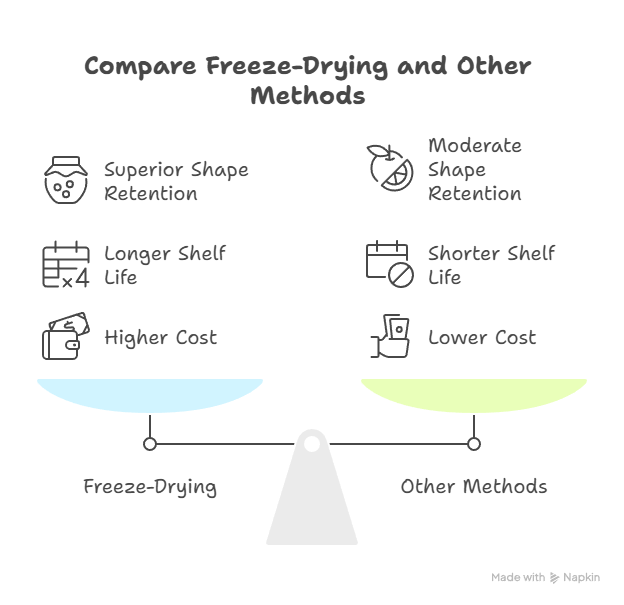
What Are Dehydrated Fruits?
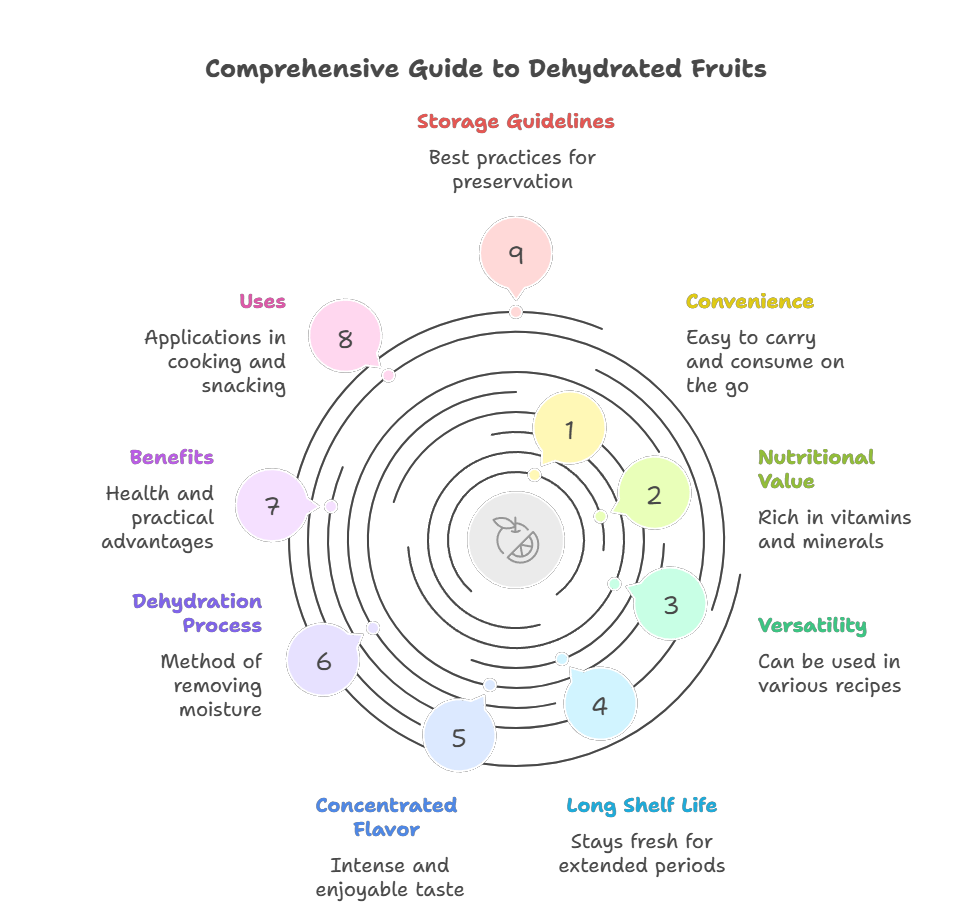
This document provides a comprehensive overview of dehydrated fruits, covering their definition, the dehydration process, nutritional aspects, benefits, uses, and storage. It aims to offer a clear understanding of this popular and convenient food option.
Dehydrated fruits are fruits that have had the majority of their water content removed through a drying process. This process significantly reduces the fruit’s size and weight, making it a convenient and portable snack. Dehydration also inhibits the growth of bacteria, yeast, and mold, preventing spoilage and allowing for a much longer shelf life compared to fresh fruit.
The Dehydration Process
The primary goal of dehydration is to remove moisture from the fruit while preserving its flavor, color, and nutritional value as much as possible. Several methods can be used to achieve this:
Sun Drying: This is the oldest and most traditional method. Fruits are spread out on trays and left in direct sunlight for several days or weeks. This method is inexpensive but can be slow and is dependent on weather conditions. It also carries a higher risk of contamination from insects and dust.
Oven Drying: Fruits are placed on baking sheets and dried in a low-temperature oven (typically between 130°F and 170°F or 54°C and 77°C) for several hours. This method is more controlled than sun drying but can be energy-intensive.
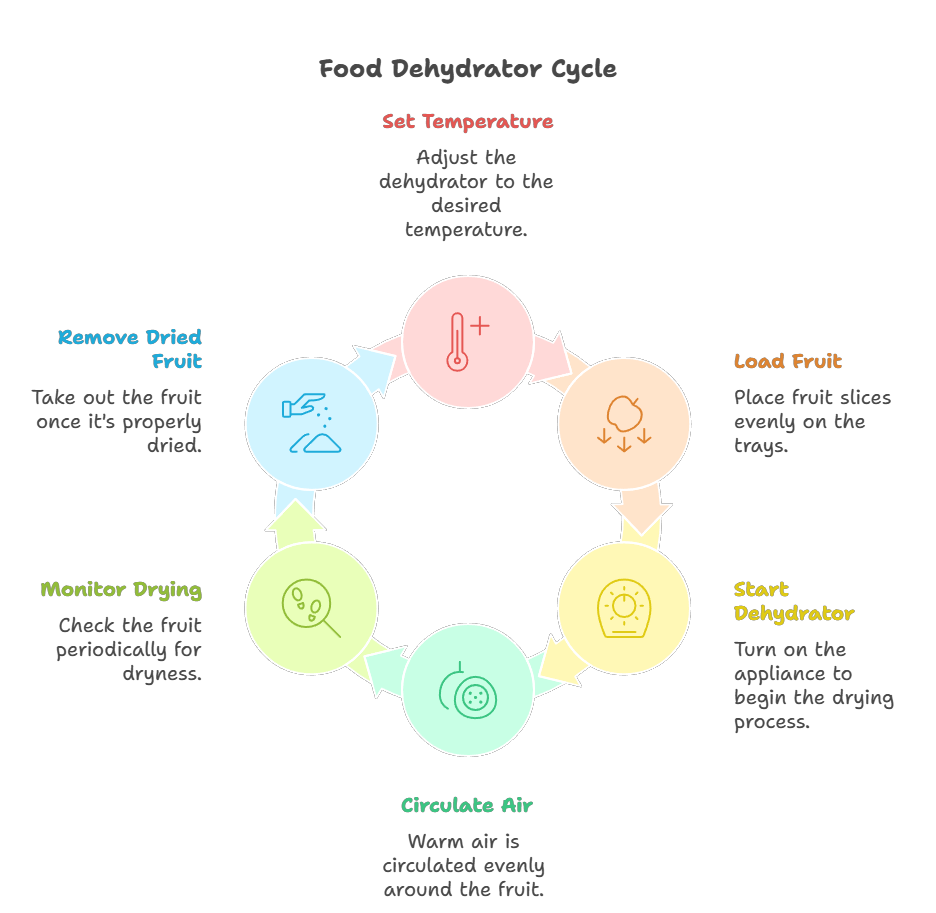
Food Dehydrator: This is a specialized appliance designed specifically for dehydrating food. It uses a low-temperature heating element and a fan to circulate warm air evenly around the fruit, resulting in consistent and efficient drying. Food dehydrators offer precise temperature control and are considered the most effective method for home dehydration.
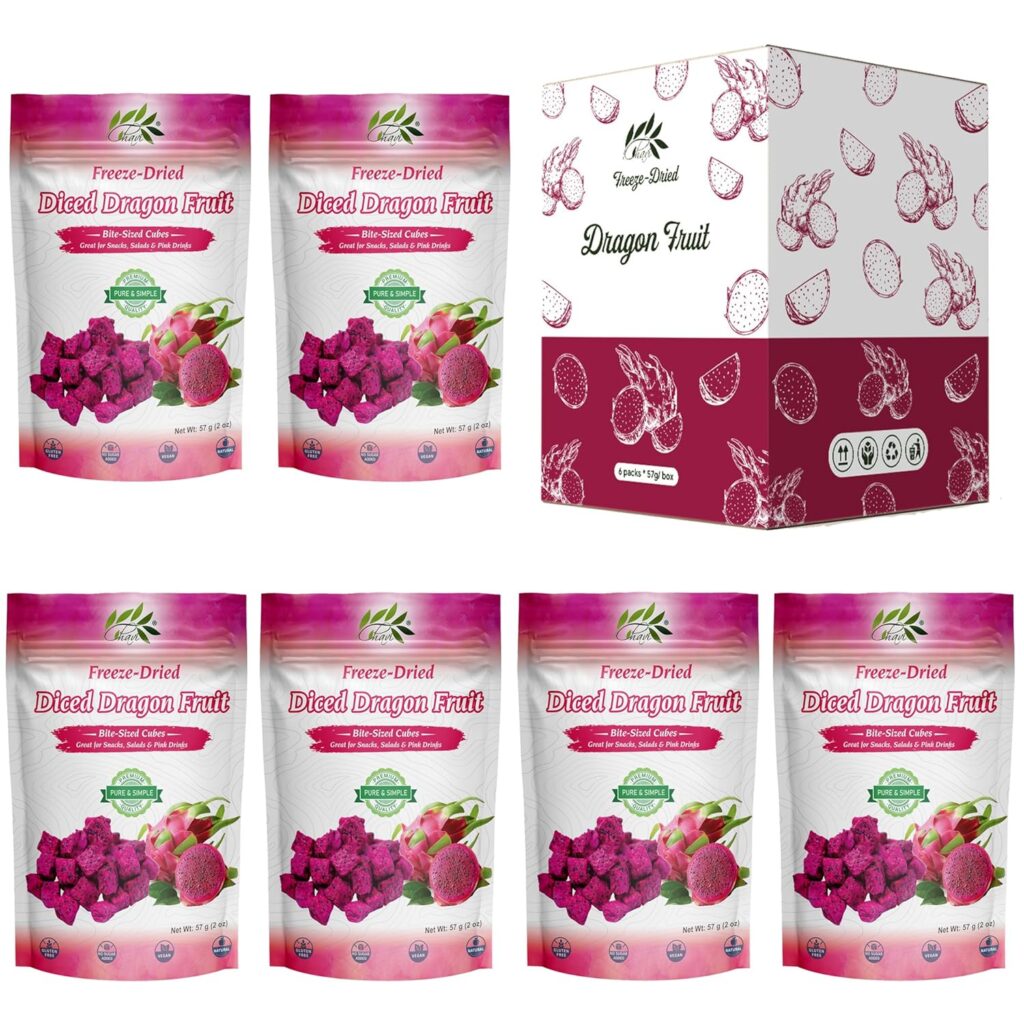
Freeze-Drying: This method involves freezing the fruit and then subjecting it to a vacuum, which causes the water to sublimate (transition directly from a solid to a gas). Freeze-dried fruits retain their shape and color better than other methods and have a very long shelf life. However, this method is more expensive and typically used commercially.
Nutritional Aspects
While dehydration concentrates the sugars and calories in fruit, it also preserves many of its essential nutrients.
Vitamins and Minerals: Dehydrated fruits retain a significant portion of their vitamins and minerals, including vitamin A, vitamin C, potassium, and iron. However, some vitamins, particularly vitamin C, can be lost during the drying process due to heat exposure.
Fiber: Dehydration concentrates the fiber content of fruits, making them a good source of dietary fiber. Fiber is essential for digestive health and can help regulate blood sugar levels.
Antioxidants: Many fruits are rich in antioxidants, which help protect the body against damage from free radicals. Dehydration can help preserve these antioxidants, although some may be lost depending on the drying method.
Sugar Content: It’s important to note that dehydrated fruits are significantly higher in sugar than fresh fruits due to the concentration of natural sugars during the drying process. Therefore, it’s crucial to consume them in moderation, especially for individuals with diabetes or those watching their sugar intake.
Benefits of Dehydrated Fruits
Dehydrated fruits offer several advantages:
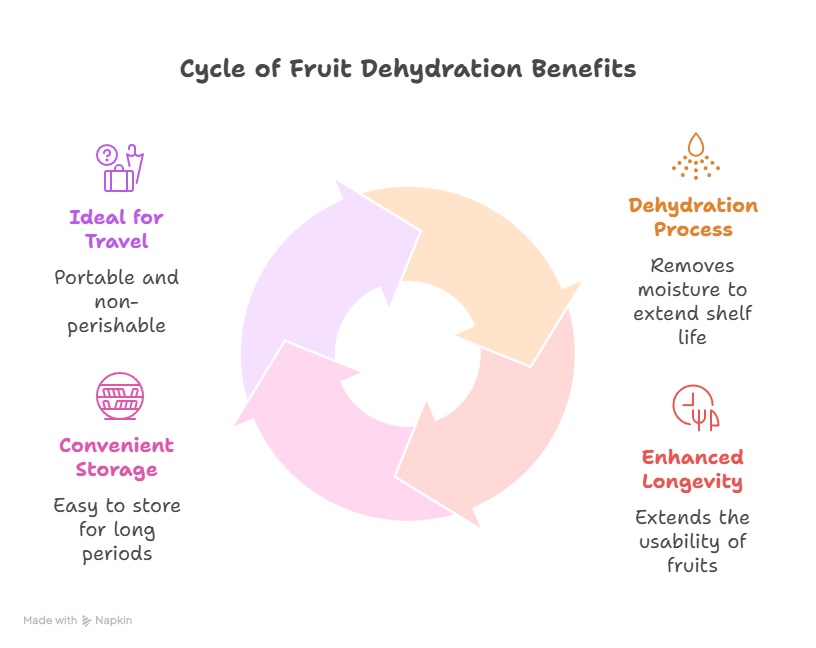
Long Shelf Life: Dehydration significantly extends the shelf life of fruits, making them a convenient option for long-term storage and travel.
Portability: Dehydrated fruits are lightweight and compact, making them easy to carry and enjoy as a snack on the go.
Concentrated Flavor: The drying process intensifies the natural flavors of fruits, resulting in a more intense and satisfying taste.
Nutrient Retention: Dehydrated fruits retain a significant portion of their vitamins, minerals, and fiber, making them a nutritious snack option.
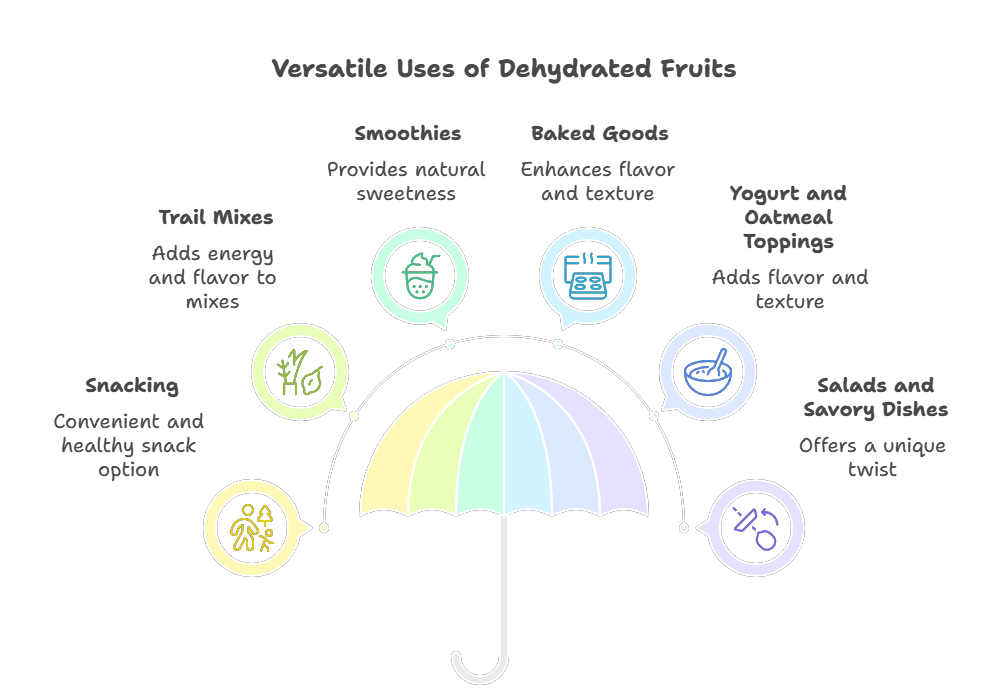
Versatility: Dehydrated fruits can be used in a variety of ways, including as a snack, in trail mixes, in baked goods, and as a topping for yogurt or cereal.

Uses of Dehydrated Fruits
Dehydrated fruits are incredibly versatile and can be incorporated into various culinary applications:
Snacking: They are a convenient and healthy snack option, especially for hiking, camping, or traveling.
Trail Mixes: They are a common ingredient in trail mixes, providing a source of energy and nutrients.
Baking: They can be added to muffins, breads, cookies, and other baked goods to add flavor and texture.
Cereals and Yogurt: They make a delicious and nutritious topping for cereals and yogurt.
Salads: They can be added to salads for a touch of sweetness and chewiness.
Reconstitution: They can be rehydrated by soaking them in water or juice, restoring them to a more plump and juicy state.
Storage of Dehydrated Fruits
Proper storage is essential to maintain the quality and shelf life of dehydrated fruits:
Airtight Containers: Store dehydrated fruits in airtight containers, such as glass jars or resealable plastic bags, to prevent moisture absorption.
Cool, Dark Place: Keep the containers in a cool, dark, and dry place, away from direct sunlight and heat.
Refrigeration or Freezing: For longer storage, dehydrated fruits can be refrigerated or frozen. This will help to preserve their flavor and prevent spoilage.
Check for Spoilage: Regularly check the dehydrated fruits for signs of spoilage, such as mold, discoloration, or an off odor. Discard any fruits that show signs of spoilage.
In conclusion, dehydrated fruits are a convenient, nutritious, and versatile food option that offers a long shelf life and concentrated flavor. By understanding the dehydration process, nutritional aspects, benefits, uses, and storage guidelines, individuals can make informed choices about incorporating dehydrated fruits into their diet.
DISCLAIMER:Dr. Mohammed Abdul Azeem Siddiqui, MBBS
Registered Medical Practitioner (Reg. No. 39739)
With over 30 years of dedicated clinical experience, Dr. Siddiqui has built his career around one clear mission: making quality healthcare affordable, preventive, and accessible.
He is deeply passionate about:
- Early disease diagnosis – empowering patients with timely detection and reducing complications.
- Preventive healthcare – guiding individuals and families towards healthier, longer lives through lifestyle interventions and screenings.
- Affordable treatments – ensuring cost-effective, evidence-based medical solutions that reach people from all walks of life.
Through his blog, Dr. Siddiqui shares practical health insights, early warning signs, and preventive strategies that readers can trust. Every article is rooted in evidence-based medicine and enriched by decades of hands-on clinical practice.
Contact us on: powerofprevention@outlook.com
📌 Disclaimer: The content in this blog is for educational purposes only and should not replace personalized medical consultation. For specific health concerns, please consult your physician.
**********This post contains affiliate links. If you purchase through them, I may earn a small commission at no extra cost to you. Thanks for supporting the blog!***************************************************************