 ratminers.in
Discover the best foods to support brain health and memory in Frontotemporal Dementia. Learn how omega-3 rich fish, berries, nuts, and leafy greens can slow decline and boost cognitive function naturally.
Frontotemporal Dementia (FTD) can feel overwhelming, both for patients and caregivers. Unlike Alzheimer’s, FTD affects the brain’s frontal and temporal lobes, leading to memory issues, language difficulties, and personality changes. While there’s no cure yet, research shows that the right foods can play a powerful role in protecting brain health, slowing decline, and boosting quality of life.
In this article, let’s explore the best brain-boosting foods that nourish your neurons, improve memory, and support everyday mental function.
🥦 1. Omega-3 Rich Fish – The Brain’s Best Friend
Fatty fish like salmon, sardines, and mackerel are loaded with omega-3 fatty acids (DHA & EPA)—the building blocks of healthy brain cells. These essential fats:
- Reduce inflammation in brain tissues.
- Improve communication between neurons.
- Support memory and emotional stability.
👉 Aim for 2–3 servings per week for maximum benefit.
🥑 2. Avocados – Healthy Fats for Sharp Thinking
Avocados are rich in monounsaturated fats, which improve blood flow to the brain. Better circulation means more oxygen and nutrients reach your neurons, fueling focus and memory. They also contain vitamin E, a powerful antioxidant that shields brain cells from damage.
🫐 3. Berries – Natural Memory Protectors
Blueberries, blackberries, and strawberries are packed with flavonoids, plant compounds that:
- Strengthen brain connections.
- Enhance short-term memory.
- Protect against age-related cognitive decline.
Researchers often call them “brain berries” for a reason!
🌰 4. Nuts & Seeds – Tiny Powerhouses for Brain Health
Walnuts, almonds, flaxseeds, and chia seeds provide:
- Omega-3 fatty acids for brain structure.
- Vitamin E for slowing memory decline.
- Magnesium & selenium for calming the nervous system.
A handful a day can make a huge difference.
🥬 5. Leafy Greens – Fuel for Cognitive Function
Spinach, kale, and broccoli are loaded with vitamins K, C, and folate, which help slow cognitive aging. Folate, in particular, is crucial for neurotransmitter function—the brain’s way of sending signals.
☕ 6. Green Tea & Coffee – Gentle Cognitive Boosters
In moderation, green tea and coffee provide caffeine and antioxidants that sharpen focus and protect neurons. L-theanine in green tea also promotes calm alertness—great for managing stress in dementia care.
🍫 7. Dark Chocolate – A Sweet Brain Treat
High-cocoa dark chocolate contains flavanols that improve brain blood flow and memory. Plus, it boosts mood by stimulating endorphins—something caregivers and patients both need.
🧠 Bonus: Lifestyle Add-ons
- Stay Hydrated – Even mild dehydration can cloud memory.
- Regular Exercise – Boosts oxygen supply to the brain.
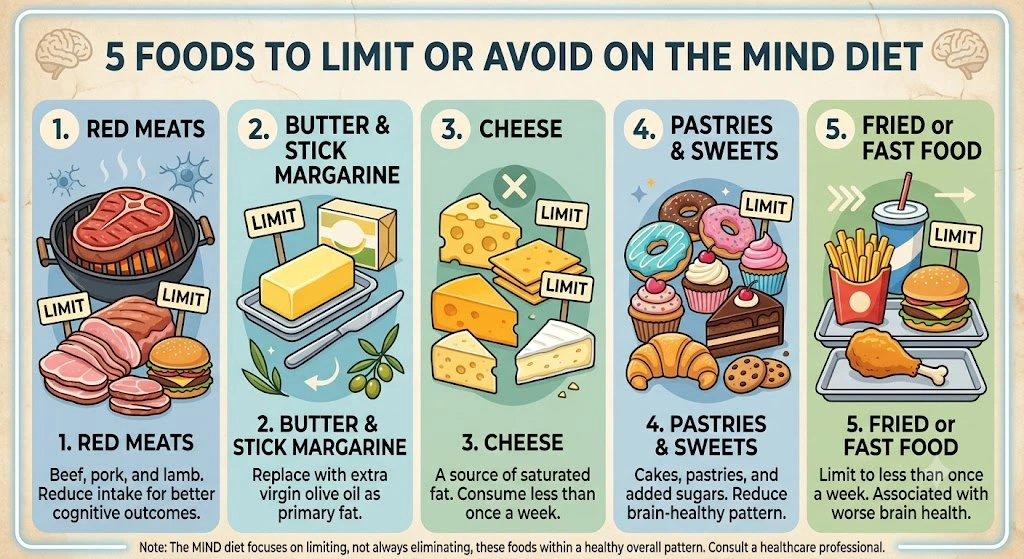
- Mindful Eating – Avoid processed foods, excess sugar, and trans fats.
🌟 Final Word
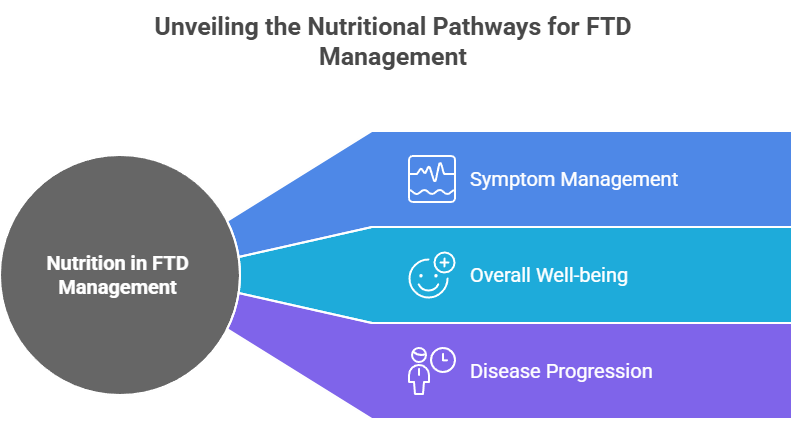
While diet alone cannot cure frontotemporal dementia, smart food choices can slow down decline, support memory, and improve overall brain health. Think of these foods as daily medicine for your mind.
By embracing the power of prevention through nutrition, families can give their loved ones the best chance at maintaining independence and dignity for longer.
Disclaimer:
Dr. Mohammed Abdul Azeem Siddiqui, MBBS
Registered Medical Practitioner (Reg. No. 39739)
With over 30 years of dedicated clinical experience, Dr. Siddiqui has built his career around one clear mission: making quality healthcare affordable, preventive, and accessible.
He is deeply passionate about:
- Early disease diagnosis – empowering patients with timely detection and reducing complications.
- Preventive healthcare – guiding individuals and families towards healthier, longer lives through lifestyle interventions and screenings.
- Affordable treatments – ensuring cost-effective, evidence-based medical solutions that reach people from all walks of life.
Through his blog, Dr. Siddiqui shares practical health insights, early warning signs, and preventive strategies that readers can trust. Every article is rooted in evidence-based medicine and enriched by decades of hands-on clinical practice.
Contact us on: powerofprevention@outlook.com
📌 Disclaimer: The content in this blog is for educational purposes only and should not replace personalized medical consultation. For specific health concerns, please consult your physician.
**********This post contains affiliate links. If you purchase through them, I may earn a small commission at no extra cost to you. Thanks for supporting the blog!***************************************************************