 ratminers.in
Discover the numerous advantages of a non-vegetarian diet, from its rich protein content to its ability to provide essential vitamins and minerals. Non-vegetarian diets offer a wide variety of foods, including meats, fish, and poultry, which can help prevent nutrient deficiencies and promote overall health. These diets are also often more satiating, making it easier to control hunger and maintain a healthy weight. Additionally, non-vegetarian diets can be beneficial for muscle growth and repair, as well as supporting immune function. Explore the many benefits of incorporating non-vegetarian foods into your diet and discover how they can contribute to a balanced and nutritious eating plan.
In various cultures and societies around the world, the consumption of animal meat has been a longstanding practice with deep-rooted cultural, nutritional, and historical significance. Permission to eat animal meat is often influenced by a combination of factors, including religious beliefs, nutritional needs, and culinary traditions. In this article, we’ll delve into the reasons why animal meat is permitted to be eaten, examining the diverse perspectives that shape this dietary practice.

- Cultural and Culinary Traditions: One of the primary reasons why animal meat is permitted to be eaten is due to cultural and culinary traditions. Many cultures have a rich history of meat consumption, often incorporating it into traditional dishes and celebrations. For example, in countries like Argentina, Brazil, and the United States, meat plays a central role in cuisine, with barbecue and steak being popular dishes.
- Nutritional Value: Animal meat is a rich source of essential nutrients, including protein, iron, zinc, and vitamin B12.
- These nutrients play crucial roles in supporting overall health, including muscle function, red blood cell production, and immune system health. For populations with limited access to other sources of these nutrients, animal meat can be an important dietary component.
- Historical Practices: Historically, the consumption of animal meat has been a part of human diets for thousands of years. Early human societies relied on hunting animals for food as a means of survival. Over time, this practice evolved into domestication and livestock farming, leading to the widespread availability of animal meat as a food source for Benefits of a Non-Vegetarian Diet
- Religious and Cultural Beliefs: In many cultures, the permissibility of eating animal meat is influenced by religious beliefs and cultural practices. For example, in Islam and Judaism, there are dietary laws (halal and kosher, respectively) that dictate the proper methods of animal slaughter and preparation. These laws are rooted in religious teachings and are followed by adherents of these faiths for Benefits of a Non-Vegetarian Diet
- Environmental and Ethical Considerations: While the consumption of animal meat is permitted in many cultures, there is growing awareness of the environmental and ethical implications of meat production. Concerns about animal welfare, deforestation, and greenhouse gas emissions have led some individuals and communities to adopt plant-based or vegetarian diets as alternatives to meat consumption.
In conclusion, the permissibility of eating animal meat is influenced by a complex interplay of cultural, nutritional, historical, and religious factors. While meat consumption has been a longstanding practice in many societies, it is important to consider the ethical and environmental implications of this dietary choice. Ultimately, the decision to eat animal meat is a personal one that is influenced by individual beliefs, values, and dietary preferences.

Evolutionary Perspective: From an evolutionary standpoint, the consumption of animal meat has played a significant role in the development of the human species. Some researchers argue that the high energy content and nutrient density of animal meat were crucial factors in the evolution of larger brain sizes in early humans. The ability to hunt and consume animal meat may have provided early humans with the energy and nutrients needed for brain development as Benefits of a Non-Vegetarian Diet
- Economic and Practical Considerations: In many societies, the consumption of animal meat is driven by economic and practical considerations. Animal husbandry and meat production can be an important source of income and livelihood for communities around the world. Additionally, in regions where plant-based foods are less abundant or more costly to produce, animal meat may be a more accessible and cost-effective source of nutrition.
- Social and Cultural Significance: The consumption of animal meat often carries social and cultural significance, playing a role in social gatherings, rituals, and celebrations. Meat dishes are often associated with special occasions and are used to symbolize hospitality, generosity, and prosperity in many cultures. In some societies, certain types of meat are considered delicacies and are reserved for special events or honored guests.
- Personal Preferences and Taste: Ultimately, the decision to eat animal meat is often influenced by personal preferences and taste preferences. Some individuals may simply enjoy the taste and texture of meat, while others may prefer plant-based alternatives for ethical, environmental, or health reasons. The diversity of dietary preferences and choices reflects the complex interplay of cultural, social, economic, and personal factors that shape our food habits and choices.
In conclusion, the permissibility of eating animal meat is a multifaceted issue that is influenced by a variety of factors, including cultural traditions, nutritional considerations, historical practices, religious beliefs, and personal preferences. While meat consumption has been a longstanding practice in many societies, it is important to consider the ethical, environmental, and health implications of this dietary choice. By understanding the diverse perspectives that shape our attitudes towards meat consumption, we can make more informed decisions about our diets and food choices.
Sustainability and Environmental Impact: The environmental impact of meat production is a growing concern worldwide. Livestock farming contributes to deforestation, greenhouse gas emissions, and water pollution. As a result, there is a growing emphasis on sustainable meat production practices, such as grass-fed and pasture-raised livestock, as well as reducing meat consumption overall.
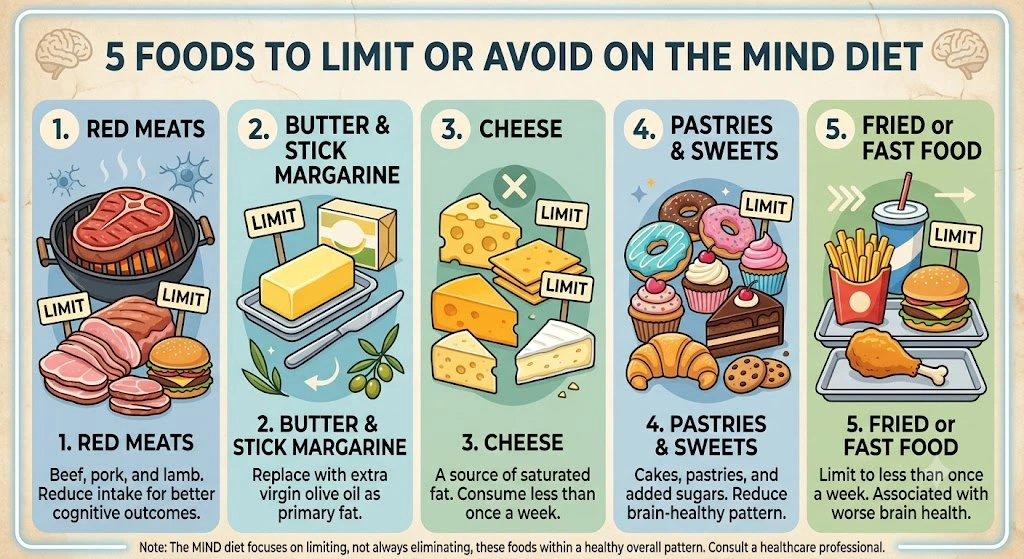
- Health Considerations: While animal meat can be a valuable source of nutrients, particularly protein and certain vitamins and minerals, excessive consumption of red and processed meats has been linked to an increased risk of various health problems, including heart disease, stroke, and certain types of cancer. It’s important to consume meat as part of a balanced diet and to choose lean cuts of meat whenever possible.
- Ethical and Animal Welfare Concerns: For many people, ethical considerations play a significant role in their decision to consume animal meat. Concerns about animal welfare, including the treatment of animals in factory farming operations, have led some individuals to adopt vegetarian or vegan diets as a way to reduce harm to animals.
- Global Food Security: The demand for meat is expected to increase as the global population grows, posing challenges for food security and sustainability. Finding ways to produce meat more efficiently and sustainably, as well as promoting plant-based alternatives, will be important for addressing these challenges.
In conclusion, the permissibility of eating animal meat is a complex issue influenced by a variety of factors, including cultural traditions, nutritional needs, environmental considerations, and ethical concerns. While meat can be a valuable source of nutrients, it’s important to consider the broader implications of meat production and consumption on our health, the environment, and animal welfare. By making informed and mindful choices about our diets, we can promote sustainability, health, and ethical eating practices.
- Future Trends and Innovations: Looking ahead, there are several trends and innovations that could shape the future of meat consumption. Lab-grown meat, also known as cultured or synthetic meat, is one such innovation that has the potential to revolutionize the meat industry. This technology involves growing muscle tissue from animal cells in a laboratory setting without the need to raise and slaughter animals. Lab-grown meat has the potential to address many of the ethical and environmental concerns associated with traditional meat production, although it is still in the early stages of development.
- Education and Awareness: Education and awareness about the impact of meat consumption on health, the environment, and animal welfare will continue to play a crucial role in shaping dietary choices. As people become more informed about these issues, they may choose to reduce their meat consumption or switch to plant-based alternatives.
- Conclusion: In conclusion, the permissibility of eating animal meat is a complex and evolving issue that is influenced by a variety of factors. While meat has long been a staple of many diets around the world, there is growing recognition of the need to consider the ethical, environmental, and health implications of meat consumption. By exploring alternative protein sources, adopting plant-based diets, and supporting sustainable meat production practices, individuals can contribute to a more ethical, sustainable, and healthy food system in knowing Benefits of a Non-Vegetarian Diet .
Introduction: The topic of eating meat raises complex ethical questions that reflect deeply held beliefs and values. While some argue that consuming meat is morally wrong due to concerns about animal welfare and environmental impact, others believe that ethically sourced meat can be part of a responsible and sustainable diet. In this article, we’ll explore the ethical arguments for eating meat, considering various perspectives and the implications for individuals and society.
- Respect for Animal Welfare: One ethical argument for eating meat is based on the idea of respecting animal welfare. Proponents of this view argue that it is possible to raise animals humanely and with respect for their well-being. They believe that animals can be raised in environments where they are free to express natural behaviors, such as grazing or roaming, and that their slaughter can be conducted in a way that minimizes pain and distress.
- Utilitarian Considerations: Some ethicists argue that the consumption of meat can be justified on utilitarian grounds. They suggest that if the overall benefit to human welfare, such as nutrition and enjoyment of food, outweighs the harm done to animals, then eating meat can be considered ethical. This perspective weighs the interests of humans and animals and seeks to maximize overall well-being.
- Cultural and Traditional Practices: In many cultures, the consumption of meat is deeply rooted in tradition and plays a significant role in cultural practices and identity. For these communities, eating meat is not just about sustenance but also about maintaining cultural heritage and social cohesion. The ethical argument here is that respecting cultural traditions and practices is important and can justify the consumption of meat.
- Environmental Considerations: Believe it or not, there are ethical arguments for eating meat that revolve around environmental considerations. Some argue that well-managed grazing animals can play a beneficial role in sustainable agriculture and land management. They argue that these animals can help restore degraded ecosystems, sequester carbon in the soil, and contribute to biodiversity.
- Personal Choice and Autonomy: Another ethical argument for eating meat is based on the idea of personal choice and autonomy. Proponents of this view argue that individuals should have the freedom to make their own dietary choices based on their preferences, beliefs, and values. They believe that as long as meat consumption is done ethically and responsibly, it is a valid choice.
Conclusion: The ethical arguments for eating meat are complex and multifaceted, reflecting diverse perspectives on animal welfare, environmental sustainability, cultural practices, and personal autonomy. While some argue that eating meat is inherently wrong, others believe that ethically sourced meat can be part of a responsible and sustainable diet. Ultimately, the decision to eat meat is a personal one that should be based on careful consideration of these ethical arguments and their implications.
A non-vegetarian diet includes animal products such as meat, poultry, fish, and eggs. While vegetarian diets are popular for their health and environmental benefits, a non-vegetarian diet offers unique advantages that can contribute to overall health and well-being. In this article, we’ll explore the advantages of incorporating non-vegetarian foods into your diet.
- Rich in Protein: Non-vegetarian foods are excellent sources of high-quality protein. Protein is essential for building and repairing tissues, supporting immune function, and maintaining muscle mass. Meat, poultry, fish, and eggs are complete proteins, meaning they provide all the essential amino acids needed by the body.
- Nutrient-Dense: Non-vegetarian foods are rich in essential nutrients such as iron, zinc, vitamin B12, and omega-3 fatty acids. Iron is crucial for preventing anemia, zinc supports immune function and wound healing, vitamin B12 is essential for nerve function and red blood cell production, and omega-3 fatty acids are important for heart and brain health.
- Improved Muscle Mass and Strength: The high protein content in non-vegetarian foods can help improve muscle mass and strength. This is especially beneficial for individuals who are physically active or looking to build muscle.
- Better Nutrient Absorption: Some nutrients, such as iron and zinc, are more readily absorbed from animal sources compared to plant sources. Including non-vegetarian foods in your diet can help ensure optimal absorption of these nutrients.
- Satiety and Weight Management: Protein-rich non-vegetarian foods can help increase satiety, making you feel fuller for longer periods of time. This can be beneficial for weight management by reducing overall calorie intake and preventing overeating.
- Source of Creatine: Creatine is a compound found in animal products that plays a key role in energy production, particularly during high-intensity exercise. Supplementing with creatine has been shown to improve muscle strength and performance in various athletic activities.
- Convenience and Versatility: Non-vegetarian foods are widely available and can be prepared in various ways, making them convenient and versatile options for meals. They can be grilled, roasted, stir-fried, or added to soups and stews for added flavor and nutrition.
Conclusion: While vegetarian diets have their benefits, a non-vegetarian diet can provide essential nutrients that may be lacking in a plant-based diet. Including a variety of non-vegetarian foods in your diet can help ensure you’re getting the nutrients you need for optimal health and well-being. As with any diet, it’s important to focus on balance and moderation to reap the full benefits of a non-vegetarian diet.
Cognitive Function: Certain nutrients found in non-vegetarian foods, such as omega-3 fatty acids and vitamin B12, are important for brain health and cognitive function. Including these foods in your diet may help support memory, concentration, and overall cognitive performance.
- Improved Mood: Non-vegetarian foods contain nutrients that are associated with improved mood and mental well-being. For example, omega-3 fatty acids have been linked to a reduced risk of depression and anxiety.
- Cultural and Social Significance: In many cultures, non-vegetarian foods play a significant role in traditional cuisines and social gatherings. Enjoying these foods can be a way to connect with cultural heritage and share meals with family and friends.
- Sustainability Considerations: While vegetarian diets are often promoted for their environmental benefits, it’s worth noting that not all non-vegetarian foods have the same environmental impact. Sustainable practices, such as choosing locally sourced and ethically raised animal products, can help mitigate environmental concerns associated with non-vegetarian diets.
- Personal Preference and Dietary Needs: Ultimately, the decision to include non-vegetarian foods in your diet is a personal one based on individual preferences, dietary needs, and ethical considerations. It’s important to listen to your body and make choices that align with your values and goals.
In conclusion, a non-vegetarian diet can offer a range of health benefits, including protein-rich foods, essential nutrients, and potential advantages for muscle mass, weight management, cognitive function, and mood. However, it’s essential to choose a balanced diet that meets your nutritional needs and supports your overall health and well-being. Consulting with a healthcare provider or registered dietitian can help you create a personalized diet plan that works best for you.
- Environmental Considerations: While non-vegetarian diets can be nutritious and satisfying, they can also have a significant environmental impact. The production of animal products, particularly meat, requires more resources, such as water, land, and energy, compared to plant-based foods. Additionally, livestock farming contributes to greenhouse gas emissions and deforestation.
- Sustainable Choices: To minimize the environmental impact of a non-vegetarian diet, consider choosing sustainably sourced animal products. Look for labels indicating organic, grass-fed, or free-range options, as these tend to have lower environmental footprints. Eating a variety of foods, including plant-based options, can also help reduce the overall environmental impact of your diet.
- Ethical Considerations: For many people, ethical concerns play a significant role in their dietary choices. Some may choose to avoid animal products altogether due to concerns about animal welfare and the treatment of animals in the food industry. Others may opt for products from sources that prioritize animal welfare and sustainable farming practices.
- Personalized Approach: Ultimately, the decision to include non-vegetarian foods in your diet should be based on your individual health goals, dietary preferences, and ethical beliefs. It’s important to listen to your body and make choices that align with your values and support your overall well-being.
In conclusion, a non-vegetarian diet can offer many benefits, including essential nutrients, protein, and cultural significance. However, it’s important to consume these foods in moderation, choose sustainably sourced options, and consider the ethical and environmental implications of your dietary choices. By making informed decisions, you can enjoy the advantages of a non-vegetarian diet while supporting your health and the planet.
- Balanced Approach: Whether you choose a vegetarian or non-vegetarian diet, balance is key. Both diets can provide essential nutrients, and a balanced approach can help ensure you’re meeting your nutritional needs. Consider incorporating a variety of foods into your diet, including fruits, vegetables, whole grains, legumes, nuts, seeds, and, if you choose, non-vegetarian options.
- Consult a Healthcare Provider: Before making any significant changes to your diet, it’s a good idea to consult with a healthcare provider or registered dietitian. They can help you create a personalized eating plan that meets your individual nutritional needs and health goals.
- Conclusion: In summary, a non-vegetarian diet can offer several advantages, including protein-rich foods, essential nutrients, and cultural significance. However, it’s important to consume these foods in moderation, choose sustainably sourced options, and consider the ethical and environmental implications of your dietary choices. By making informed decisions and listening to your body’s needs, you can enjoy the benefits of a non-vegetarian diet while supporting your health and well-being.