 ratminers.in
H3N2 Virus (Influenza A): An Overview

Introduction
The H3N2 virus is a subtype of Influenza A, one of the most common and clinically significant causes of seasonal flu outbreaks worldwide. Known for its high mutation rate and ability to spread rapidly, H3N2 poses ongoing public health challenges. Since its emergence in humans in the late 1960s, H3N2 has been associated with multiple flu epidemics, including the 1968 “Hong Kong Flu” pandemic, which caused widespread illness and mortality. Today, it continues to be one of the dominant influenza strains affecting global populations.
🌿 Natural Ways to Improve Immunity
🥗 1. Eat a Nutrient-Rich Diet
- Vitamin C foods → citrus fruits, kiwi, guava, bell peppers
- Vitamin D → sunlight, fortified dairy, salmon, mushrooms
- Zinc → pumpkin seeds, nuts, beans, whole grains
- Protein → eggs, lean meat, lentils, soy, yogurt
- Probiotics → curd, kefir, sauerkraut, kimchi (support gut health, which is linked to immunity)
- Antioxidant-rich foods → berries, green tea, spinach, turmeric, ginger
🏋️♂️ 2. Stay Physically Active
- Moderate exercise (30–40 mins, 5 days a week) strengthens immune cells.
- Walking, yoga, cycling, or light gym workouts are all effective.
- Avoid overtraining, which can weaken immunity.
😴 3. Prioritize Quality Sleep
- Aim for 7–9 hours of sleep.
- Deep sleep helps produce infection-fighting immune cells and antibodies.
💧 4. Stay Hydrated
- Drink enough water, coconut water, or herbal teas.
- Hydration helps flush out toxins and supports mucous barriers (your first line of defense).
🧘 5. Manage Stress
- Chronic stress releases cortisol, which lowers immune function.
- Meditation, deep breathing, journaling, or spending time in nature helps.
🚭 6. Avoid Immune-Suppressing Habits
- Limit alcohol & smoking (they directly suppress immune function).
- Cut back on ultra-processed foods, refined sugar, and excessive caffeine.
💊 7. Consider Supplements (if diet is lacking)
- Vitamin D (especially if you don’t get enough sunlight)
- Vitamin C
- Zinc
- Probiotics
(Best taken after consulting a doctor or nutritionist.)
✅ Summary:
A balanced diet, good sleep, hydration, regular exercise, and stress management are the pillars of a strong immune system.
🥣 Best Foods & Drinks for Flu Recovery
- Fluids (most important)
- Water, warm broths, herbal teas, diluted fruit juices, coconut water
- Prevents dehydration (especially if you have fever or sweating)
- Warm, soothing foods
- Chicken soup or vegetable broth → helps clear congestion and provides electrolytes
- Light, easy-to-digest porridge (rice, oats, or semolina)
- Foods rich in vitamins & minerals
- Vitamin C → oranges, kiwi, strawberries, guava, bell peppers
- Zinc → pumpkin seeds, chickpeas, nuts
- Antioxidants → berries, leafy greens
- Protein for healing
- Eggs, yogurt, lentils, tofu, soft fish, lean chicken
- Immune-boosting additions
- Garlic, ginger, turmeric, honey (soothes sore throat)
🚫 Foods & Drinks to Avoid
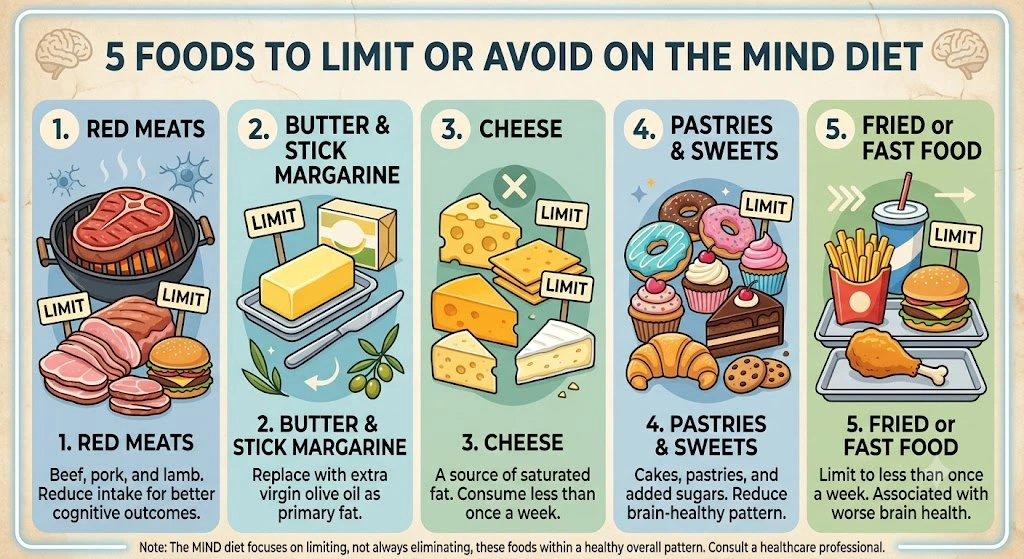
- Fried, greasy, or heavy foods → hard to digest
- Sugary foods/drinks → may suppress immunity
- Caffeinated beverages (coffee, strong tea, energy drinks) → can worsen dehydration
- Alcohol → weakens immune system
✅ General Tips
- Eat small, frequent meals instead of heavy ones.
- Stick to soft, warm, easy-to-digest foods if you have sore throat or nausea.
- Rest well and drink fluids throughout the day.
Structure and Characteristics
- Virus Type: Influenza A
- Subtype: H3N2 (H = Hemagglutinin type 3, N = Neuraminidase type 2)
- Genetic Makeup: An RNA virus with a segmented genome, which allows genetic reassortment and frequent antigenic drift.
- Transmission: Primarily through respiratory droplets, close contact, and contaminated surfaces.
The hemagglutinin (H) protein enables the virus to attach to host cells, while the neuraminidase (N) protein helps it spread by facilitating the release of new viral particles.

Symptoms of H3N2 Infection
The clinical presentation is similar to other influenza viruses but can sometimes be more severe, particularly in vulnerable groups such as children, the elderly, and those with weakened immune systems.
Common symptoms include:
- High fever and chills
- Sore throat and runny nose
- Persistent cough and chest discomfort
- Headache and muscle aches
- Fatigue and weakness
- In some cases, gastrointestinal symptoms (nausea, vomiting, diarrhea), especially in children
Severe complications may include pneumonia, bronchitis, worsening of chronic conditions (like asthma or heart disease), and secondary bacterial infections.

Epidemiology and Impact
H3N2 emerged in humans in 1968, replacing the H2N2 subtype and causing a global pandemic. Since then, it has become one of the most common seasonal influenza strains.
Key characteristics:
- Higher Morbidity in Elderly: Studies show H3N2 infections often lead to more hospitalizations and deaths compared to other flu subtypes.
- Rapid Mutation: Frequent antigenic drift makes it harder for vaccines to provide long-lasting protection.
- Seasonal Prevalence: Most active during the winter months in temperate regions, though outbreaks can occur year-round in tropical climates.
Diagnosis
Diagnosis can be clinical or confirmed with laboratory tests:
- Rapid Influenza Diagnostic Tests (RIDTs) – detect viral antigens.
- RT-PCR (Reverse Transcription Polymerase Chain Reaction) – the most accurate method for identifying specific subtypes like H3N2.
- Viral Culture – less common in routine practice but useful for research and vaccine development.
Treatment
Treatment of H3N2 infection involves a combination of supportive care and antiviral therapy.
- Antiviral Medications
- Oseltamivir (Tamiflu)
- Zanamivir (Relenza)
- Peramivir (Rapivab)
These are most effective when started within 48 hours of symptom onset.
- Supportive Care
- Rest, hydration, and fever management with acetaminophen or ibuprofen.
- Monitoring for complications in high-risk patients.
Prevention
Since H3N2 evolves rapidly, prevention relies heavily on public health measures and annual vaccination.
- Seasonal Influenza Vaccination: Updated yearly to match circulating strains. Effectiveness may vary but still reduces severity and complications.
- Hygiene Practices: Frequent handwashing, mask use, covering coughs and sneezes, and avoiding close contact with infected individuals.
- Public Health Measures: Surveillance systems track H3N2 spread to guide vaccine composition and outbreak responses.
Challenges
- Vaccine Mismatch: Rapid mutations often lead to mismatches between circulating H3N2 strains and seasonal vaccines.
- Severe Impact on Vulnerable Populations: Elderly individuals and those with chronic diseases face higher risks of hospitalization and mortality.
- Pandemic Potential: Although seasonal, the ability of H3N2 to undergo genetic reassortment raises concern for future pandemics.
Conclusion
The H3N2 Influenza A virus remains a significant global health concern due to its high mutation rate, potential for severe illness, and impact on vulnerable populations. While seasonal flu vaccines and antivirals remain the primary defense, ongoing research into universal flu vaccines and improved surveillance systems offers hope for better prevention and control in the future.
Disclaimer:
Dr. Mohammed Abdul Azeem Siddiqui, MBBS
Registered Medical Practitioner (Reg. No. 39739)
With over 30 years of dedicated clinical experience, Dr. Siddiqui has built his career around one clear mission: making quality healthcare affordable, preventive, and accessible.
He is deeply passionate about:
- Early disease diagnosis – empowering patients with timely detection and reducing complications.
- Preventive healthcare – guiding individuals and families towards healthier, longer lives through lifestyle interventions and screenings.
- Affordable treatments – ensuring cost-effective, evidence-based medical solutions that reach people from all walks of life.
Through his blog, Dr. Siddiqui shares practical health insights, early warning signs, and preventive strategies that readers can trust. Every article is rooted in evidence-based medicine and enriched by decades of hands-on clinical practice.
Contact us on: powerofprevention@outlook.com
📌 Disclaimer: The content in this blog is for educational purposes only and should not replace personalized medical consultation. For specific health concerns, please consult your physician.
**********This post contains affiliate links. If you purchase through them, I may earn a small commission at no extra cost to you. Thanks for supporting the blog!***************************************************************